Vertical stories become a real production category
Hollywood talent is moving into microdramas: short, serialized scripted episodes designed primarily for phones. TechCrunch reported on projects tied to James Franco, Issa Rae’s Hoorae, Jesse Tyler Ferguson, Taye Diggs and a planned platform backed by Kim Kardashian and Kris Jenner.
The celebrity names attract attention, but the more important signal is the emergence of a repeatable production format. Episodes are short, narratives are engineered around rapid hooks and releases can arrive with the cadence of social content rather than conventional television.
Research firm Omdia estimates U.S. microdrama revenue could reach $1.5 billion this year, according to TechCrunch. That forecast should be treated as an estimate, yet it is large enough to explain why established producers are testing the category.
Labor rules follow the format
SAG-AFTRA now offers a Verticals Agreement for serialized vertical productions. A dedicated agreement indicates that the work no longer fits neatly into a temporary social experiment; performers, producers and distributors need terms suited to its budgets and release structure.
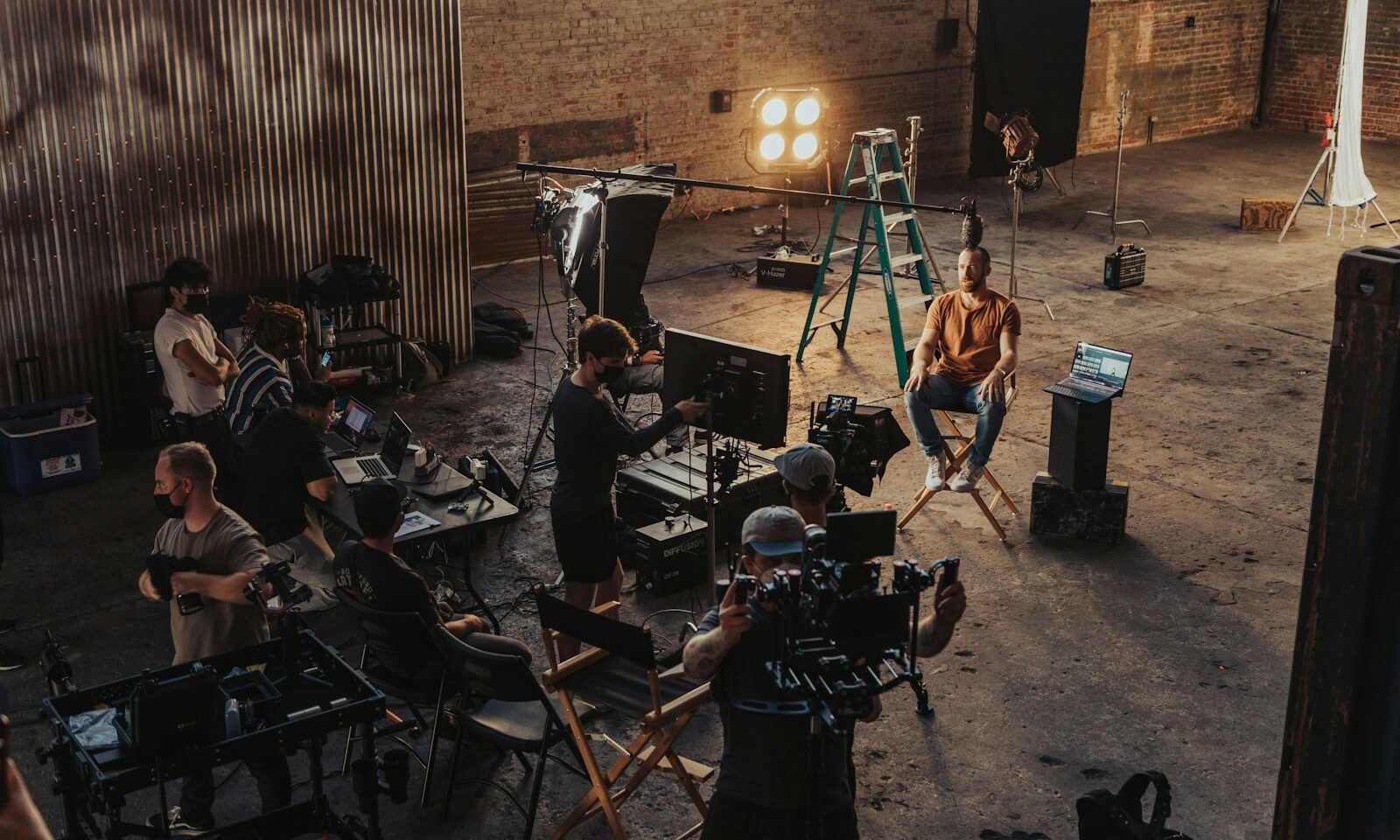
Microdramas can be cheaper than conventional series, but low cost is not the same as no cost. Professional performers, safe sets, music rights, postproduction and marketing still require planning. The format compresses schedules and episode lengths without eliminating production discipline.
For talent, the category creates more entry points. An actor or creator can appear in a serialized story that reaches a mobile-first audience without waiting for a network season. The tradeoff is fragmentation: dozens of apps may compete for attention, making durable discovery difficult.
The economics favor momentum
Microdrama apps often rely on subscriptions, advertising or payments that unlock additional episodes. Each model rewards a strong opening and frequent cliffhangers because the business depends on viewers continuing through many small units of story.
That can reshape creative choices. Writers and editors must build emotional turns faster, while marketers need to identify audiences at the level of genre and trope. A two-minute episode has less room for setup, but a long serial can accumulate meaningful viewing time.
The boom does not mean vertical drama will replace television or film. It means the phone is becoming a distinct screen with its own grammar, labor framework and revenue logic. Producers who treat it merely as a cropped version of horizontal video will miss what the market is actually building.
The format could also reshape development. A concept can be tested with a short season, audience response can arrive quickly and successful characters can travel into longer projects. That speed is attractive, but it should not become an excuse for disposable labor or careless rights management. Sustainable microdrama will need repeatable careers as well as repeatable cliffhangers.