Now
News
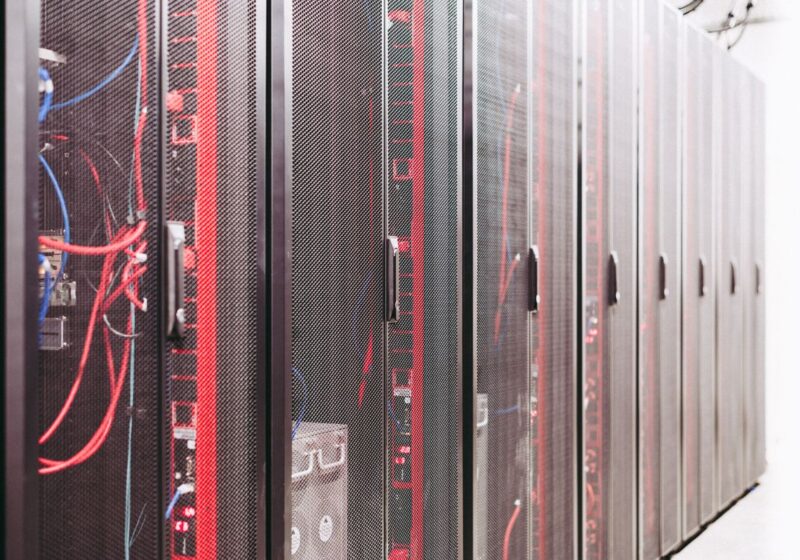
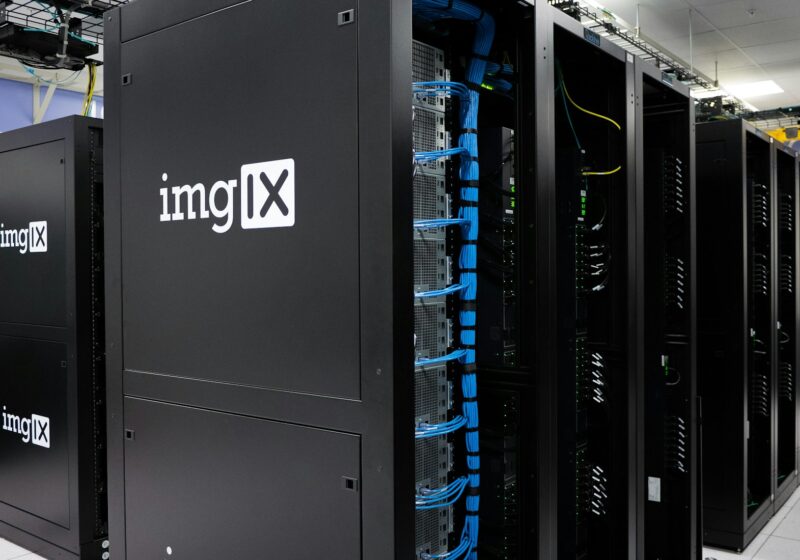
AI Infrastructure Boom Pushes Spending Into Chips, Power and Data Centers
Record semiconductor profits and a proposed $100 billion Kentucky data-center complex show how AI investment is expanding beyond models and software.
Business, technology and what comes next.
NextNow / Contributor
Reporting and analysis
Record semiconductor profits and a proposed $100 billion Kentucky data-center complex show how AI investment is expanding beyond models and software.
The requirements cover chatbot disclosures, machine-readable markers and labels for certain synthetic content across the 27-nation bloc.
Entertainment, creators and communities increasingly shape demand before consumers express purchase intent. Measuring that influence requires moving beyond last-click attribution toward incrementality, connected business data and durable value.
New workplace research suggests the biggest barrier to useful AI adoption is no longer employee willingness. It is the design of the organization around them.
Retail-media networks built their value around first-party data and closed-loop attribution. As investment climbs, brands are demanding common standards, credible incrementality and evidence that reported returns translate into genuine business growth.
Customer growth increasingly depends on shared data, coordinated workflows and clear operating accountability.
OpenAI, Anthropic, Google and Meta were called to Washington to discuss a voluntary framework for government testing of the most capable U.S. AI models.
Attribution can show where a conversion was recorded. Brands increasingly need to know which investment caused profitable growth.
Shopify has removed an approval requirement for its agentic commerce tools, giving developers direct access to product discovery and checkout infrastructure.
Enterprise agents are adding persistent context to the traditional knowledge stack, making the quality and governance of institutional memory a competitive issue.