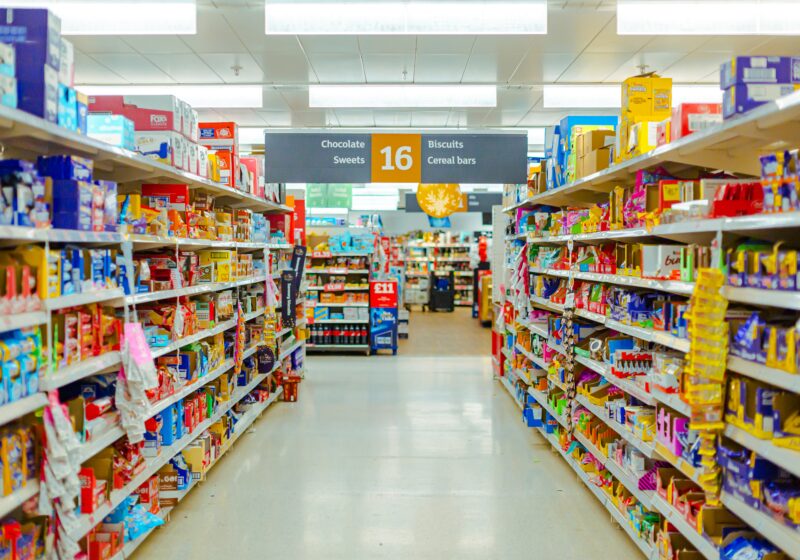
Target Pulls Offensive Halloween Costume as Shares Fall
The retailer removed an offensive children’s costume and apologized as its shares fell 3.8%, reviving questions about merchandising controls during a turnaround.

Business, technology and what comes next.
NextNow / Archive
The retailer removed an offensive children’s costume and apologized as its shares fell 3.8%, reviving questions about merchandising controls during a turnaround.
A proposed 10-year order would require Redfin to rebuild its rental advertising business while preserving a narrower listings partnership with Zillow.
Low-priced menus can generate attention, but diners are judging the full meal, experience and price—not a promotional item in isolation.
U.S. box-office revenue is running ahead of last year, but attendance remains far below 2019. The recovery is increasingly being driven by higher ticket prices, premium formats and event films rather than a broad return to moviegoing.
AI-referred shoppers are arriving with higher intent and converting better than conventional traffic. Retailers are racing to become visible inside ChatGPT and Gemini while drawing a hard line around checkout, loyalty and customer data.
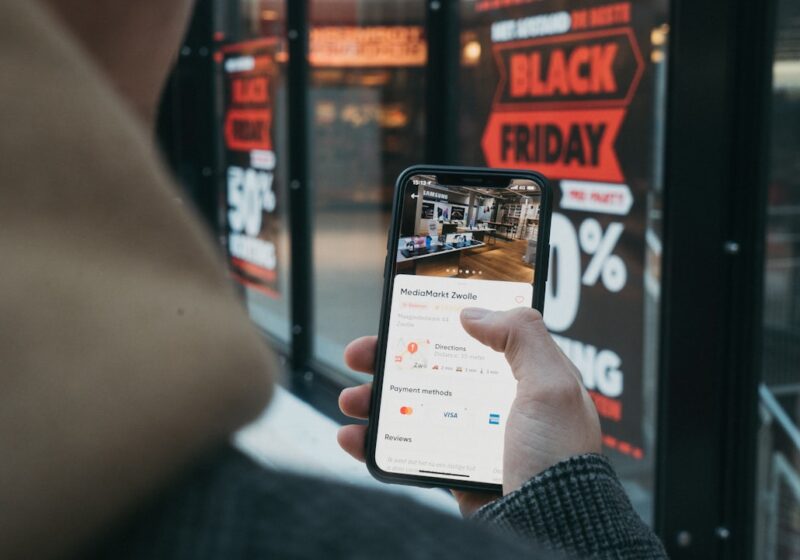
Retailers are extending media networks into fuel pumps, store audio, mobile checkout and smart carts. The bigger change is not more screens. It is the ability to connect physical-world attention to identity and purchase data.
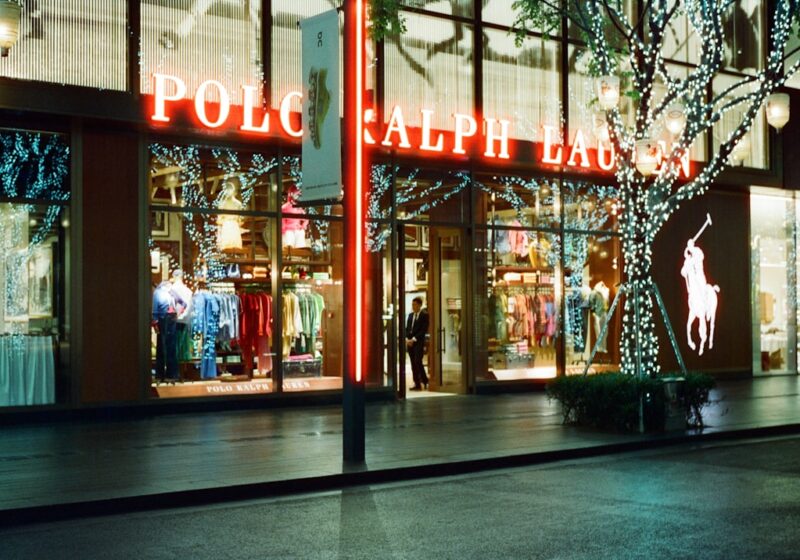
Ralph Lauren is adding younger customers while raising average prices and reducing discount exposure. Its recent growth suggests relevance does not require a heritage brand to abandon the world that made it valuable in the first place.
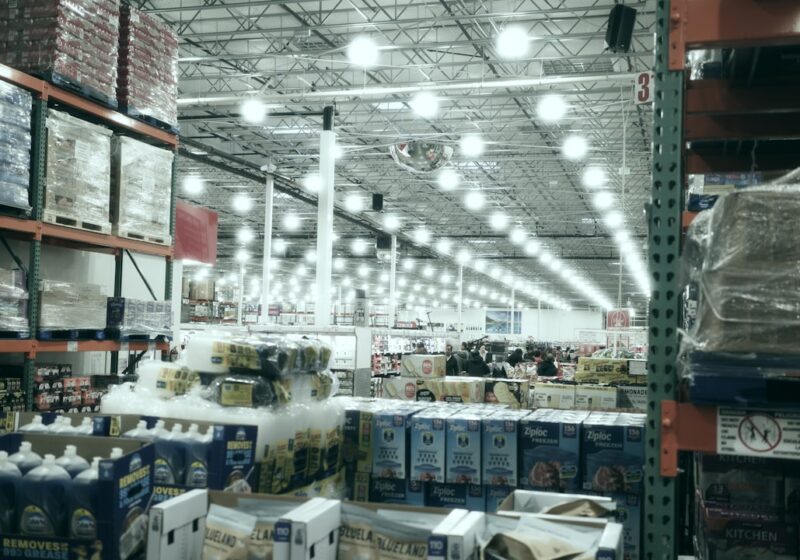
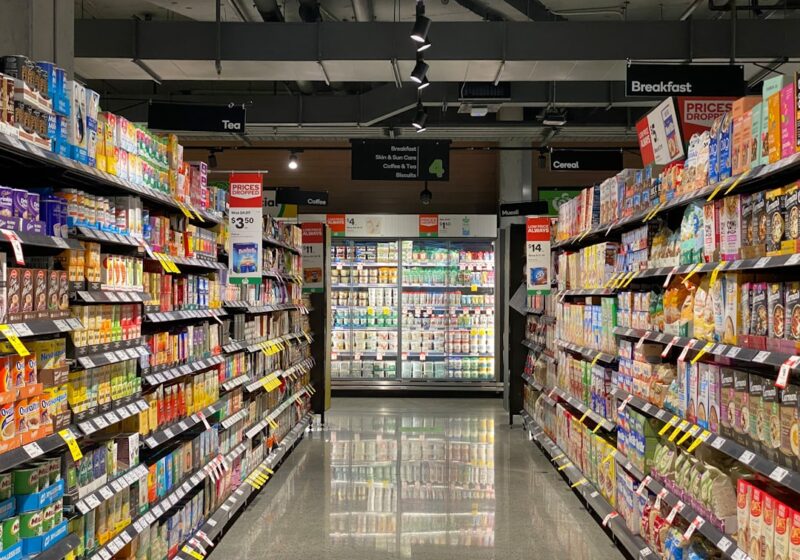
Store brands are gaining share as household budgets tighten, but current data show premium products remain resilient when consumers understand the value. For boutique food and beverage brands, the challenge is not simply price. It is giving shoppers a reason to keep the product in the basket.
An opt-in pilot will place selected Disney-focused TikTok videos in the Verts feed on Disney+ and give creators access to approved franchise assets.
Entertainment, creators and communities increasingly shape demand before consumers express purchase intent. Measuring that influence requires moving beyond last-click attribution toward incrementality, connected business data and durable value.