NextDesign
Analysis
One Palace Green Turns Provenance Into a Luxury Brand
Greenspace built the property identity from collector’s marks, architectural lineage and restored craft rather than generic real-estate luxury cues.
Business, technology and what comes next.
NextNow / Archive
Greenspace built the property identity from collector’s marks, architectural lineage and restored craft rather than generic real-estate luxury cues.
The Palm T icon is only the visible layer of a broader system meant to keep stores, screens and franchise marketing coherent as the chain expands.
Carter’s replaced its apostrophe with a shooting star and built a new campaign around children’s individuality. The harder work is carrying that promise across stores, products, creators and wholesale partners.
Project Catalyst shows how a measurable accessibility problem can reshape the visual identity, product interface and operating system behind a brand.
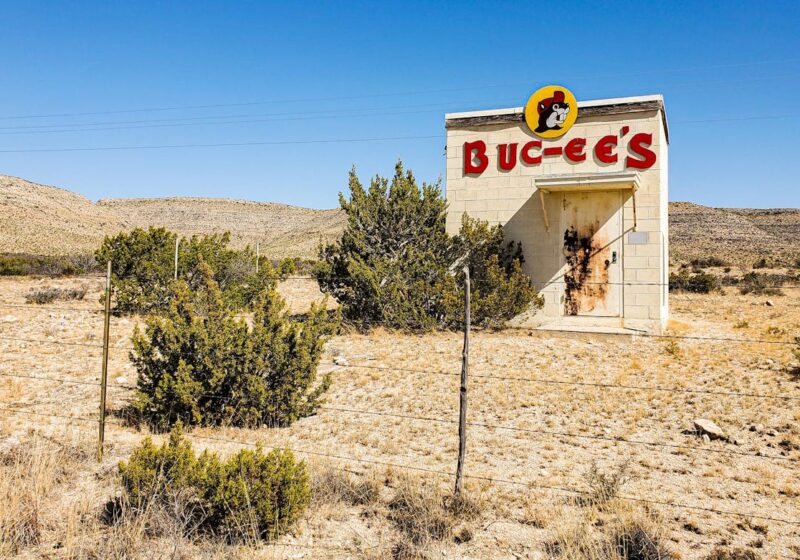
There is a difference between protecting a brand and trying to own an entire creative territory. That distinction has become increasingly difficult to ignore as Buc-ee’s, the Texas-based […]
Berlin Museum’s new identity can generate 81 logo combinations from nine typefaces. It looks like a rejection of consistency. In practice, it is a reminder that consistency comes from rules, not repetition.
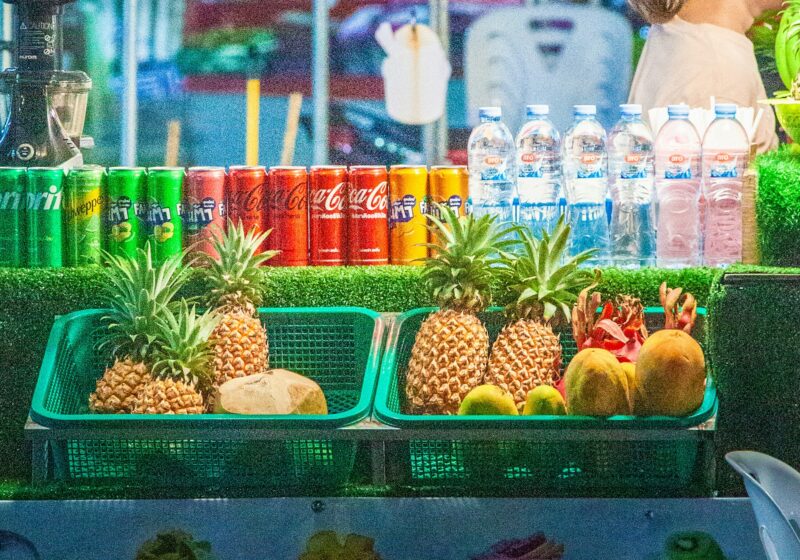
Coca-Cola’s global identity refresh keeps its most familiar assets and makes them more consistent across markets, packaging, retail and digital. For mature brands, the design challenge is not reinvention. It is making existing equity work harder.
Customers increasingly encounter a brand through the behavior of its product, service and operating systems—not only through campaigns and visual identity.