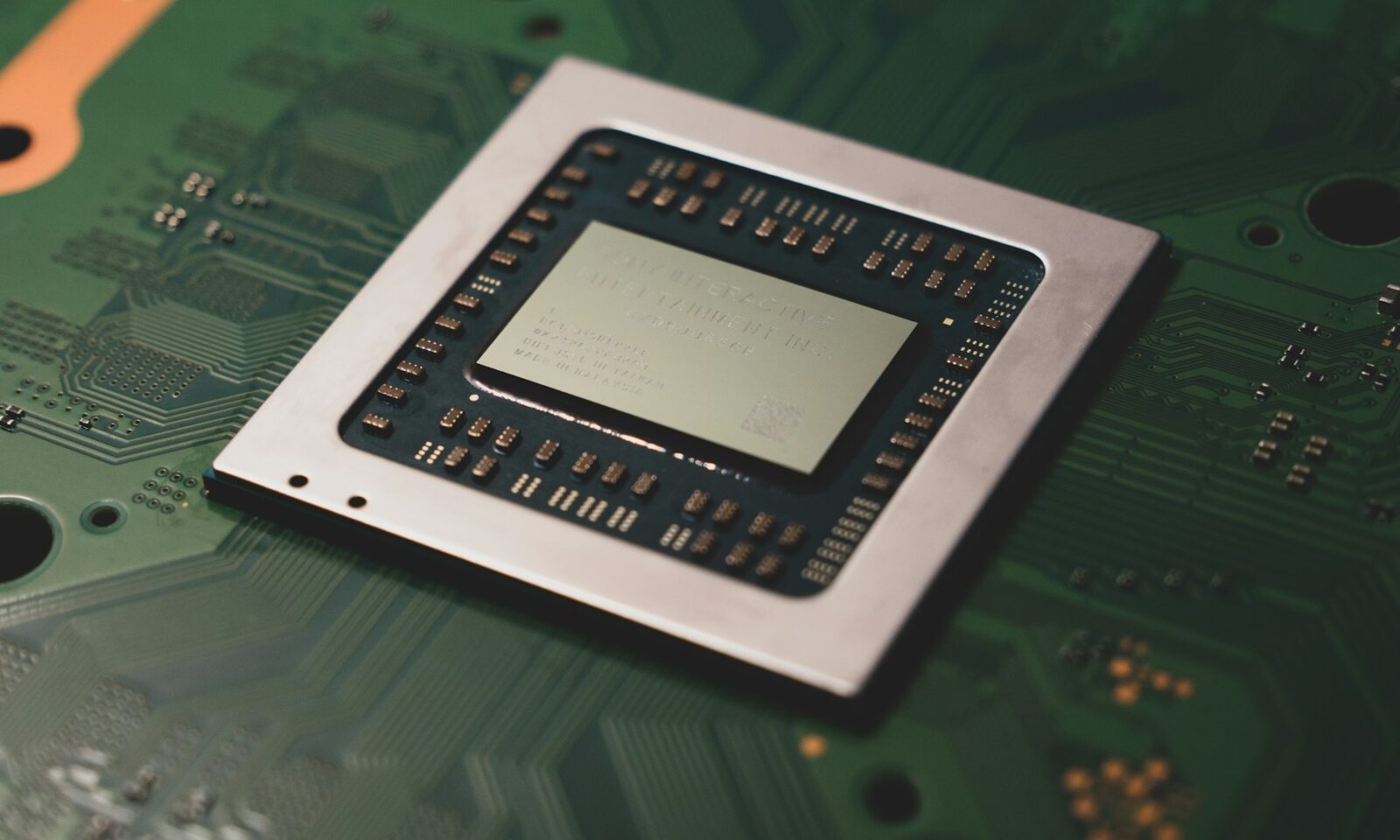
Powerlattice Technologies disclosed Oct. 30, 2026, that it had sold $86 million of equity in an offering targeting $111 million, adding financing for a semiconductor business focused on power delivery inside AI processor packages.
Rapid News Brief — The Vancouver, Washington-based company’s Form D lists $86,009,965 sold and $25,000,035 remaining. The larger offering amount is not money already raised.
The filing establishes funding, not a named round
The disclosure identifies 18 investors and gives Oct. 15 as the first sale date. It does not name the participating investors or label the financing round. Chief Executive Peng Zou signed the filing Oct. 30.
GeekWire reported the financing after reviewing the filing and said Powerlattice declined to comment. The publication also noted that the company previously reported $31 million raised when it emerged from stealth last November.
Powerlattice’s Nov. 17, 2025, announcement described a $25 million Series A jointly led by Playground Global and Celesta Capital. That earlier investor roster should not be assumed to identify participants in the newly disclosed offering.
Power delivery is the product focus
The company describes its product as a power-delivery chiplet placed inside a processor package, bringing voltage regulation closer to the computing hardware. Its pitch is to reduce energy lost while delivering power and support higher-density AI computing.
Those are company descriptions of the technology’s intended benefits. The funding disclosure does not establish a particular reduction in electricity consumption, customer deployment volume or commercial shipment schedule. Financing and measured product performance are different milestones.
Powerlattice’s earlier announcement said engineering samples were in progress for GPUs, CPUs and custom accelerators. That statement dates to November 2025 and is not evidence that those products are now shipping at scale.
For infrastructure buyers and semiconductor partners, the distinction is practical: the filing supplies a concrete financing figure, while evaluating the product still requires evidence specific to the hardware, workload and power-delivery arrangement being tested.