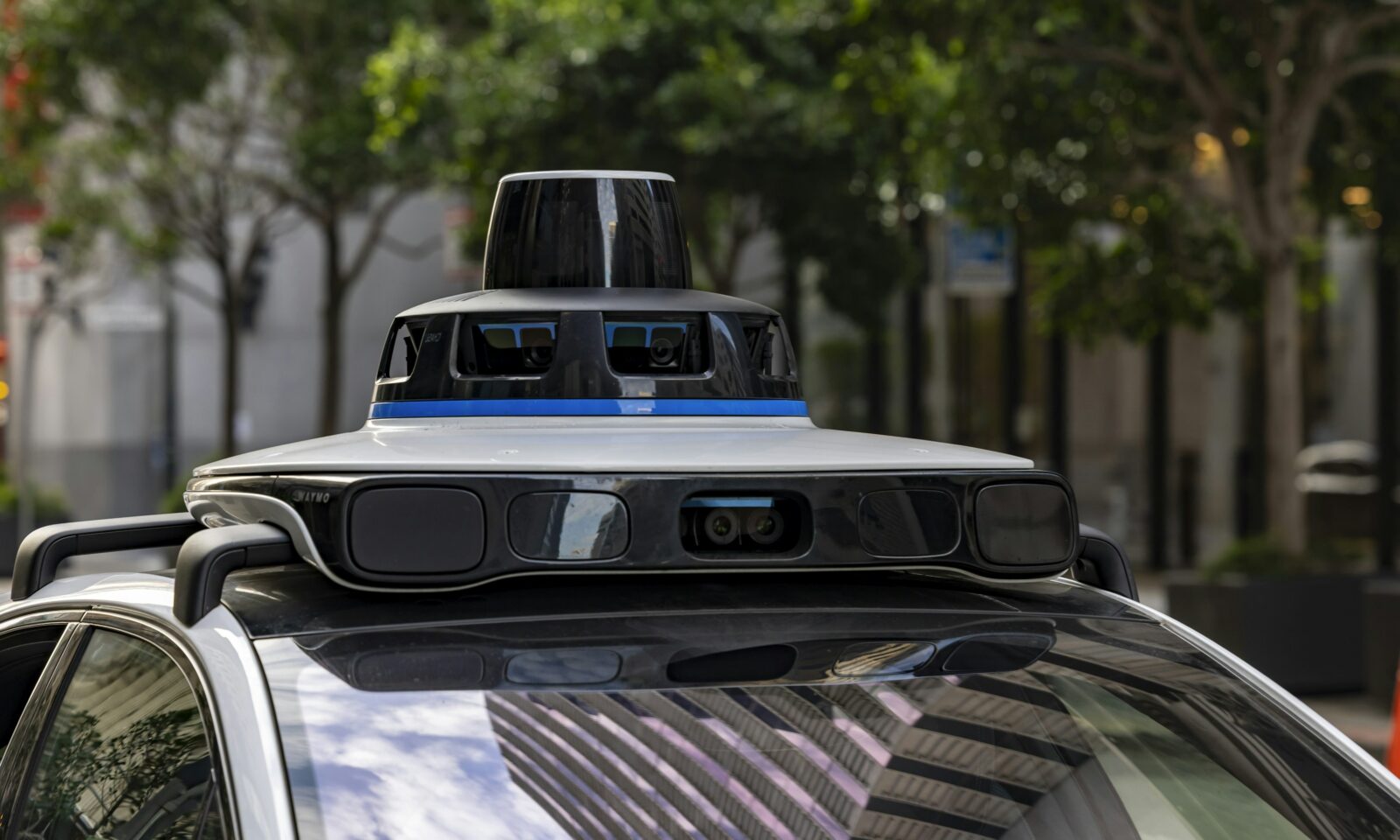
Waymo began offering fully autonomous rides to public users in Denver, San Diego and Tampa on Sept. 1, expanding the Alphabet-owned robotaxi company’s commercial footprint to 14 U.S. cities. The launch puts its driverless service into three new markets at once as competition for paying riders intensifies.
Access will expand gradually. Waymo said it is inviting riders on a rolling basis rather than opening the service immediately to everyone. Tens of thousands of people in each city have already registered interest, according to the company. Riders will book trips through the Waymo app as invitations become available.
A wider commercial footprint
The simultaneous launch is a concrete step beyond testing. Waymo had already been mapping streets and operating vehicles in the three cities before beginning public rides. Its new status means selected members of the public can now take trips without a human driver behind the wheel.
Waymo’s operating markets now include Atlanta, Austin, Dallas, Denver, Houston, Los Angeles, Miami, Nashville, Orlando, Phoenix, San Antonio, San Diego, the San Francisco Bay Area and Tampa. Some services use Waymo’s app directly, while rides in Atlanta and Austin are offered through Uber.
TechCrunch reported that Waymo’s commercial fleet now exceeds 4,000 vehicles. That scale gives the company a larger operating base from which to gather road data, refine service areas and spread the fixed costs of fleet management. It also raises the execution stakes: reliability, vehicle utilization and local response protocols become more consequential as operations move from a handful of markets to a national network.
Waymo’s newer vehicle enters two markets
Denver and San Diego will initially use Waymo’s Ojai minivan, according to TechCrunch. The vehicle, built by Zeekr and equipped with Waymo’s sixth-generation autonomous-driving system, is designed to cost less to build, operate and maintain than the Jaguar I-Pace vehicles that established the company’s service.
About 300 Ojai vehicles are currently in the fleet, TechCrunch reported. Deploying the model in new cities gives Waymo a test of whether the lower-cost platform can support geographic growth while the company works toward stronger unit economics. Tampa’s launch adds another point of competition with Tesla, which also operates a paid robotaxi service in that market.
The three-city expansion follows Waymo’s established sequence: map a market, test with safety operators, remove the human driver for controlled operations, then invite public riders before broadening access. Local rules still shape how quickly the company can charge for trips and expand its service area.
What business leaders should watch
For mobility operators, the important shift is from technical demonstration to repeated commercial deployment. Waymo is showing that it can prepare several markets in parallel and move them into paid service on the same day. The next measure is not simply the number of cities, but whether each market can build regular demand and productive fleet utilization.
For retailers, hospitality businesses and employers, a larger autonomous-ride network could gradually change how customers and workers reach commercial districts, airports and late-night jobs. Those effects will depend on local coverage, pricing and availability, which Waymo has not fully detailed for the three new markets.
The expansion also sharpens the contrast between Waymo’s sensor-heavy approach and Tesla’s camera-centered strategy. Waymo is entering the next stage with thousands of operating vehicles and a new platform built for lower costs. Tesla is trying to expand with vehicles it manufactures itself. Their ability to deliver safe, dependable rides at scale will determine whether robotaxis become a durable transportation business rather than a limited technology showcase.