Alibaba on Sept. 22 unveiled a new artificial intelligence accelerator and outlined plans for larger Qwen models and far more cloud capacity. Together, the announcements sharpen its bid to sell enterprises an integrated AI stack rather than a menu of separately sourced chips, models and infrastructure. The business question is whether Alibaba can turn that control into reliable, competitively priced computing for customers.
A chip roadmap, not a delivered fleet
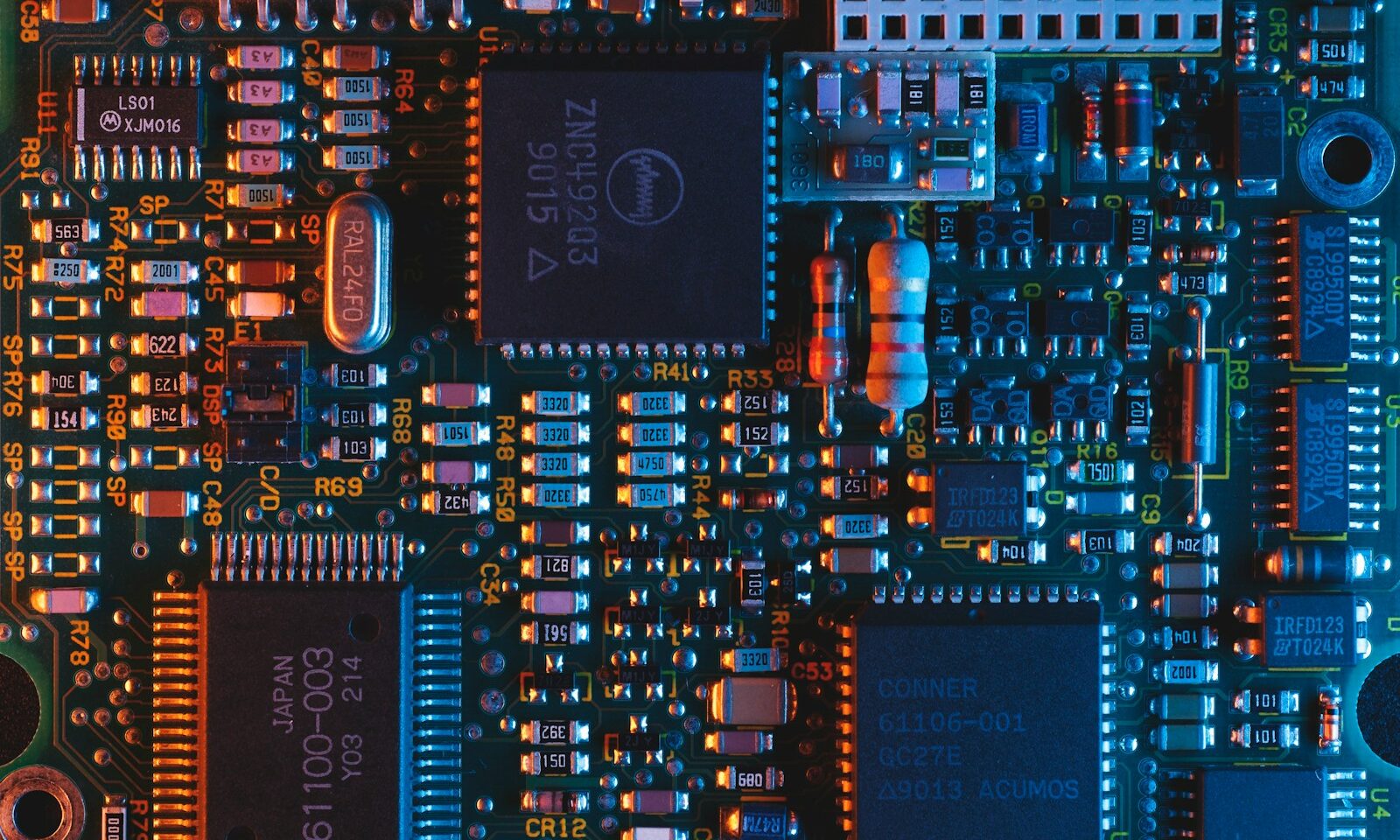
At its Apsara Conference in Hangzhou, Alibaba’s T-Head unit introduced the Zhenwu V900 for both model training and inference. In a company-issued announcement, Alibaba said the accelerator has 216 gigabytes of memory and 1,200 gigabytes per second of inter-chip bandwidth. It claimed three times the performance of the Zhenwu M890, which it introduced in May. The comparison is Alibaba’s own; it did not provide an independent, standardized benchmark in the announcement.
The V900 is scheduled for mass production and commercial release in the first quarter of 2027. Alibaba said its existing Zhenwu chips serve more than 650 customers across industries, but that figure should not be read as a V900 customer count. The company also described a server design that could support a cluster of as many as 500,000 accelerator cards. That is an architectural claim, not evidence that a cluster of that size is operating now.
The model plan is similarly forward-looking. Alibaba said Qwen 4 is in training and later Qwen 4.5 and Qwen 5 systems are planned at five trillion to 10 trillion parameters. Parameter counts describe model scale, not how well a system performs a customer’s task, how much a useful answer costs or when a model will become available. The Associated Press independently reported the chip and model announcements and noted that Alibaba already uses Zhenwu processors in its data centers.
Why the cloud layer matters
Chief Executive Eddie Wu set a target for Alibaba Cloud to operate more than 20 gigawatts of global data-center capacity by 2032. That is a target measured in power capacity, not a statement that Alibaba has built 20 gigawatts of AI compute or secured every site and electrical connection needed to reach it. The announcement did not provide a construction schedule, a capital budget for the target or customer commitments tied to that capacity.
Alibaba also presented AgentCore, a platform for building and managing business AI agents, alongside services for agent security and persistent context. In the company’s pitch, those software layers sit above its models, cloud services, networking and proprietary processors. A customer could, in principle, buy a more coordinated system with fewer handoffs among vendors. That potential operational advantage is an interpretation of the design, not a measured outcome from a disclosed customer deployment.
This vertical approach matters especially in China, where U.S. restrictions on exports of advanced AI chips have increased interest in domestic alternatives. Reuters reported the announcements in the context of Chinese companies’ efforts to build their own AI processors. Alibaba’s chip is also a commercial lever: if it can supply its own cloud fleet at an attractive cost, it may have more control over availability and pricing than a provider wholly dependent on outside accelerator vendors. The result remains conditional on manufacturing volume and real-world performance.
The test for enterprise buyers
For an executive choosing a cloud platform, the announcement creates an evaluation agenda, not a purchase verdict. The useful comparisons will be workload-level performance, cost per completed task, regional availability, security controls and the ease of moving data or applications elsewhere. Alibaba did not disclose V900 pricing or independently audited performance against competing chips. Without those figures, a threefold gain over its own prior generation cannot establish a market lead.
Customers should also separate what exists from what is promised. Existing Zhenwu deployments and Alibaba Cloud services are current operations. The V900’s commercial release, larger Qwen models and the 2032 capacity target are future milestones. The practical question is whether Alibaba can bring those pieces online together, sustain service levels and convert infrastructure spending into paying demand.
The strategic signal is clear: Alibaba wants to own more of the chain from silicon to the application an employee uses. Whether that produces a better enterprise AI platform will be decided by delivered capacity and customer economics, not the size of the roadmap.