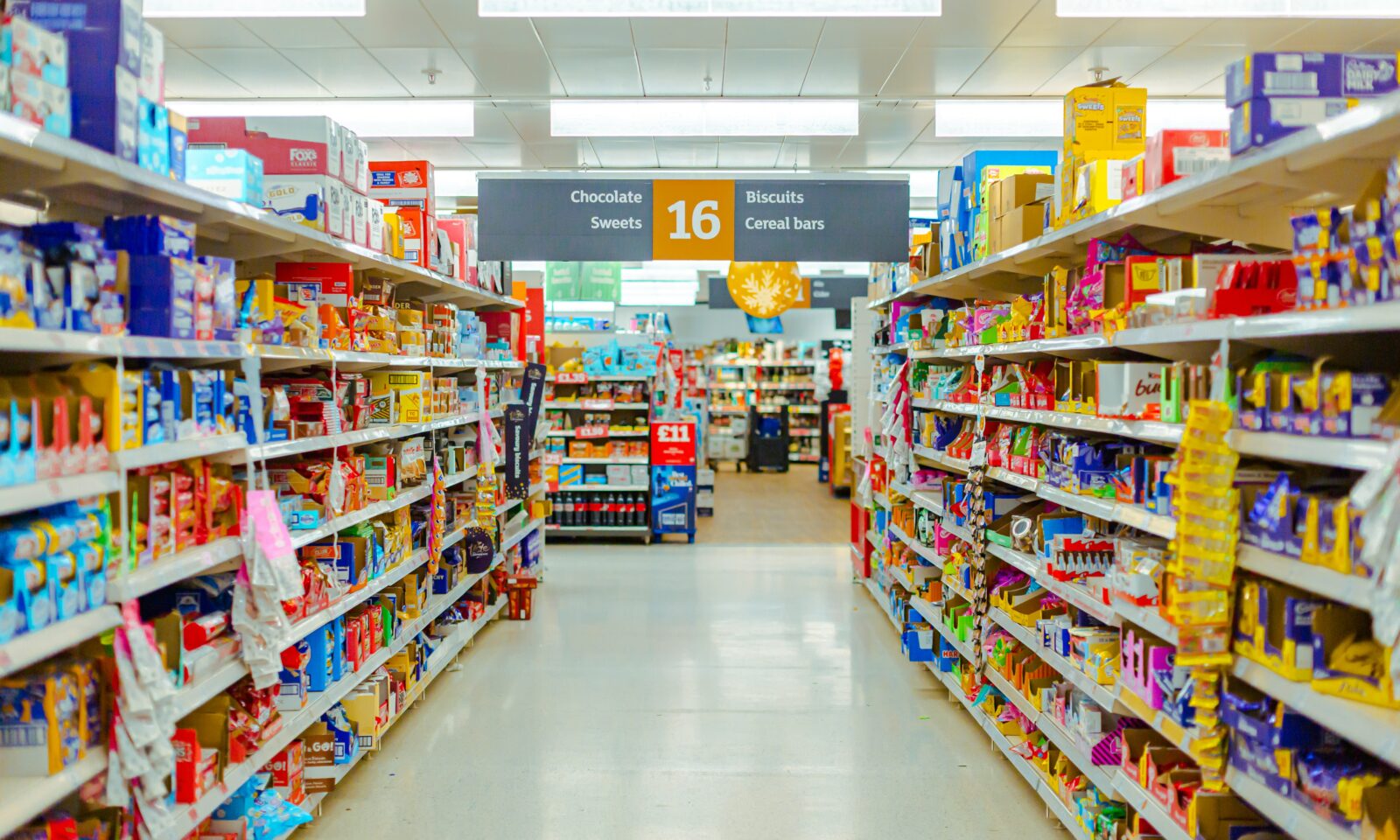
The National Retail Federation’s Oct. 6, 2026, Halloween research update identifies a customer-experience opportunity beyond selling costumes: 34% of families with young children say browsing Halloween displays or themed stores is part of their celebration plans. For retailers, that makes the visit itself worth examining alongside seasonal sales, without assuming that interest in a display guarantees a purchase.
The finding sits beside a second signal from NRF’s consumer research: enthusiasm for Halloween coexists with efforts to stretch budgets and reuse items. This analysis separates those reported survey results from their implications for merchandising, marketing and the way a business evaluates a seasonal experience.
The store can be part of the occasion
NRF senior research analyst Lea Grgich’s Oct. 6 account says 74% of consumers plan to celebrate Halloween, compared with 69% a decade earlier. It also describes families with young children as more likely than adults overall to plan a themed event other than a party, such as a pumpkin patch or community celebration.
These are planned activities, not a count of completed visits or transactions. The distinction matters. A family browsing a display may be enjoying an outing, looking for an idea or considering something to buy. The survey does not establish which of those purposes will produce revenue for a particular retailer.
The practical implication is to define what a seasonal display is meant to accomplish. If its purpose is discovery, a retailer can ask whether customers find relevant products and understand their prices. If the purpose is a purchase, the question becomes whether the path from the display to an available item is clear. These are management questions prompted by the research, not outcomes demonstrated by it.
Participation does not remove price sensitivity
NRF’s September research, conducted by Prosper Insights & Analytics, projected $13.5 billion in Halloween spending for 2026. That figure is an expectation, not sales already recorded. Its Sept. 29 discussion says the survey covered 7,889 U.S. consumers Sept. 1–9 and found planned spending averaging $115.14 per person.
The same discussion reports that 34% cite looking for items they can reuse in the future as a response to higher-than-expected prices. It says 52% repurpose about half or more of their costume items and 73% do so with decorations from year to year.
For a merchant, those findings complicate the idea that a bigger celebration necessarily requires a completely new basket. A shopper may want one item that complements what is already at home. That is an interpretation of the reported behavior, not a forecast of which product will sell best.
A value message can therefore explain an item’s role rather than merely announce a discount. Showing how an accessory completes an existing outfit, for example, is a different proposition from presenting a full costume as the only way to participate. Whether that approach works still needs to be tested against the retailer’s own customers and assortment.
Measure the experience without overstating the evidence
Retail leaders can distinguish attention, availability and purchase when reviewing seasonal activity. An appealing display can attract interest while an unavailable size or unclear price prevents a sale. Counting only attention would miss that operational gap; counting only sales would not explain where the visit became difficult.
Those distinctions also help marketing and store teams discuss the same objective. A campaign promising an enjoyable browsing experience should be matched by an environment customers can actually navigate. A product-led campaign should direct shoppers to an item they can identify, locate and evaluate. Neither proposition is established simply by citing a national spending estimate.
NRF’s Sept. 22 release says 49% planned to begin shopping in September or earlier. That is further reason not to treat Oct. 31 as the entire season. By October, some customers may be completing earlier plans rather than starting from scratch. The survey does not tell an individual store how much demand remains.
The business case is narrower and more useful than a blanket claim that Halloween experiences drive growth. Current research shows interest in celebrating, browsing and preserving value. Retailers can use those signals to form specific questions about their own displays, available products and customer journey, then evaluate the answers with actual operating evidence.
National intentions also cannot establish the preferences of a particular neighborhood or store. Local transaction and availability records remain necessary for deciding whether an observed pattern applies to that business.