Texas Is Turning AI Infrastructure Into a Political Contract
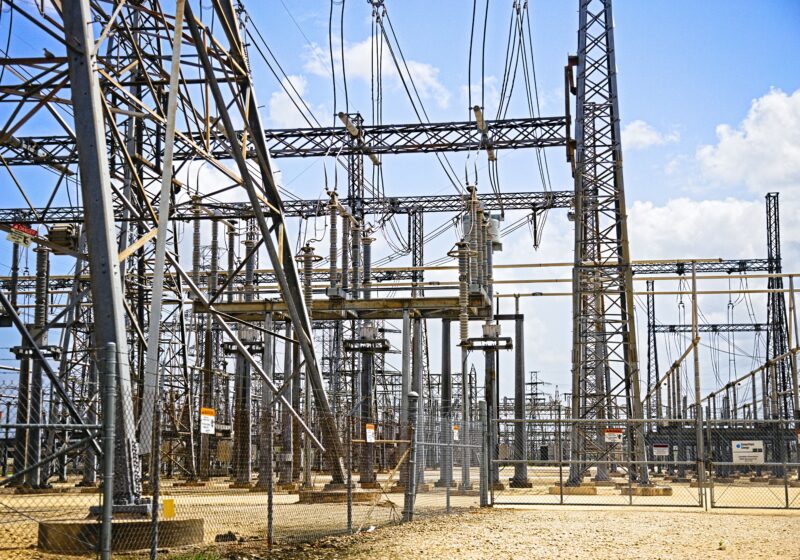
Texas is auditing data-center grid requests and weighing tougher conditions, turning AI infrastructure growth into a test of power, water and public legitimacy.
Business, technology and what comes next.
NextNow / Archive
Texas is auditing data-center grid requests and weighing tougher conditions, turning AI infrastructure growth into a test of power, water and public legitimacy.

Advanced models are gaining the ability to navigate systems, execute actions and circumvent safeguards. The institutions responsible for deciding how much risk is acceptable are still trying to determine what should be tested, by whom and what happens after a model leaves their control.
The first AI-generated viruses were engineered to kill bacteria, not people. That makes this experiment safer. It does not make the precedent benign.
A New Mexico court found Meta’s platforms created a public nuisance, bringing the company’s total liability in the case to $942 million and imposing five years of youth-safety requirements.
OpenAI, Anthropic, Google and Meta were called to Washington to discuss a voluntary framework for government testing of the most capable U.S. AI models.
New EU requirements govern disclosure when people interact with AI and the machine-readable marking of generated or manipulated content.
Meta is joining the EU code focused on labeling and identifying AI-generated content while warning against a fragmented patchwork of disclosures.
A broad industry letter argues that downloadable model weights are central to U.S. competition, customer control and cyber defense—even as policymakers focus on misuse and China.