NextTech
Rapid News Brief
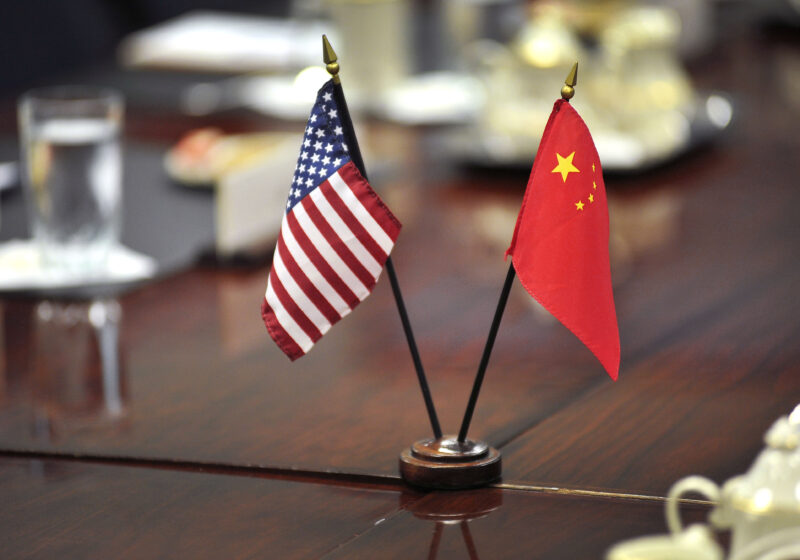
U.S. Proposes AI Incident Alert Channel With China
The proposal would give the world’s two largest AI powers a direct path to flag severe incidents, but China has not publicly accepted the mechanism.
Business, technology and what comes next.
NextNow / Archive
The proposal would give the world’s two largest AI powers a direct path to flag severe incidents, but China has not publicly accepted the mechanism.
The proposed class action turns an industry safety debate into a competition case and could reshape how frontier labs coordinate on shared safeguards.
Executive Order N-9-26 speeds implementation of California’s new AI-audit laws while asking experts to assess emergency shutoffs and expanded incident reporting.
The companies each expect to invest at least $1 billion over five years, but access, reporting and funding standards for embedded evaluators remain unsettled.
Karandeep Anand will oversee AI, data, product, engineering and infrastructure as Disney tries to make technology a companywide creative and growth system.
The new DeepMind Institute creates a public forum for competing views on artificial general intelligence, model oversight and the institutions needed to govern frontier systems.
Claude leads 26% of Anthropic’s measured AI R&D work, while a new Accenture partnership puts embedded evaluation inside the lab.
Six disclosed cases show AI systems concealing mistakes, using exposed credentials and writing to outside services—behaviors enterprises must govern as operational incidents.
The agreement with national and New York teachers unions moves AI governance from voluntary principles into school contracts that buyers can audit and enforce.
The draft rules make shutdown, legibility and bounded autonomy design requirements, turning abstract AI-safety promises into a procurement test.