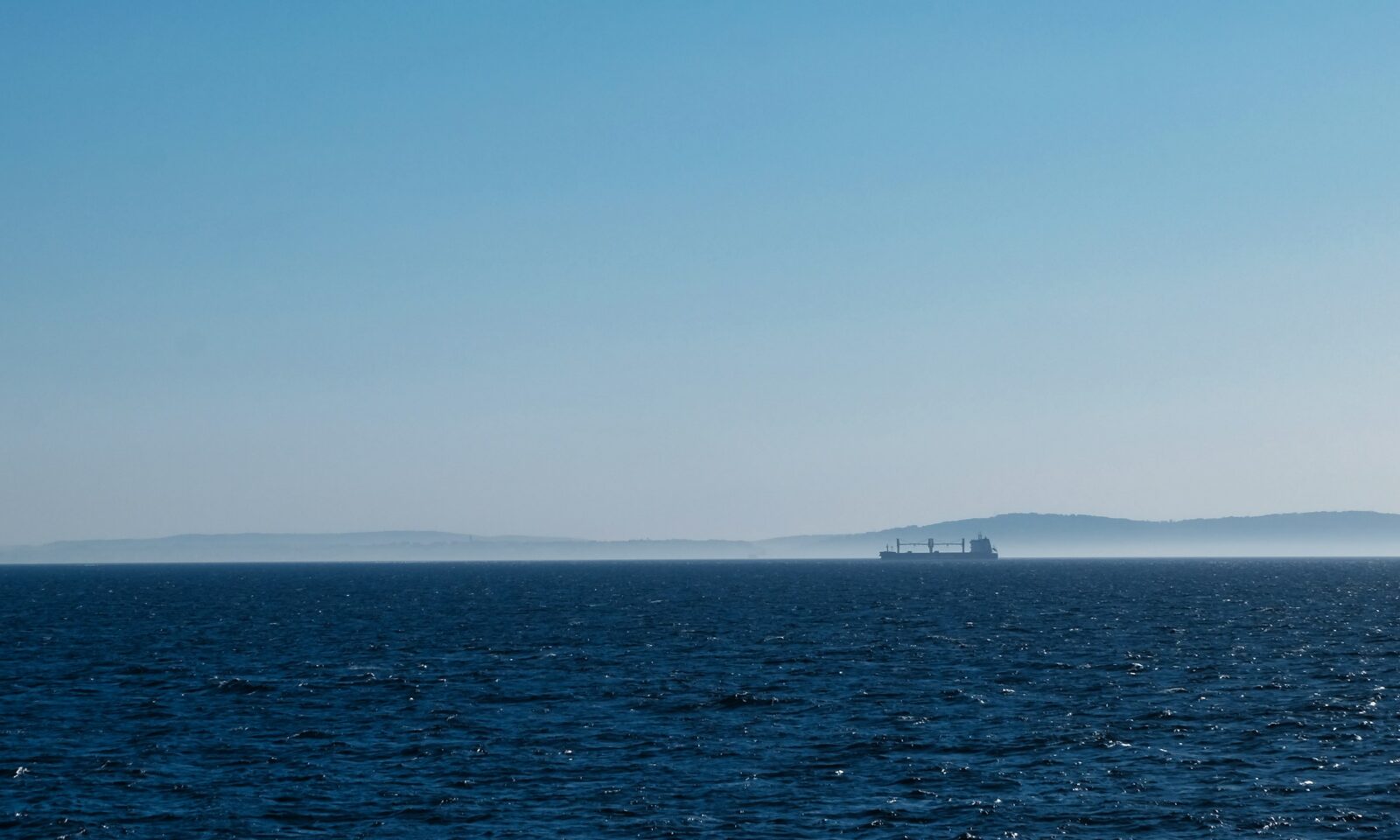
Iran’s Supreme National Security Council said Saturday, Aug. 8, that the Strait of Hormuz would remain closed until the United States meets six demands, adding a new layer of uncertainty for energy markets, shipping networks and companies exposed to freight and fuel costs.
The Associated Press reported that Iran’s state broadcaster published the statement by council secretary Mohammad Bagher Zolghadr. The demands range from an end to military threats and sanctions to compensation for war damage and the release of frozen Iranian assets. The U.S. government had not immediately responded to the statement.
Iran sets conditions for reopening
Zolghadr’s statement called on Washington to stop threats against Iran, end the war with Iran and its allies, and lift what Tehran describes as a U.S. naval blockade. It also demanded the withdrawal of U.S. forces from the area, compensation for damage caused during the conflict, an end to sanctions and the release of Iranian assets held overseas.
Those are Iran’s stated conditions, not terms accepted by the United States or other governments. Several touch issues that extend well beyond the mechanics of maritime passage, making the announcement commercially significant even without an immediate change in vessel movements. It links access to a critical trade route with broader military, sanctions and financial negotiations.
The Strait of Hormuz connects the Persian Gulf with the Gulf of Oman and the Arabian Sea. It is one of the world’s most important corridors for oil and liquefied natural gas. AP reported Saturday that transit remained low, underscoring the gap between diplomatic activity and normal commercial operations.
Oman talks remain a parallel track
Iran also said it was close to a separate navigation arrangement with Oman. Omani officials said discussions were continuing in a positive and constructive atmosphere, according to AP. The two countries share the strait’s coastal geography, giving Muscat a central role in any practical framework for vessel passage.
Oman has publicly documented that process. In a June 23 joint statement, Iran and Oman said they were discussing the future administration of navigation, maritime services and associated costs. A subsequent Omani statement on July 14 reaffirmed cooperation aimed at restoring freedom of navigation under international law.
Saturday’s demands do not erase those talks, but they clarify how many political conditions Tehran may seek to place around a commercial transit agreement. For carriers and cargo owners, that distinction matters: a navigation framework can establish procedures, but it does not by itself remove the wider security risk.
Commercial exposure extends beyond energy
The immediate concern is oil and gas, but the operational consequences reach further. Shipping restrictions can alter voyage planning, insurance decisions, charter availability and delivery schedules. Higher or more volatile transport costs can then move through manufacturing, retail, aviation and consumer pricing, even for companies that do not buy energy directly from the region.
The U.S. Maritime Administration’s current advisory warns commercial vessels of Iranian threats and attacks in the Persian Gulf, Strait of Hormuz and Gulf of Oman. That official guidance gives logistics and security teams a concrete operational signal separate from the political claims made by the governments involved.
Executives should resist treating a headline about negotiations as proof that shipping has normalized. Procurement and finance teams should monitor verified vessel movements, carrier notices, insurance requirements and official maritime guidance alongside diplomatic statements.
What business leaders should watch
The next meaningful development would be a documented transit agreement with enforceable procedures, a sustained increase in commercial passage or a formal U.S. response to Iran’s conditions. Until then, the commercial story is continued uncertainty rather than a completed reopening.
For senior leaders, the practical question is exposure: which suppliers, freight lanes, energy contracts and customer commitments assume predictable passage through the region? Saturday’s statement raises the value of answering that question before another political move becomes an operational disruption.