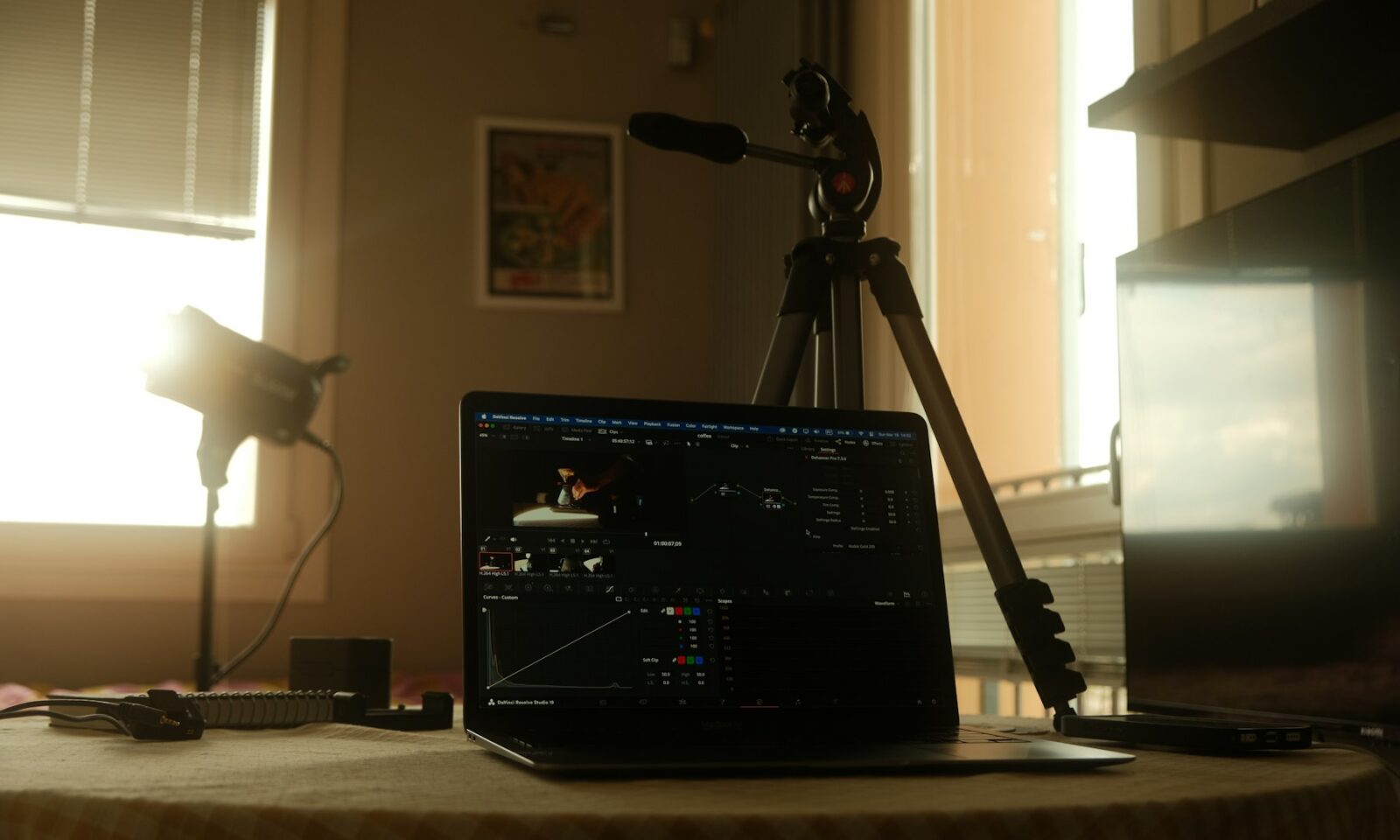
Instagram released a Mac version of Edits on Nov. 5, 2026, bringing its video editor to a desktop workspace while leaving a consequential limit for creative teams: Mac projects remain separate from projects made on phones.
Analysis: The release expands where creators can work, but it does not yet provide a continuous editing project across mobile and desktop. That distinction matters to brand teams and production partners choosing where a video starts, who revises it and which version is ready to publish. This assessment draws on Instagram’s documentation, not a hands-on product test.
A larger workspace changes the editing surface
In the launch announcement, Edits head Brett Westervelt describes a desktop editor with multiple timeline tracks, keyframes, audio waveforms and color controls. Creators can bring in their own fonts and color look-up tables, known as LUTs. Instagram also describes direct publishing to its platform.
These are practical interface choices. A timeline that exposes several tracks and detailed audio information gives editors more elements to inspect together. Keyboard shortcuts can preserve familiar working habits. Neither feature establishes that a particular team will finish a campaign faster; the relevant question is whether its editing and review tasks fit the workspace.
The desktop product page lists macOS and an Apple silicon Mac with an M1 chip or later as requirements. The download is free. This is not a Windows release or a reason to assume every existing Mac in a production department qualifies.
For a mixed-device team, that creates a concrete planning boundary. Choosing the editor and assigning the editor’s workstation are connected decisions. Buying or replacing hardware would be a separate cost, not something resolved by the application’s download price.
Reusable styles are not a shared editing project
Instagram says audio and text styles saved on mobile appear on desktop. Its Help Center, however, explicitly separates Mac projects from Android and iPhone projects. The launch post describes seamless work on one project across those devices as something still being developed.
There is no contradiction in those statements when the objects are kept distinct. A saved style can carry a visual choice into a new workspace without carrying the full editable sequence, clip arrangement and revision state. Familiar assets make a tool easier to enter; they do not, by themselves, establish a project handoff.
Consider a hypothetical agency workflow in which one creator starts a cut on a phone and another is expected to finish the same editable project on a Mac. The documented separation means the team cannot plan that handoff as an already delivered feature. This is a planning example, not a reported production failure.
A sensible initial scope would keep ownership of a particular edit clear and identify what a colleague is receiving: source footage, a rendered video or an editable project. Those deliverables serve different purposes. A file that can be watched and approved is not necessarily a project whose individual cuts and tracks can be revised.
Direct publishing changes a step, not the signoff
Instagram’s announcement describes publishing from the Mac editor with platform features such as tagging and location. Separately, the product page describes watermark-free 4K exports and multiple aspect ratios. Those options distinguish preparing a finished file from sending it directly to Instagram.
The business implication is a choice about the final production step. A creator publishing independently may value staying inside one editor. A brand working through an approval chain still needs to decide who can release the result and which version has been approved. A publishing control is not evidence that an organization’s review has happened.
Teams could evaluate those questions with an existing, noncritical project: whether the intended reviewer can inspect the export, whether revisions remain traceable and whether the person publishing has the correct account and approved material. These are proposed evaluation criteria, not claims about controls that Edits does or does not provide.
The useful comparison is the workflow delivered today
Instagram says it plans weekly desktop updates. That gives creative managers a reason to track releases, not to assume the unfinished phone-to-Mac project connection will arrive on a particular date.
The launch therefore presents two different propositions: more room and precision for desktop editing now, and a more continuous cross-device workflow later. An evaluation that combines them would overstate what the release establishes.
For creative operations, the strongest starting point is narrower than replacing an entire software stack. Identify a suitable Mac-based job, keep the project owner explicit, and assess the path from source material through review to publication. Edits can compete for that job on its documented capabilities today; the future handoff should remain a separate decision until Instagram delivers and documents it.