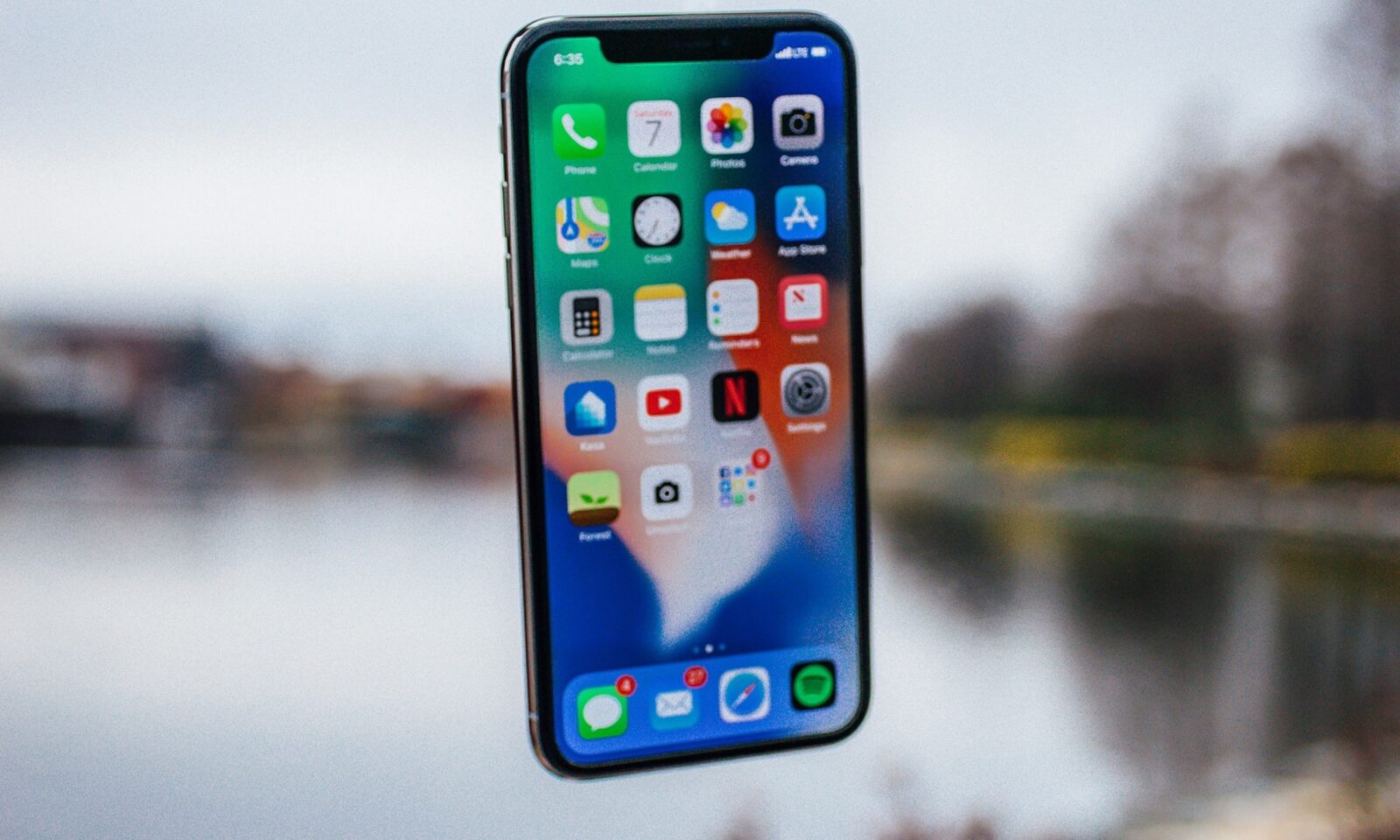
Apple’s iPhone 18 Pro went on sale in India on Sept. 18, and Blinkit, Zepto and other rapid-delivery apps offered the new phones alongside the usual store and online channels. The launch made a premium smartphone an immediate-commerce product, testing whether convenience platforms can sell expensive electronics beyond a high-profile debut.
Blinkit founder Albinder Dhindsa said the company offered the iPhone 18 Pro in all four colors and added the Pro Max, Apple Watch Series 12 and AirPods 5. He said the launch-day offering covered 10 Indian markets, including Delhi NCR, Mumbai, Bengaluru, Hyderabad and Chennai, and described it as a partnership with Apple. Apple separately confirmed that the new Pro phones arrived in its stores worldwide on Sept. 18; its launch announcement does not detail Blinkit’s arrangement.
TechCrunch reported that Blinkit, Zepto, Swiggy’s Instamart and BigBasket listed the phones for delivery in roughly 10 minutes in some locations. The publication found that availability became patchy within hours, with some platforms and neighborhoods sold out while others still showed stock. Delivery time and inventory therefore depended on the buyer’s location, not simply the app’s headline promise.
From grocery habit to premium purchase
The business significance lies less in the novelty of a fast iPhone delivery than in the role the apps are seeking. Quick-commerce services built frequent customer contact through groceries and household needs. Adding a costly, recognizable product invites shoppers to use that familiar interface for a different kind of transaction. It also gives device makers and retailers another way to appear at the precise moment a launch captures attention.
This is not the first time India’s rapid-delivery companies have listed a new iPhone. TechCrunch noted that the platforms have offered Apple devices on prior launch days and have expanded into electronics, beauty and fashion. The iPhone 18 release is still a useful test because multiple competitors participated at once, and the new phones appeared on the same day as conventional retail availability.
Moneycontrol reported Blinkit’s stated launch-day coverage in 10 markets and Zepto’s in four. Those footprints should not be read as universal access within each city. A nearby fulfillment hub must have the requested model, color and storage capacity, and the platform must be able to fulfill the order. Limited assortment can turn the promise of instant delivery into a search across apps.
Analysis: Speed is an acquisition tool, not yet a channel verdict
The launch gives the apps a marketing advantage: an expensive, sought-after item makes the speed proposition vivid. For Apple, it potentially widens the set of purchase occasions beyond a store visit or a conventional shipment. Those are strategic possibilities, not measured outcomes. Neither a launch-day listing nor a fast individual delivery establishes how many buyers will choose quick commerce for ordinary smartphone purchases.
That distinction matters for executives deciding where to place inventory. Phones tie up more capital per unit than everyday goods, and a launch involves many combinations of model, capacity and finish. A platform that promises speed must position enough of the right variants near buyers without leaving expensive stock in the wrong locations after demand cools. The public reports do not establish the economics of those decisions for any of the companies involved.
There is also a trust requirement. A premium-device buyer needs confidence in authenticity, payment, returns and after-sales support, not just a quick arrival. Blinkit says it offered select card discounts and no-cost installment options. Such offers may make the purchase route more competitive, but their presence does not show that buyers prefer it to Apple’s own stores, authorized resellers or established marketplaces.
TechCrunch cited analysts who cautioned that quick commerce remains a small smartphone sales channel and that launch-day demand may be unusually promotional. That is the right constraint on the story. The visible evidence supports a distribution experiment and a competitive push for attention; it does not yet support a claim that India’s phone retail market has shifted permanently.
What would prove the model
A stronger signal would be repeated availability and purchases after the launch rush, across more models and price points, with fulfillment performance and returns comparable to established channels. Companies would also need to show whether the extra sales justify local inventory and rapid fulfillment costs. None of those metrics was disclosed in the reports reviewed here.
For now, the iPhone 18 launch demonstrates that India’s quick-commerce apps can participate in a marquee electronics release. The next question is whether customers come back to those apps for the less theatrical purchase that follows it. That will determine whether speed becomes a durable retail advantage or remains a memorable launch-day message.