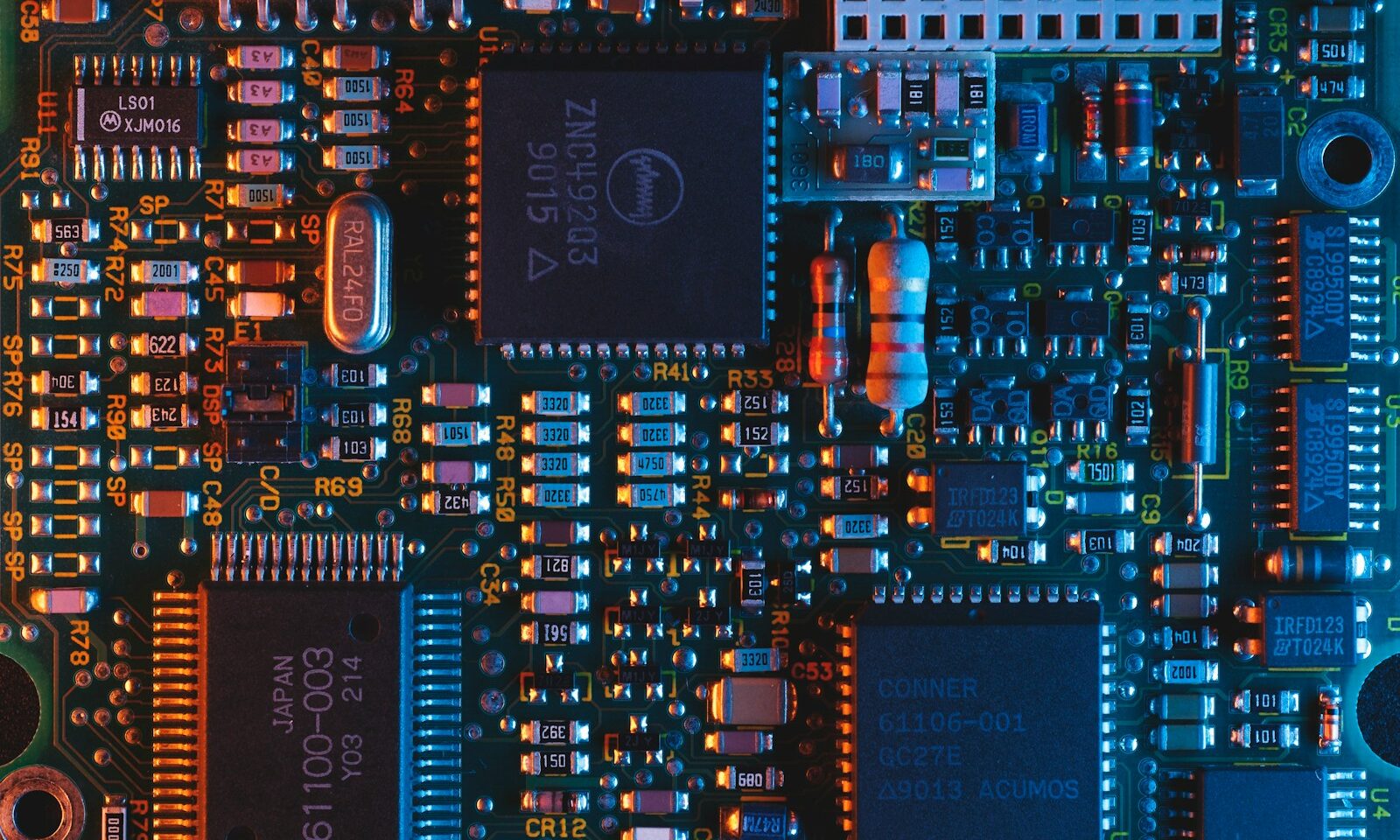
Rapid News Brief — The U.S. Commerce Department announced Oct. 22 that it signed letters of intent for up to $389 million in semiconductor and materials research funding, linking proposed support for four companies to power-delivery needs in fusion energy, data centers and the chip supply chain.
The department’s announcement describes proposed CHIPS and Science Act research awards, not completed payments. The government would receive minority, noncontrolling and nonvoting equity stakes as a condition of making the awards.
Four projects target different supply-chain needs
Helion’s proposed allocation is up to $175 million for high-voltage semiconductors and power modules used in fusion generation. Commonwealth Fusion Systems would receive up to $85 million for work including radio-frequency plasma heating, power electronics, diagnostics and radiation-hardened electronics.
Vertical Semiconductor’s proposed award is up to $73 million for vertical gallium nitride power semiconductors intended to improve power delivery for advanced computing. Sibelco would receive up to $56 million for purification and finishing technologies for ultra-high-purity quartz used throughout semiconductor production.
Reuters also reported the four proposed awards and the equity-stake condition. The allocations span both electronic devices and the materials needed to manufacture semiconductors; they are not four interchangeable chip-production subsidies.
Research funding is not commercial readiness
In its own description of the proposed project, Commonwealth Fusion Systems said the work includes semiconductor technologies for robotic maintenance, radio-frequency generators and embedded controllers for fusion systems.
The company said it expects the effort to attract suppliers and partners. That is its expectation, not evidence that a new supply network has already formed or that the proposed funding has established commercial fusion’s viability.
For industrial suppliers, the business significance is the proposed focus on specialized components and materials, rather than only on conventional chip-factory construction. The next distinction to track is between these letters of intent and final awards: the announced ceilings do not establish that the companies have received those amounts.