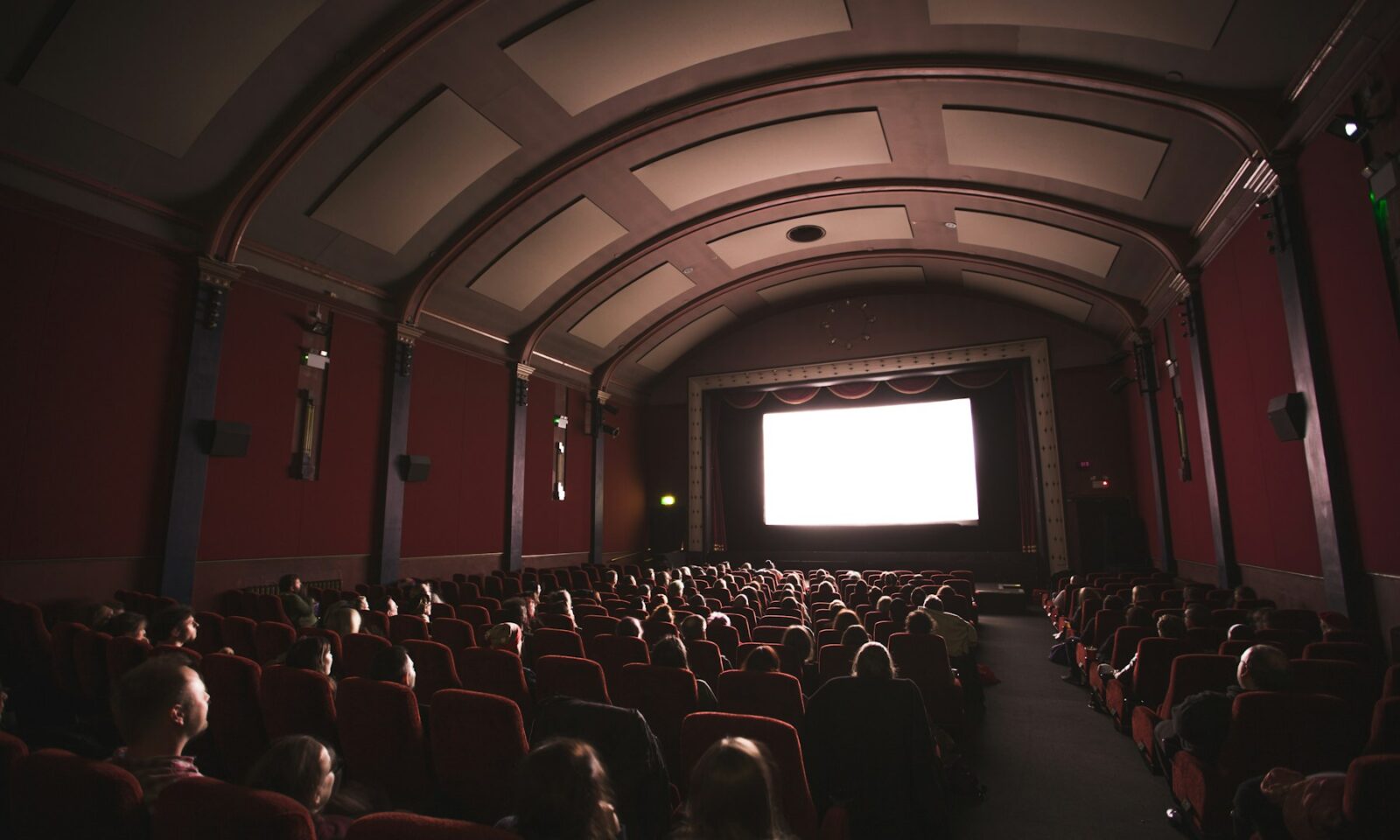
Sony Pictures Entertainment and Alamo Drafthouse Cinema announced on July 22, 2026, that they will restore Hollywood’s Cinerama Dome and reopen the landmark in early 2028, six years after the theater complex closed during the pandemic.
The Dome will retain its name, geodesic exterior and approximately 86-foot curved screen. Alamo Drafthouse, which Sony acquired in 2024, will operate the venue and an adjacent 14-screen complex in the former ArcLight Cinemas space. Renovation work is scheduled to begin in August.
Sony is investing in the theater as a destination
The plan separates the Dome from a conventional multiplex. Sony said the auditorium will preserve a traditional concession model rather than adopt Alamo’s in-theater dining format. The neighboring screens will offer Alamo programming and food service, while the Dome will focus on large-format presentation, 70mm exhibition, premieres, repertory screenings and filmmaker events.
That distinction is central to the business case. Streaming has made convenience abundant. Theaters must compete through scale, social energy, curation and scarcity—qualities that cannot be fully reproduced at home. A famous venue gives Sony and Alamo an asset that can make a screening feel like an event.
The complex also creates multiple revenue layers. Premium formats can support higher ticket prices, while food, beverage, merchandise, private events and fan programming can increase spending around each visit.
Historic identity becomes part of the product
The Cinerama Dome opened in 1963 and has long been associated with Hollywood premieres and large-format cinema. Preserving that identity gives the restored theater an emotional advantage, but it also raises expectations. The project has to satisfy cinephiles who see the Dome as cultural infrastructure while operating as a modern commercial venue.
Sony’s ownership of both a film studio and an exhibition chain adds another strategic dimension. The company can use the site for premieres, franchise celebrations and special engagements while Alamo supplies operating expertise and a built-in audience.
The reopening will not solve the structural pressures facing theaters. It does, however, sharpen the industry’s most credible response to streaming: make moviegoing distinctive enough that the place, presentation and community are part of what people pay to experience.