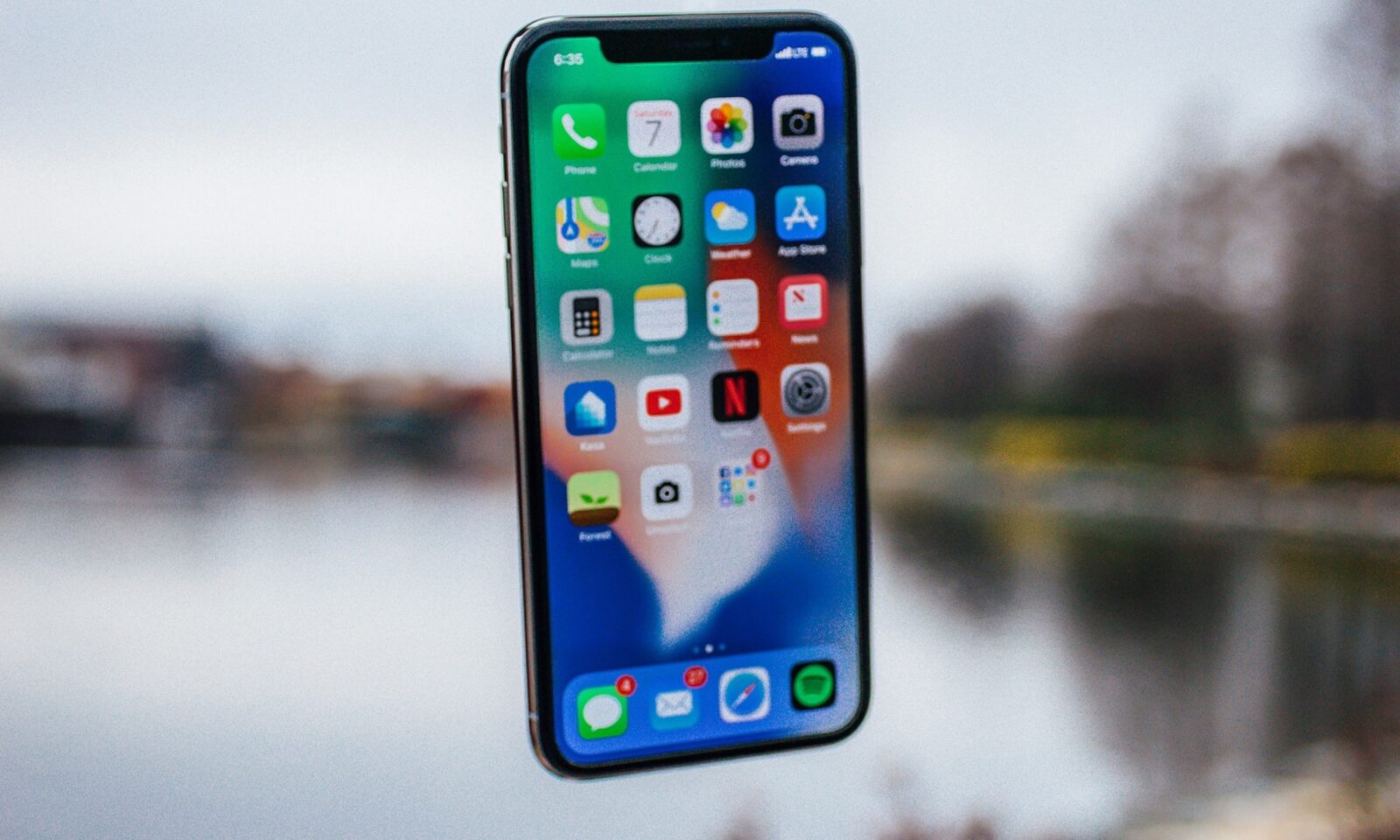
Apple introduced Apple Reference Image with the iPhone 18 Pro on Sept. 9, turning image authenticity into a camera and interface feature rather than a forensic task left for later. The system uses a new main-camera sensor to sign captured data, then creates what Apple describes as an unalterable reference image that can be compared with an edited photo.
For designers, publishers and brands, the important change is not another camera specification. Apple is making provenance part of the product experience. In a media environment crowded with synthetic images, the ability to show where a picture came from and whether it changed could become as important as resolution, composition or color.
What Apple Reference Image does
According to Apple’s product announcement, the iPhone 18 Pro and Pro Max include a main-camera sensor that can sign every pixel it captures. When a user takes a photo in Reference mode, the device records signed sensor data. Apple’s Private Cloud Compute system develops that data into a reference image that appears beside the ordinary, editable photo in the Photos app.
The reference file works like a digital negative. A viewer can compare it with the working image to determine whether edits were made. Apple is also providing APIs in iOS, iPadOS and macOS 27 so third-party applications can display those reference images.
Fast Company reported that Reference mode is turned off by default and must be enabled in camera settings. Axios noted that adoption will take time because the system requires new hardware and an intentional choice to capture the additional proof. Those constraints matter: a trust feature has limited reach if people do not know it exists or find it too cumbersome to use.
Authenticity moves into the sensor
Apple’s approach reflects a broader technical shift from trying to detect synthetic media toward proving the origin of authentic media. Detection tools make judgments after an image exists. Provenance systems create a chain of evidence at capture.
Researchers at ETH Zurich demonstrated the underlying principle earlier this year. Their prototype sensor technology generates a cryptographic signature inside the chip at the moment data is created. The university said subsequent manipulation would leave evidence, while forging the original capture would require attacking the hardware itself.
There are important differences between a research prototype and Apple’s commercial system. ETH described a model in which signatures could be stored in a publicly accessible registry, enabling independent verification. Apple routes development of its reference image through Private Cloud Compute. That creates a polished consumer workflow, but it also places Apple at the center of verification.
Apple separately supports metadata and plans support for Google’s SynthID standard to help identify material generated or edited with AI. Reference Image tackles a different question: not whether a file looks synthetic, but whether a verifiable camera captured the underlying scene.
Analysis: trust becomes a product layer
The deepest design challenge is not cryptography. It is comprehension. Most people will not inspect hashes, signatures or sensor keys. They need a simple, consistent signal that communicates what is known, what has changed and what remains uncertain.
That makes authenticity an interface problem. A badge cannot merely say “real” or “fake,” because legitimate photos are routinely cropped, color-corrected and compressed. A useful system should distinguish an authenticated capture from an untouched file, show which edits occurred and preserve that information when the image moves between apps and platforms.
Apple can make that interaction legible across its own devices. The harder test begins when a photo leaves Apple’s ecosystem. Newsrooms, social networks, messaging services, browsers and content-management systems would need to recognize and display the proof. If each platform invents a separate badge or hides the information behind menus, users will face another layer of ambiguity.
The closed nature of the system also creates a governance question. Trust is strongest when verification does not depend on accepting the word of the same company that controls the device, operating system and cloud service. Apple’s implementation may be technically strong, but broad credibility will depend on transparent documentation, independent scrutiny and compatibility with open provenance standards.
What brands and publishers should do now
Organizations should begin treating provenance as part of their creative workflow. That means preserving original files, recording edits, maintaining clear rights and source metadata, and deciding when authenticated capture is necessary. Breaking news, executive communications, product claims and documentary work may deserve stricter standards than decorative lifestyle imagery.
Creative and marketing teams should also avoid presenting authenticity badges as blanket endorsements. A camera can prove that a scene was captured without proving the context, location or claim attached to it. Verification still requires editorial judgment.
Apple Reference Image will not end synthetic deception. It does, however, change the design brief. The next generation of media products must help people understand not only what they are seeing, but why they should trust it. Apple has made that expectation visible at the point of capture. Other platforms will now have to decide whether authenticity is a technical option or a core part of the user experience.