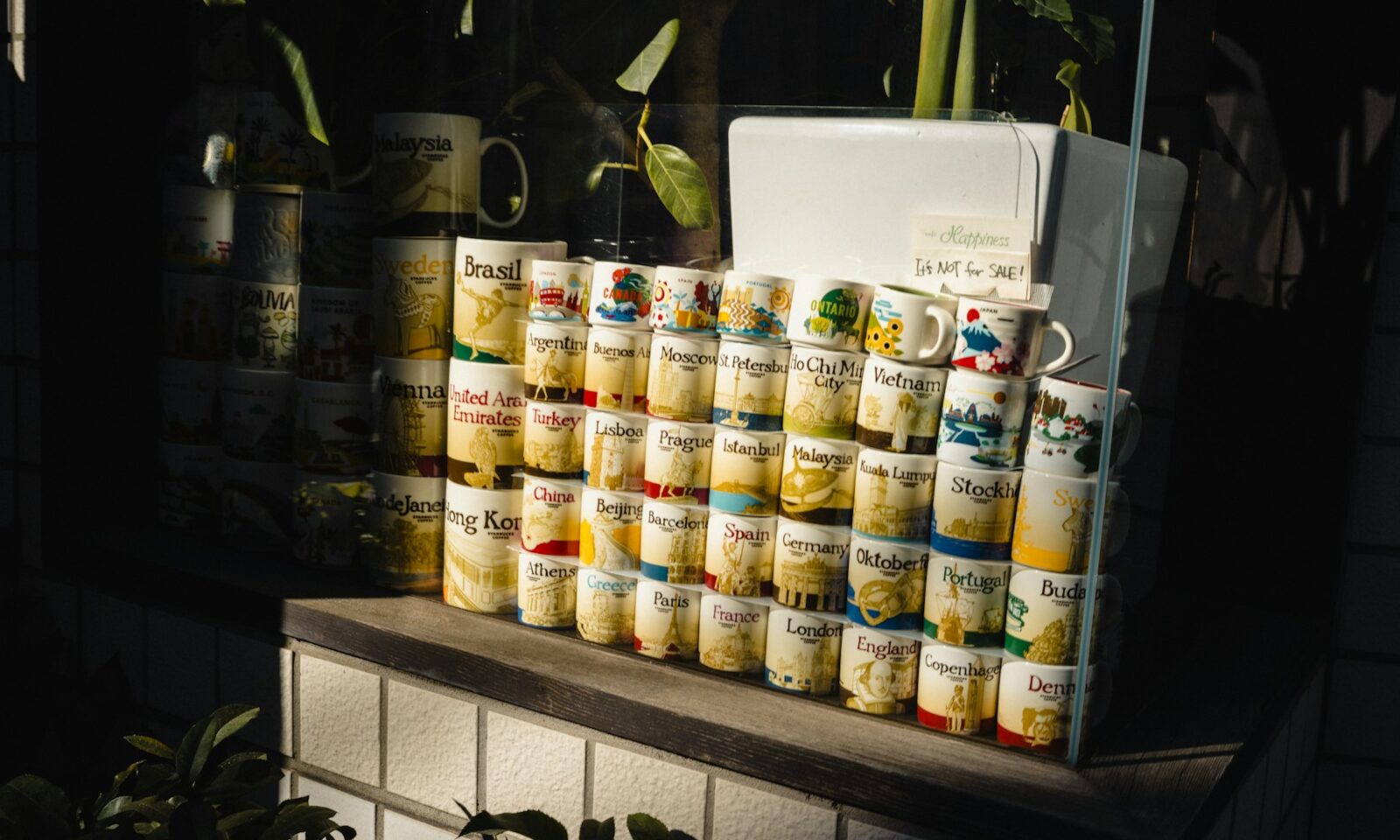
Starbucks’ $39.95 Snoopy glass cold cup reached resale prices of as much as $200 on StockX after its Tuesday, Sept. 15, launch, turning a limited-edition drinkware design into a visible test of nostalgia, scarcity and retail traffic.
The cup is part of a 10-item Starbucks and Peanuts fall collection tied to the 60th anniversary of “It’s the Great Pumpkin, Charlie Brown.” Starbucks limited purchases of the 20-ounce cup to two per customer and offered the collection only while supplies last at participating stores.
A product designed to be recognized instantly
The cup renders Snoopy as the vessel rather than placing the character on a conventional tumbler. An orange beanie, a Starbucks-green scarf and a Woodstock straw topper create an object legible from across a room or in a social feed.
Starbucks said the broader collection includes drinkware, a mini tote, a bag charm, pins and a plush. The collaboration pairs Peanuts’ multigenerational familiarity with the company’s established fall rituals around Pumpkin Spice Latte.
Scarcity turned the design into a traffic event
Bloomberg reported that the Snoopy cup sold for as much as five times its retail price on StockX and that “Starbucks Snoopy” ranked among top U.S. searches over the previous 24 hours. A high resale transaction does not establish the average market price, but it signals that the object attracted attention beyond ordinary drinkware shoppers.
The approach borrows from sneaker and streetwear drops: recognizable design, restricted supply and a fixed launch moment. For Starbucks, the immediate benefit is not only merchandise revenue. Customers have to visit a store, check inventory or open the app, creating additional opportunities for beverage purchases and loyalty-program engagement.
The brand risk sits beside the buzz
Scarcity can amplify demand, but it can also produce frustration when inventory disappears quickly or moves to resale platforms. The same mechanism that creates urgency can leave core fans feeling excluded.
The design lesson is more durable than the cup’s secondary-market price. Licensed characters create attention when the product feels specific to both partners. The commercial test is whether the experience deepens affinity and repeat visits after the launch-day lines are gone.