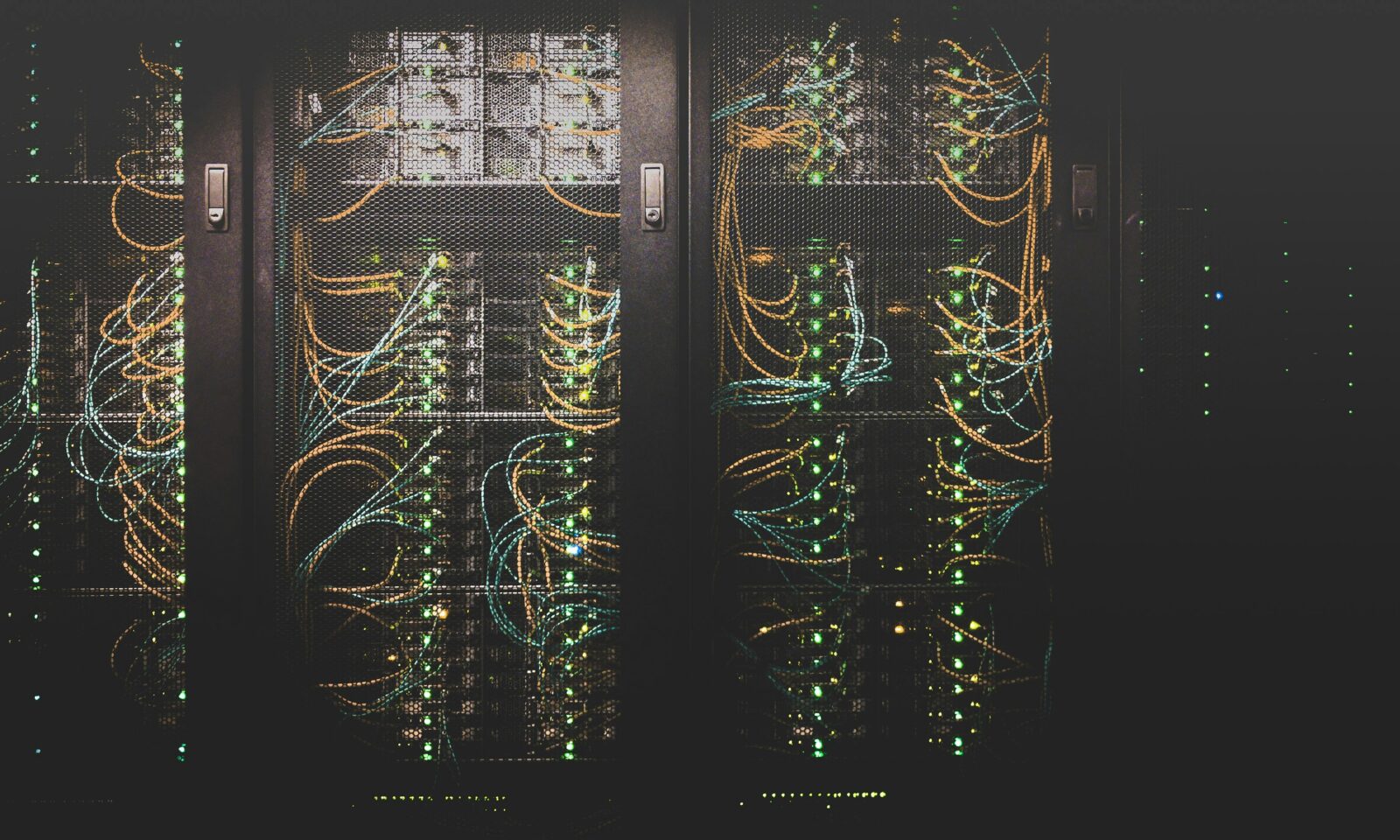
Advanced Micro Devices on July 23 detailed Helios, a rack-scale artificial intelligence system built around 72 Instinct MI455X graphics processors, as the chipmaker moved to compete more directly with Nvidia for the largest data center deployments. The system combines AMD accelerators, EPYC processors and Pensando networking in a single reference design intended for training, fine-tuning and running frontier AI models.
The launch matters because the contest for AI infrastructure is no longer only about individual chips. Hyperscalers and enterprise buyers increasingly evaluate the entire rack: compute, memory, networking, cooling, power, software and the speed at which all of those pieces can be deployed together. Helios is AMD’s answer to that buying model.
What is inside AMD Helios?
According to AMD’s Helios product documentation, the design integrates 72 MI455X GPUs with EPYC “Venice” CPUs and Pensando Vulcano network interface cards. AMD lists 31 terabytes of HBM4 memory across the rack, 260 terabytes per second of aggregate scale-up bandwidth and 43 terabytes per second of scale-out bandwidth.
Those performance figures are AMD’s own specifications and competitive claims, not independent benchmark results. The distinction is important for buyers comparing Helios with Nvidia’s rack-scale systems, because application performance will depend on software maturity, workload design, networking and deployment conditions as well as theoretical throughput.
AMD is also emphasizing open standards. Helios is designed around the Open Compute Project’s Open Rack Wide format, UALink and Ultra Ethernet. The company says that approach gives operators more flexibility across vendors and helps reduce dependence on proprietary interconnects. Its ROCm software stack supports major frameworks including PyTorch, TensorFlow and JAX.
Why rack-scale competition is the real contest
TechCrunch reported from AMD’s Advancing AI conference that Chair and CEO Lisa Su positioned Helios as a system for the largest AI labs and said shipments were expected later in 2026. The report also noted deployment plans involving Microsoft, OpenAI, Meta, Oracle and Anthropic.
That customer list gives AMD an opportunity to prove Helios under the most demanding conditions. It does not, by itself, erase Nvidia’s advantages. Nvidia’s installed base, CUDA software ecosystem and experience delivering integrated systems remain powerful barriers for challengers.
What enterprise technology leaders should watch
The practical questions now concern availability, performance and operational support. Buyers will need independent workload benchmarks, firm delivery schedules and clarity on how system builders implement the reference design. They will also need to evaluate whether existing teams can move workloads to ROCm without creating new engineering costs.
For infrastructure leaders, Helios creates another credible architecture to test when planning capacity for 2027 and beyond. The near-term benefit may be negotiating leverage and supply diversity. The longer-term consequence depends on whether AMD can turn specifications and partner commitments into repeatable production deployments at scale.
The facility implications are just as significant as the processor choice. A dense rack requires compatible power distribution, liquid cooling, network fabrics and service procedures. Operators should model those dependencies early because a nominally open rack can still create costly integration work. Helios will be most persuasive when system partners publish complete configurations, measured energy use and support commitments that let buyers compare total operating cost rather than isolated chip performance.