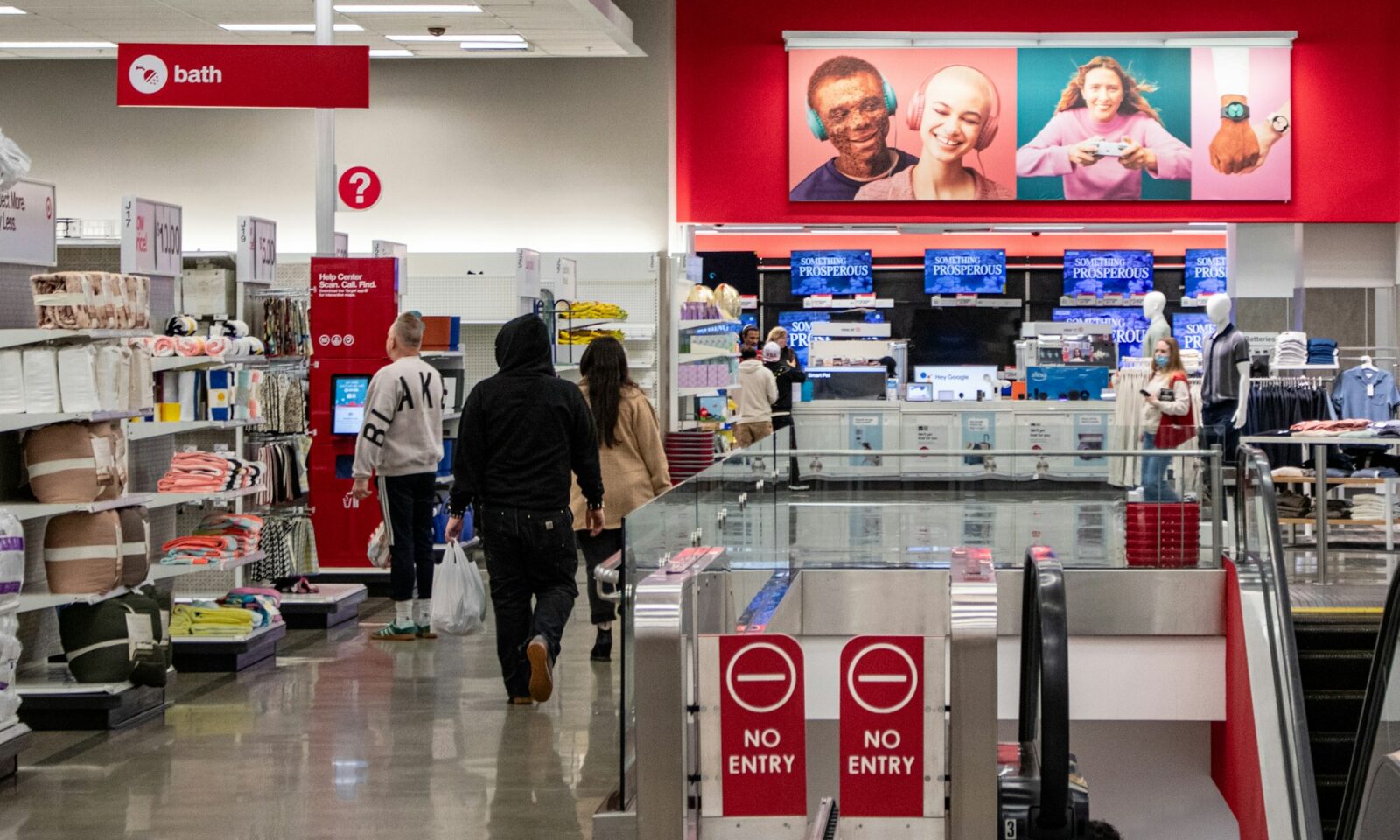
Target is scheduled to discuss its third-quarter results on Nov. 18, 2026, at 8 a.m. Eastern, providing a checkpoint for its store and digital-shopping strategy during the holiday shopping season.
The company’s event calendar confirms the conference call. This preview sets out questions for the discussion, not a forecast of the results or a claim that management will address every topic.
Separate visits from spending
Target’s Aug. 19 second-quarter release reported comparable-sales growth of 3.8%, driven by a 3.6% increase in comparable traffic. Store comparable sales rose 2.7%, while digital comparable sales increased 8.7%. Same-day delivery grew more than 25%, the company said.
Those are historical benchmarks, not third-quarter estimates. The useful question is whether a new sales figure comes with comparable detail about shopping frequency and channel performance. A headline growth rate alone does not explain which part of the customer experience changed.
Distinguish ordering from fulfillment
Target’s 2025 annual report describes stores as fulfillment hubs. Stores fulfilled 97.6% of total merchandise sales in 2025. That includes the store’s broader role, not a claim that the same percentage of online orders was fulfilled locally.
The distinction matters when assessing a digital-shopping business: the place where a customer places an order and the location doing the work are different questions. Executives can discuss demand through one channel while relying on capacity in another.
The annual report also identifies advertising and credit-card profit-sharing income as revenue sources beyond merchandise sales. Any discussion of that broader model should be kept separate from conclusions about how many products customers bought.
Its seasonality discussion says the fourth quarter traditionally carries a larger share of annual net sales because of November and December holiday shopping.
Ask what changed after the plan
In its March 3 strategy announcement, Target outlined plans for revised store layouts and displays, additional payroll and training, and greater spending on brand marketing and technology, including AI. It also described investment in digital discovery and loyalty.
These were company plans when announced. They are not, by themselves, evidence that every project is finished or that a particular investment caused a sales change. A useful operational update would distinguish completed changes, work still underway and the measures used to evaluate them.
Target’s March plans also included scaling paid Target Circle 360 memberships, the Roundel advertising network and the Target Plus marketplace. Their progress is a separate question from whether shoppers made more merchandise purchases.