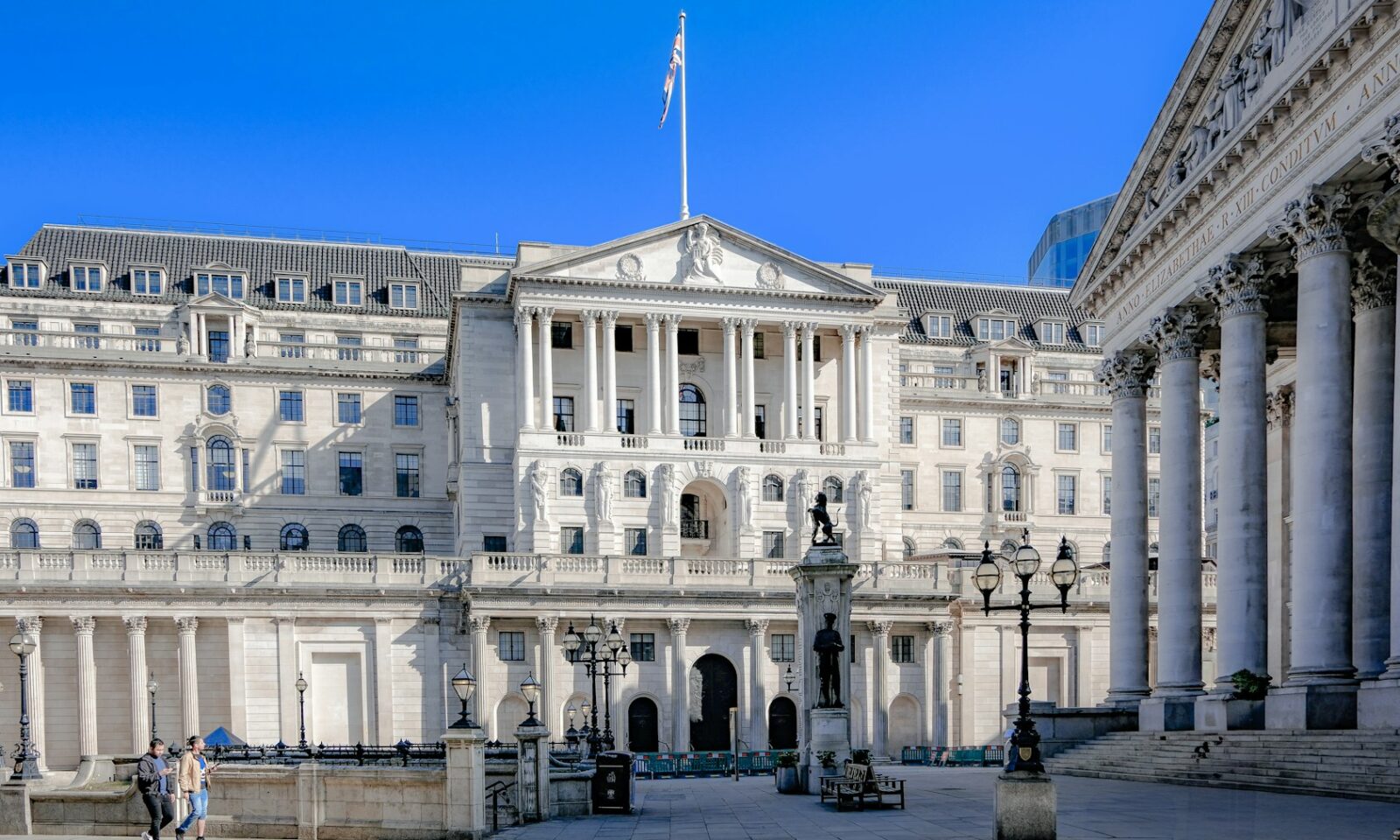
The Bank of England raised its benchmark interest rate to 4% from 3.75% on Nov. 5, 2026, its first increase since August 2023, as policymakers responded to renewed energy-driven inflation risks.
The Monetary Policy Committee voted 8–1 for a quarter-percentage-point increase. The dissenting member, Catherine Mann, wanted a larger half-point rise to 4.25%, not a hold. The meeting ended Nov. 4.
Energy costs reshape the inflation outlook
The bank said U.K. consumer-price inflation reached 3.5% in September and forecast a rise to around 5% by the middle of 2027. That is a projection, not the current inflation rate, and remains above the bank’s 2% target.
Policymakers said higher energy prices were feeding into household and business bills. They still saw limited evidence that those pressures were spreading into other prices and wages, but judged the inflation risks ahead sufficient to warrant tighter policy. Economic activity had also been stronger than expected.
Further increases are not guaranteed
Reuters reported that Gov. Andrew Bailey cautioned against treating the decision as the start of an inevitable sequence of increases, while leaving open the possibility of more tightening if energy pressures persist.
The committee said it would assess pay, pricing behavior and spare capacity at each meeting. Its policy path is conditional on the evidence, rather than a commitment to a particular number of increases.
The decision changes the policy benchmark facing U.K. businesses while leaving the timing and size of any further move unresolved. The bank’s next scheduled decision is Dec. 17.