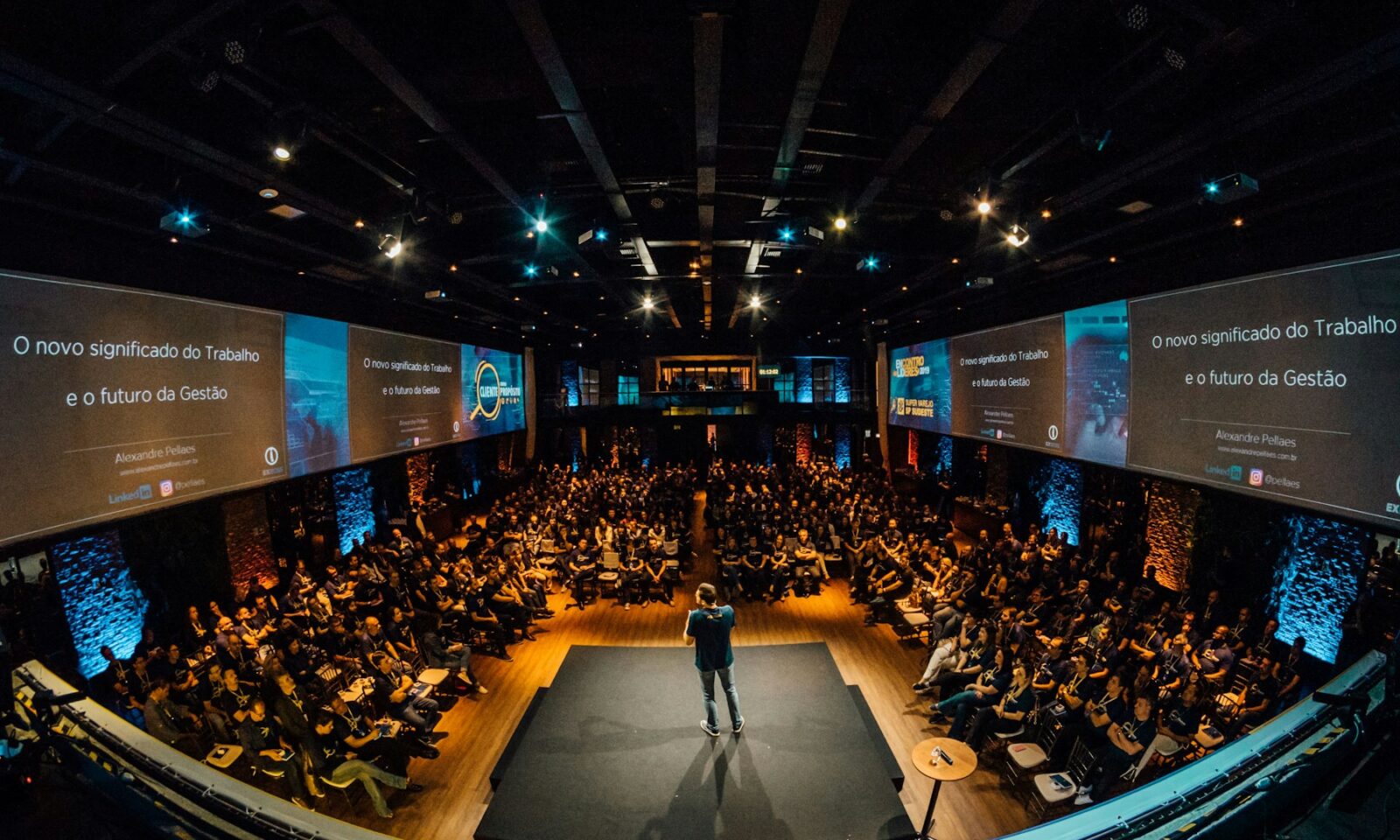
Enterprise UX will convene designers and product practitioners on Nov. 6, 2026, at Act Eventstudios in Arnhem, Netherlands, with a program that gives enterprise design leaders a timely opportunity to examine how their teams handle complex professional workflows.
The event has not taken place. This preview distinguishes the organizer’s announced program from the operational questions leaders can use to evaluate what they hear.
Look beyond the interface
The organizer’s speaker roster identifies design systems, accessibility, ethics, service design, prototyping, sustainability and AI among the subjects on the agenda. It lists Chris Noessel and Marie van Driessche as keynote speakers.
That mix matters because an enterprise interface is rarely the whole service. A screen may depend on decisions, information and handoffs elsewhere in an organization. An attractive demonstration is therefore a starting point for inquiry, not evidence that an entire workflow has improved.
For product leaders evaluating the sessions, useful questions include who performs the work, which constraints shape the task and how a proposed change would be tested. Those are editorial evaluation criteria, not promised conference findings. The published agenda alone cannot establish that any technique will reduce costs or improve adoption.
Connect management to practice
The official program includes a UX Management Circle for current and aspiring managers. It also schedules shorter presentations, longer talks and one-hour workshops, alongside opening and closing plenary keynotes.
The management component offers a different lens from a tool demonstration. Leaders can ask how a design decision gets approved, who owns the resulting work and whether the organization can maintain it after a pilot. A method that depends on responsibilities nobody has accepted is not yet an operating model.
Workshop examples can be evaluated with the same discipline. Separate a presenter’s account of a particular project from a claim that the approach transfers unchanged to another organization. Local constraints and the available evidence should remain visible in that comparison.
Set a practical learning objective
The event’s overview announces a mentorship partnership with Ladies That UX Amsterdam, open to conference attendees. The program places the initial mentor and mentee meeting during the morning break.
For teams following the event, a useful outcome would be a clearly framed question they can investigate afterward: a workflow to observe, an assumption to test or a responsibility to clarify. That is a suggested way to apply the program, not an assertion about what attendees will achieve.
The business value will depend on the substance of the presentations and how any relevant ideas are tested in practice. Until the conference takes place and that evidence is available, its agenda should be read as a statement of intended discussion rather than a record of demonstrated results.