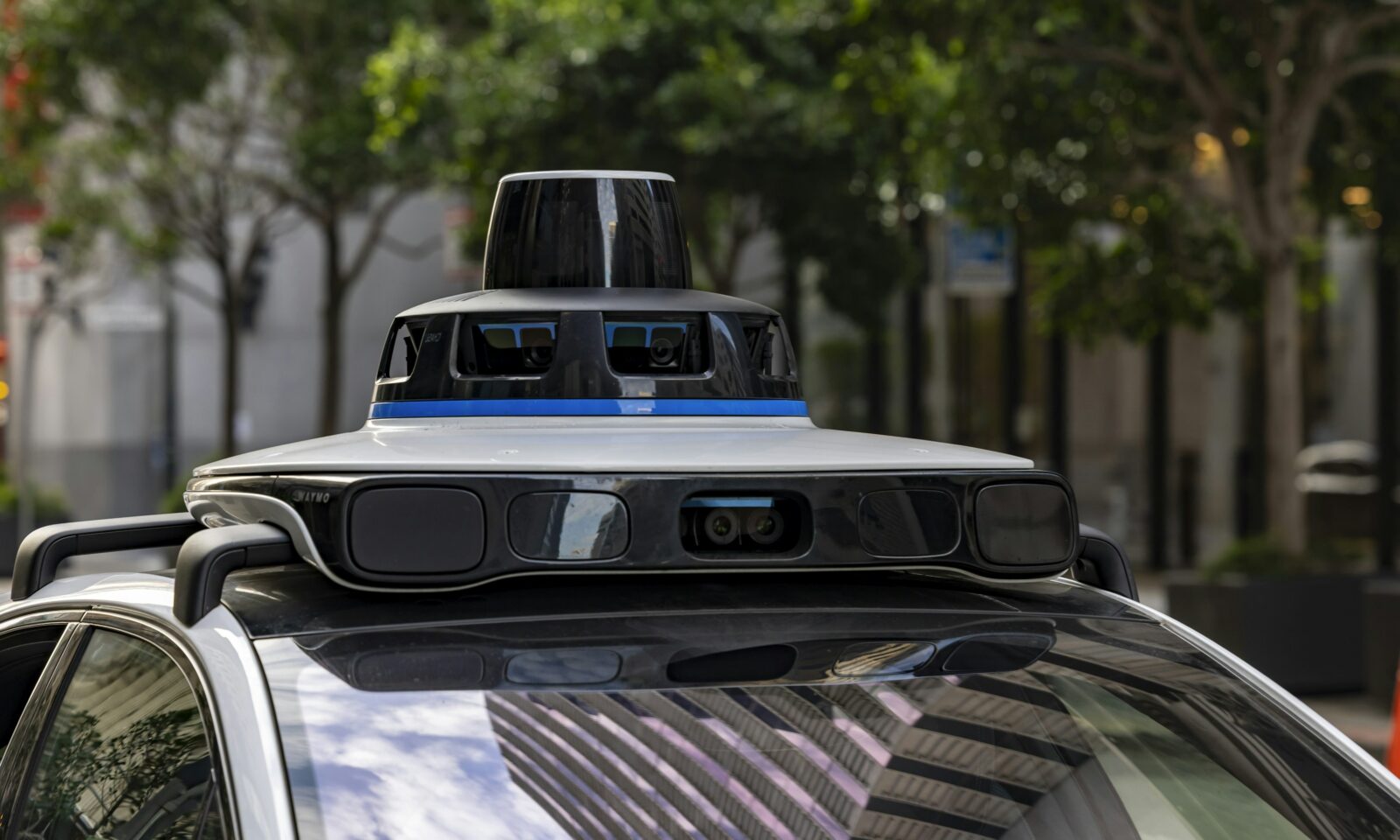
Waymo announced plans on Oct. 16, 2026, to prepare for autonomous ride-hailing in Toronto, with a goal of carrying its first local riders in 2028. The initial activity is mapping and testing, not the opening of a public driverless service.
Rapid News Brief
Mapping precedes passenger service
In its Toronto announcement, Waymo said vehicles would begin appearing on local streets in the coming days with people driving them manually. High-definition mapping comes before testing with trained autonomous specialists behind the wheel.
The company described a phased approach intended to adapt its system to Toronto’s driving conditions. The 2028 rider date is a company goal, not a currently available booking date or a guarantee that every deployment milestone has been completed.
Element takes on fleet operations
Element Fleet Management separately announced that it would support the planned Toronto operation. Its responsibilities include coordinating facilities, people and vehicle operations, with capabilities covering maintenance, charging infrastructure and energy management.
Element said the Toronto expansion follows a multiyear partnership announced in June that began with support for Waymo in San Diego. The Canadian company is supplying operational support rather than announcing its own autonomous-driving system.
Waymo and its partners expect to invest in hundreds of roles over time, including maintenance, validation driving, customer service and other operational functions, according to Element’s release. That is a forward-looking staffing plan, not a count of jobs already filled.
The business milestone to watch
The announcements establish preparations for a new market and identify a fleet-operations partner. They do not establish passenger demand, local operating economics or the performance of a future commercial service.
For transportation and fleet businesses, the distinction is practical: maintaining vehicles and infrastructure remains part of the deployment plan even when the intended passenger service is autonomous. Progress should be assessed against subsequent testing and service announcements, rather than treating a mapping vehicle on the street as evidence that paid driverless rides have begun.