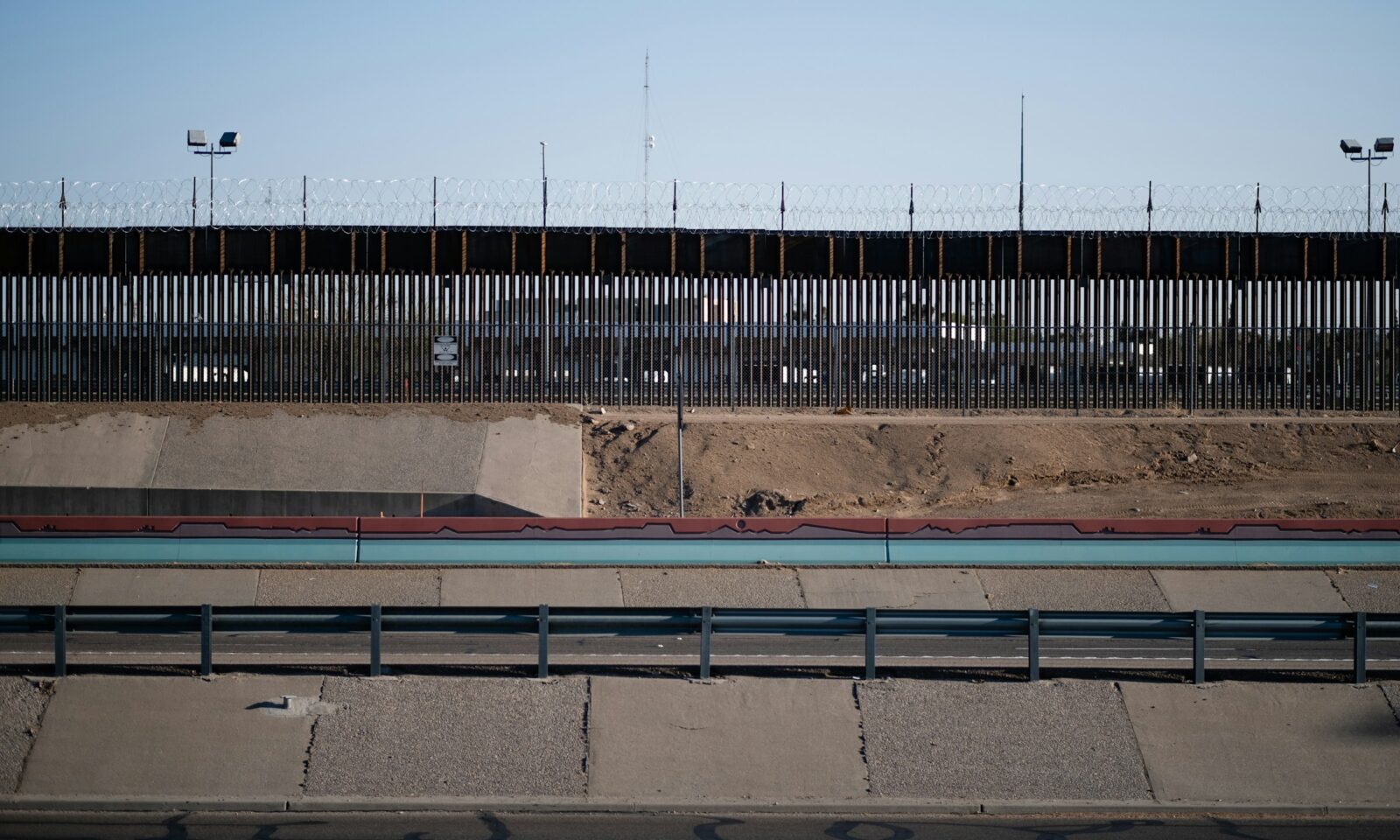
Rapid News Brief. U.S. Customs and Border Protection has begun installing border-wall panels in the Big Bend region of West Texas, moving a large federal infrastructure program into active construction across one of the border’s most remote stretches.
The Associated Press reported Sept. 18 that the first panels went up Sept. 15 in a 47-mile project area in Hudspeth County known as Big Bend 1. The agency told AP that panel installation was underway. For contractors, landowners and local agencies, that shifts the project from planning and site preparation into visible execution.
What has started
The Big Bend sector covers more than 500 miles of river boundary, according to CBP’s public description of the region. The current work is one part of a broader federal effort that AP valued at $46 billion and said includes steel barriers, patrol roads and detection technology.
AP also reported that CBP is now averaging 12 miles of new barriers a week along the southern border and has completed 200 miles since the second Trump administration began. Those figures point to a faster procurement and construction cycle, with potential demand across steel fabrication, heavy equipment, logistics, surveying and civil engineering.
Local resistance remains a project risk
The construction is proceeding as landowners, ranchers, businesses and environmental groups challenge other planned Big Bend projects. Their concerns include property access, flooding, tourism and effects on sensitive landscapes. A lawsuit filed this week seeks to stop parts of the regional buildout, AP reported.
The Big Bend 1 work is separate from a project in Big Bend National Park that the administration temporarily paused while engaging opponents. That distinction matters: construction can advance in one corridor while legal, environmental and community disputes delay or reshape another.
What businesses should watch
The near-term operating questions are whether land access disputes affect schedules, how contracts are divided among project areas and whether litigation changes design or sequencing. Regional businesses should also watch road use, staging activity and workforce demand as materials and crews move into sparsely populated counties.
For federal suppliers, the pace is the key signal. A program moving at 12 miles a week rewards contractors that can manage remote logistics, compliance and coordination across multiple construction zones without losing schedule control.