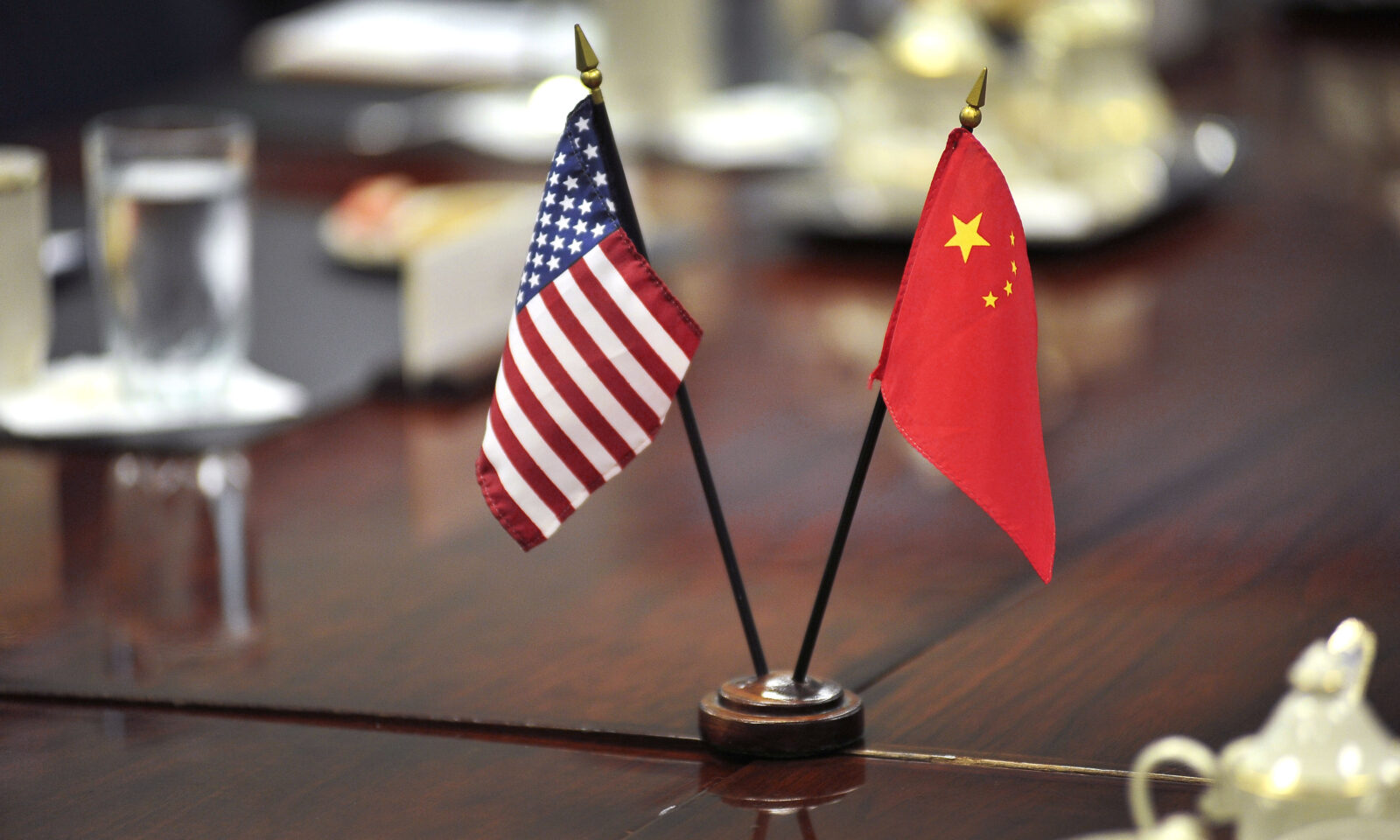
Rapid News Brief: U.S. Treasury Secretary Scott Bessent said on Sept. 20 that Washington proposed an incident-notification channel with China for artificial intelligence events that rise to a national-security level, putting a concrete risk-management idea on the agenda before the countries’ leaders meet this week.
Bessent disclosed the proposal after talks in New York with Chinese Vice Premier He Lifeng. The two sides discussed creating a broader U.S.-China dialogue on AI as officials prepared for a scheduled Sept. 24 meeting between President Donald Trump and Chinese President Xi Jinping.
The mechanism remains a U.S. proposal
China has not publicly accepted the notification system. Xinhua, China’s state news agency, confirmed that the delegations held discussions on AI-related issues but did not describe an agreement or the proposed channel’s operating rules.
That distinction matters. The proposal is an attempt to establish a route for communication, not a binding pact. Public accounts did not specify which incidents would trigger a notice, how quickly either government would have to respond or which agencies would operate the channel.
AI risk moves into bilateral operations
The talks shift part of the AI-safety debate from general principles toward crisis procedure. A notification channel could be relevant if an AI-enabled cyberattack, major model failure or other event created consequences across borders or was mistaken for deliberate state action.
Reuters reported that advanced AI chips and semiconductor-manufacturing equipment were not part of the proposed dialogue. That separation suggests officials are trying to explore shared safety interests without resolving the harder technology-control disputes that define the broader U.S.-China competition.
Companies should watch the reporting threshold
For AI developers, cloud providers and critical-infrastructure operators, the practical question is what evidence governments could eventually demand when an incident reaches a national-security threshold. Any formal system would need reliable internal logging, rapid escalation and a process for separating technical failures from hostile activity.
The summit may show whether the proposal advances beyond preliminary talks. Until then, executives should treat the channel as an early policy signal rather than an established reporting obligation.