Huawei unveiled the Atlas 960E SuperPoD and a broader portfolio of AI infrastructure on Sept. 17, 2026, presenting a system-level challenge to Nvidia as U.S. technology restrictions continue to limit China’s access to advanced chips. The announcement at HUAWEI CONNECT 2026 in Shanghai is less a conventional processor launch than a statement about where the AI hardware contest is moving: from the performance of a single accelerator to the efficiency of an entire computing system.
The distinction matters for enterprise technology leaders. Large AI models depend on thousands of processors exchanging data at high speed. When access to the most advanced individual chips is constrained, architecture, networking, memory and software become alternative sources of performance. Huawei is attempting to own all four.
What Huawei announced
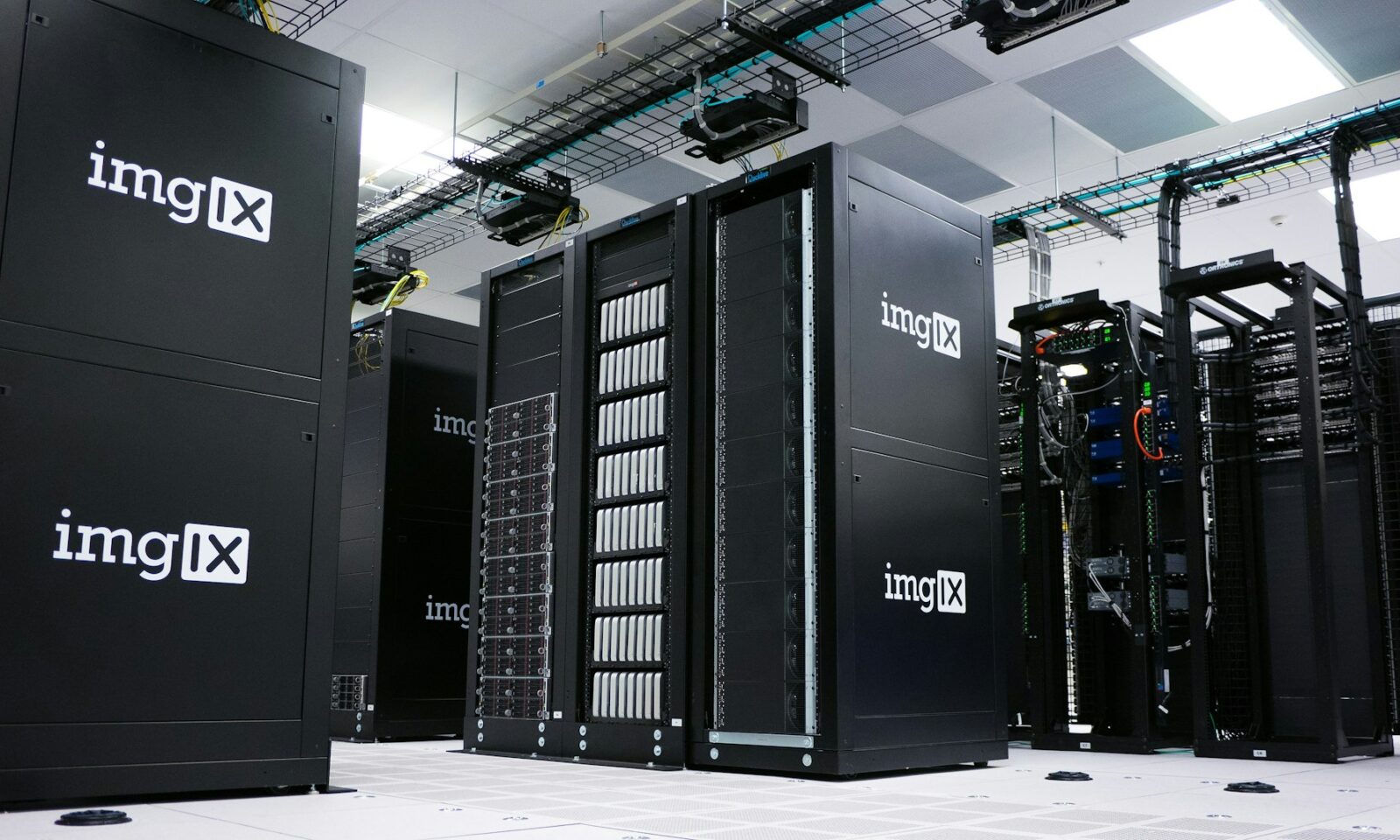
According to Huawei’s product announcement, a single Atlas 960E SuperPoD can scale to 4,096 Ascend neural processing units and provide 8 exaflops of FP8 computing performance with as much as one petabyte of high-bandwidth memory. The system uses the company’s Hi-ONE optical interconnect product and UnifiedBus technology to coordinate the processors.
Huawei says the configuration uses 5,500 Hi-ONE units in place of 48,000 conventional 800-gigabit optical modules. The company claims that change reduces power consumption by more than 550 kilowatts and helps the system reach 99.8% availability. Those are vendor claims, not independently benchmarked results, and procurement teams will need workload-specific testing before treating them as comparable to competing systems.
The roadmap extends beyond the current cluster. Huawei said the Ascend 960DT chip is due in the first quarter of 2027 and the Ascend 960PR in the third quarter. Ascend 970 and 980 products are planned for 2028 and 2029. The company also introduced an upgraded TaiShan 950 SuperPoD and OceanStor M900 storage designed to hold the key-value cache used in AI inference.
The competitive unit is becoming the system
The Associated Press reported that Huawei positioned the new technologies as a challenge to Nvidia while China pursues greater technological self-reliance. That framing is important, but it can obscure the practical strategy. Huawei does not need every processor to beat the fastest U.S. accelerator on a one-to-one basis if it can connect more processors efficiently and give customers a usable development environment.
The company’s Peerium Computing Architecture is designed to make very large groups of processors operate as one system through nested parallelism, unified memory addressing and peer interconnects. Huawei says an Atlas 950 cluster with 256,000 cards is already being deployed, while the NPO-based Atlas 960 system is in testing.
This is the same strategic terrain on which Nvidia has built its advantage. Nvidia’s position comes not only from GPUs but from networking, systems, the CUDA software ecosystem and years of optimization. Huawei’s answer combines Ascend chips, optical networking, storage, CANN software and an expanding developer base. It is an effort to reduce dependence across the stack rather than replace one imported component.
Software adoption remains the harder test
Hardware scale alone does not create a competitive platform. Developers need reliable tools, familiar frameworks, documentation and support. Huawei said its Kunpeng ecosystem has attracted 4.16 million developers, that Ascend works with more than 90 major open-source projects and that PyTorch now officially supports Ascend as an accelerator backend. The company is also moving CANN toward community-driven open-source development.
Those steps lower switching costs, but the size of a registered developer population does not reveal how many production workloads run well on the platform. Enterprise buyers will be looking for model compatibility, predictable performance, security controls and a supply chain that can support multiyear deployments. Export restrictions may strengthen demand inside China while narrowing adoption in markets where procurement is shaped by security policy or political risk.
What executives should watch next
The immediate question is whether Huawei can deliver the announced systems at scale and whether independent tests validate its efficiency and availability claims. A second test will be how quickly software vendors and model builders optimize for Ascend rather than merely declaring compatibility. The third is customer concentration: strong deployment inside state-linked or domestic enterprises would prove capacity, but a broader commercial customer base would say more about competitiveness.
For global technology leaders, the larger lesson is that semiconductor restrictions do not freeze a rival’s capabilities. They change the design problem. Huawei is responding by treating networking, memory, software and orchestration as ways to offset chip constraints. The result may be a more fragmented AI infrastructure market, with different hardware and software stacks serving different regions. That fragmentation would affect procurement, cloud strategy, application portability and the economics of scaling AI.