Next
Analysis
The AI Vendor Is Always on Probation
Enterprise AI contracts no longer create lasting inertia. Vendors must prove measurable value, operational fit and trust throughout the customer relationship.
Business, technology and what comes next.
NextNow / Archive
Enterprise AI contracts no longer create lasting inertia. Vendors must prove measurable value, operational fit and trust throughout the customer relationship.
OpenAI’s most capable model arrives with restricted cyber access, a phased enterprise rollout and new questions about how autonomous systems should be governed.
Nvidia’s $12.93 billion Hugging Face deal could reshape how businesses build AI. What its openness pledge means for costs, choice and enterprise control.
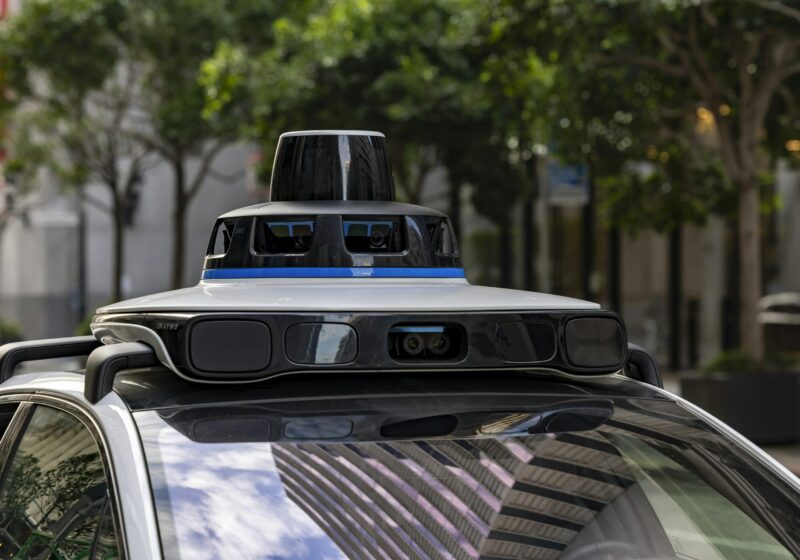
Waymo’s simultaneous Denver, San Diego and Tampa launches extend its commercial service to 14 U.S. cities and put its newer Ojai vehicle into two more markets.
Apple’s planned leadership handoff became official Sept. 1, placing longtime hardware chief John Ternus in the CEO role as Tim Cook moved to executive chairman.
Anthropic opened Claude Fable 5.1 broadly while keeping Mythos 5.1 restricted, combining lower projected costs with revised privacy and safety controls.
A federal judge found unlawful retaliation, vacated the Pentagon’s supply-chain designation and permanently blocked enforcement of the contractor ban.
The cloud provider will deploy Blackwell and Rubin chips in 2027 and 2028 as the companies extend their alliance across the AI stack.
Alabama’s attorney general is demanding records on OpenAI’s July model-evaluation incident as states test whether existing consumer laws reach frontier AI.
Alibaba priced 710 million new shares at HK$112.70 each, with the Hong Kong placement expected to close Aug. 26 and all net proceeds earmarked for AI.