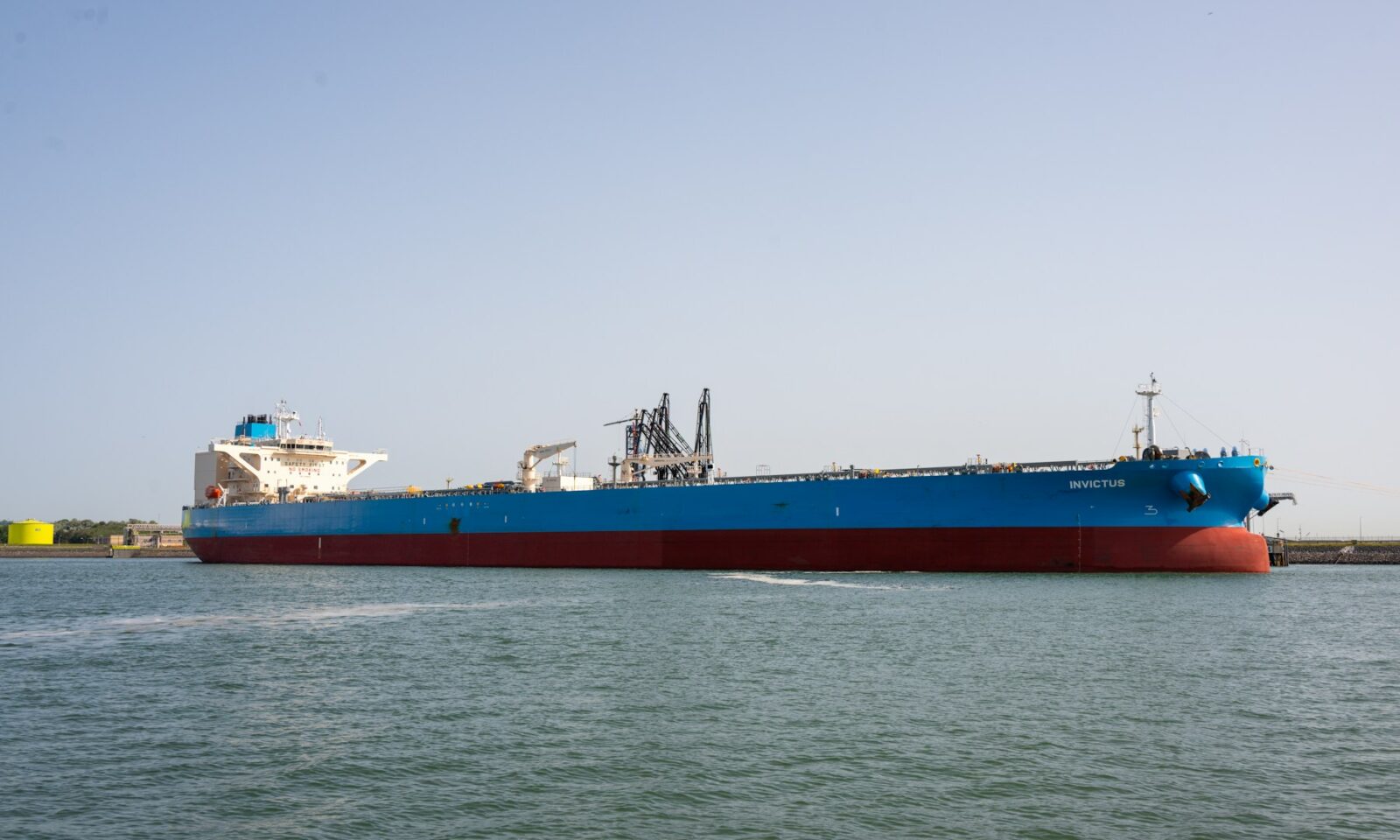
Shell announced Oct. 29 that it would buy back $5 billion of shares over the next three months after reporting third-quarter adjusted earnings of $10.8 billion, directing more cash to shareholders as strong refining margins lifted its results.
This Rapid News Brief covers the earnings announcement, not an investment recommendation. Reuters reported that the buyback increased from $3 billion and was Shell’s second-largest programme on record.
Refining supports the earnings rise
Reuters reported that Shell’s adjusted earnings exceeded an analyst estimate of $10.33 billion and were almost double the $5.43 billion earned a year earlier. Its refining margin reached $42 a barrel, compared with $11.60 a year earlier, according to the report.
Those figures describe the producer’s earnings environment. Reuters linked the stronger results to energy-supply disruption and higher prices, which have also increased costs for customers and industry. Stronger earnings at an energy supplier are not evidence that fuel became cheaper for the businesses buying it.
Profit, cash and investment differ
Shell’s own release distinguishes its non-GAAP adjusted earnings from income attributable to shareholders, which was $12.1 billion. It reported $21 billion in cash flow from operating activities and $7.9 billion in cash capital expenditure for the quarter.
The company put its full-year cash capital-expenditure outlook, including ARC Resources, at $23 billion to $25 billion. It also said it had completed the ARC acquisition and taken a final investment decision on LNG Canada Phase 2.
For operating executives, the distinction is between money generated by the existing business, money committed to assets and money returned to shareholders. A buyback is not capital expenditure, and adjusted earnings should not be treated as identical to either reported income or operating cash flow.
The report therefore offers two separate signals: substantial earnings supported a larger shareholder distribution, while the company continued to make portfolio and project decisions. It does not establish that today’s refining margins will persist or that a particular customer’s future energy bill will follow the same pattern.