Americans are becoming more concerned about the environmental cost of artificial intelligence as data-center construction expands, according to an AP-NORC poll released Sept. 16. Fifty-three percent of U.S. adults said they were extremely or very concerned about AI’s environmental impact, up from 41% in 2025.
The survey of 3,424 adults also found that 47% expect AI to do more harm than good to the environment, compared with 33% last year. The margin of sampling error was plus or minus 2.2 percentage points.
Concern rose fastest among younger adults
The shift was especially pronounced among people ages 18 to 29. Sixty percent in that group reported high concern, up from 38% last year, moving younger adults from levels similar to other age groups to the highest concern in the poll.
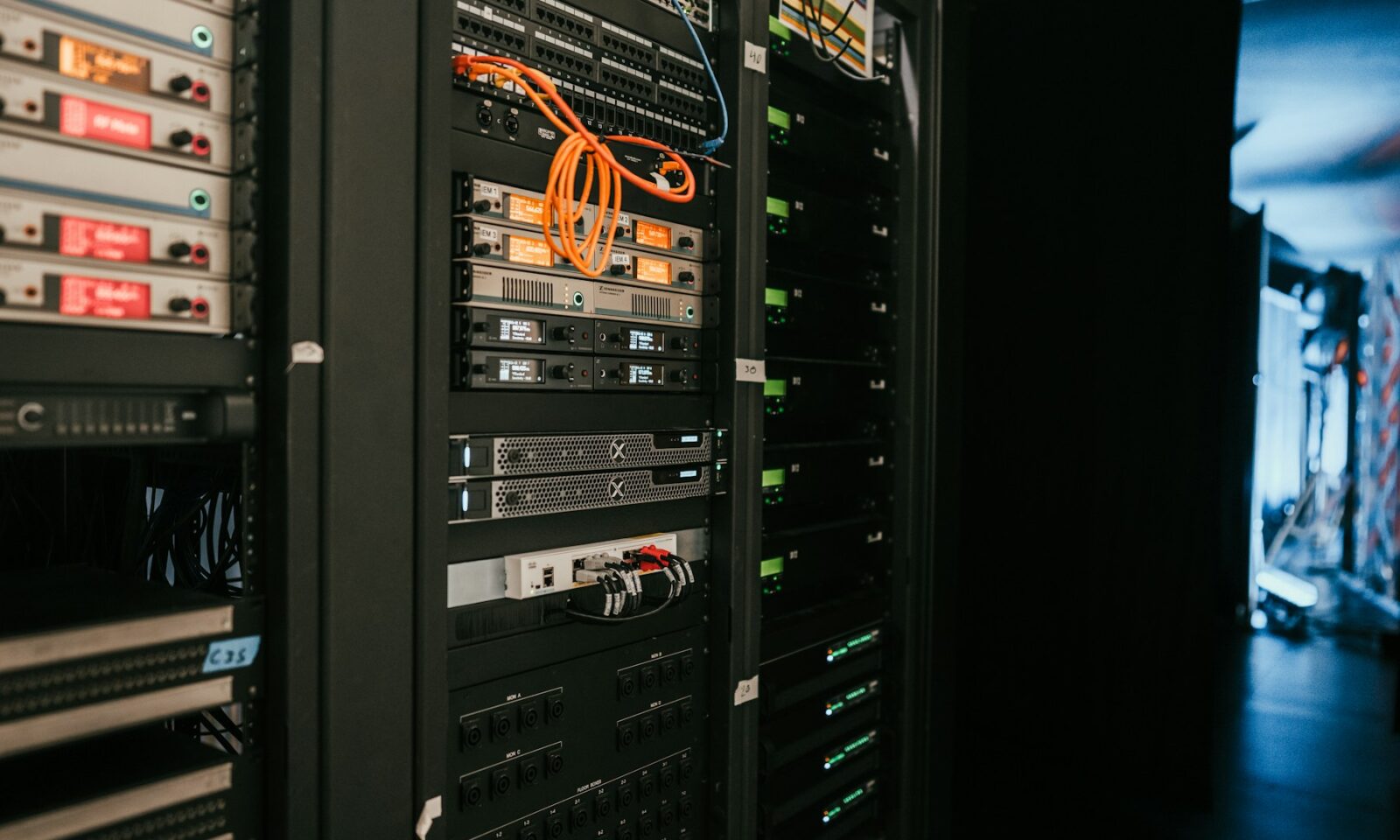
The findings arrive as the infrastructure behind AI becomes more visible in local communities. TechCrunch reported on community opposition and moratorium campaigns tied to potential effects on air quality, electricity, water and household costs. That local resistance now has a broader national signal behind it.
Policy support crosses party lines
About six in 10 adults support limiting how many new data centers can be built, The Associated Press reported. Roughly two-thirds support requiring data centers to use clean energy, including majorities of Democrats and Republicans. Most respondents also support making data centers cover the cost of electric-grid upgrades.
The concern is tied to the scale of expected demand. A Lawrence Berkeley National Laboratory report estimates data centers could account for 11.8% of U.S. electricity consumption by 2030, with a modeled range of 9.5% to 15.3%.
Why it matters for AI operators
Public acceptance is becoming an operating constraint for AI infrastructure, not simply a communications issue. Developers, utilities and technology companies increasingly need to show who pays for grid expansion, how water and power demand will be managed, and what economic benefits remain in host communities.
The poll does not establish that every proposed facility will face opposition. It does show that support for AI growth cannot be assumed even when people value the technology. For executives planning new capacity, community trust, energy sourcing and cost allocation now belong in site-selection and risk reviews from the start.