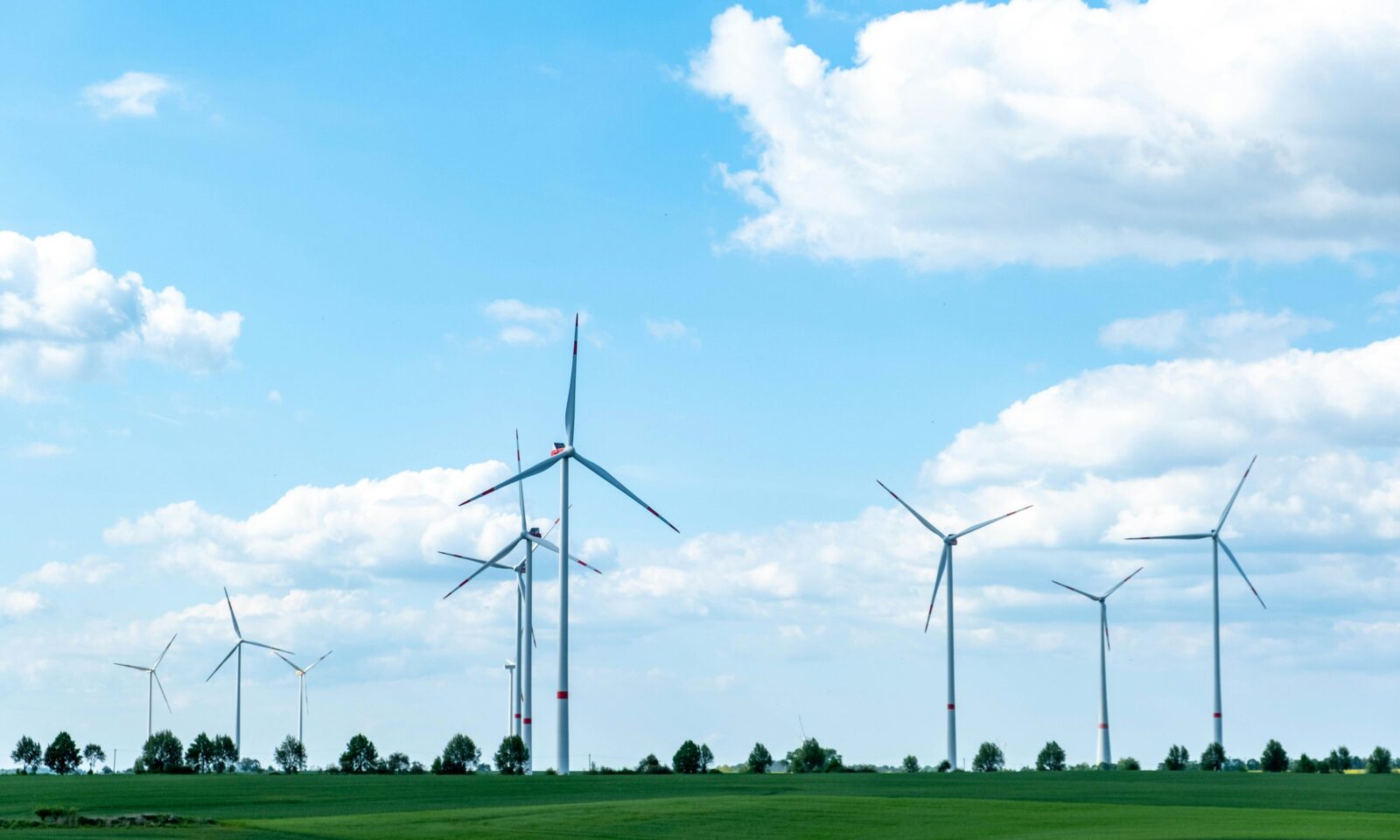
The International Energy Agency projected Nov. 6 that emerging and developing economies outside China would match advanced economies’ additions of renewable power capacity during 2026-31, widening the growth markets for project developers and equipment suppliers.
Its Renewables 2026 outlook forecasts almost 4,800 gigawatts of new renewable capacity over that period, with solar accounting for more than three-quarters of the increase. The figures describe expected capacity additions, not electricity already delivered.
Rapid News Brief: A broader growth market
Reuters reported projected additions of about 1,100 GW each for emerging and developing economies outside China and advanced economies, compared with roughly 2,550 GW for China. China would remain the largest contributor to global expansion.
The IEA identifies India as the second-largest growth market, with renewable capacity forecast to more than double by 2031. It expects additions across Southeast Asia, the Middle East and North Africa, and sub-Saharan Africa to nearly triple compared with the previous six-year period.
The IEA said some governments have accelerated targets or existing deployment plans in response to energy-security concerns. Axios also noted that higher European electricity prices had not yet produced a measurable acceleration in installations, according to the IEA. Regional conditions remain important despite the larger global forecast.
Grid access constrains delivery
The agency reports that advanced-stage renewable-energy and storage projects awaiting grid connections reached 3,000 GW worldwide, up 60% over the past year. That queue measures projects awaiting access to networks, not generating capacity already connected.
The longer-term outlook also does not imply uninterrupted annual expansion. The report’s electricity chapter forecasts an 11% decline in global renewable-capacity additions in 2026 before a gradual recovery, primarily reflecting slower solar deployment in China.
For businesses planning electricity procurement or supplying new projects, the distinction is between a growing addressable market and the infrastructure needed to serve it. The IEA identifies grid investment, faster connections, storage and more flexible electricity demand as priorities for turning renewable expansion into reliable energy supplies.