David Deno takes over as Cracker Barrel’s chief executive Monday with the usual turnaround questions waiting for him: traffic, margins, growth and execution.
He is also inheriting something less visible and potentially just as consequential: a brand that spent the past year learning how little room it had to change without bringing customers along.
Cracker Barrel announced Deno’s appointment in July, saying the former Bloomin’ Brands chief executive would succeed Julie Masino on Aug. 10. Masino will remain in an advisory role through Oct. 9, according to the company’s investor relations materials.
The leadership transition comes nearly a year after Cracker Barrel’s attempt to modernize its visual identity triggered unusually intense backlash. The company briefly replaced its decades-old logo, removing the familiar “Uncle Herschel” figure and barrel, before reversing course. It also abandoned parts of a broader store modernization plan.
Reuters reported that the backlash included criticism from conservatives and President Donald Trump and that the company later acknowledged an impact on store traffic. The Associated Press also noted the connection between the abandoned rebrand and the customer reaction that followed.
It would be easy to reduce the episode to a familiar lesson: Don’t change a beloved logo.
That is too simple.
The problem was not change. It was ownership.
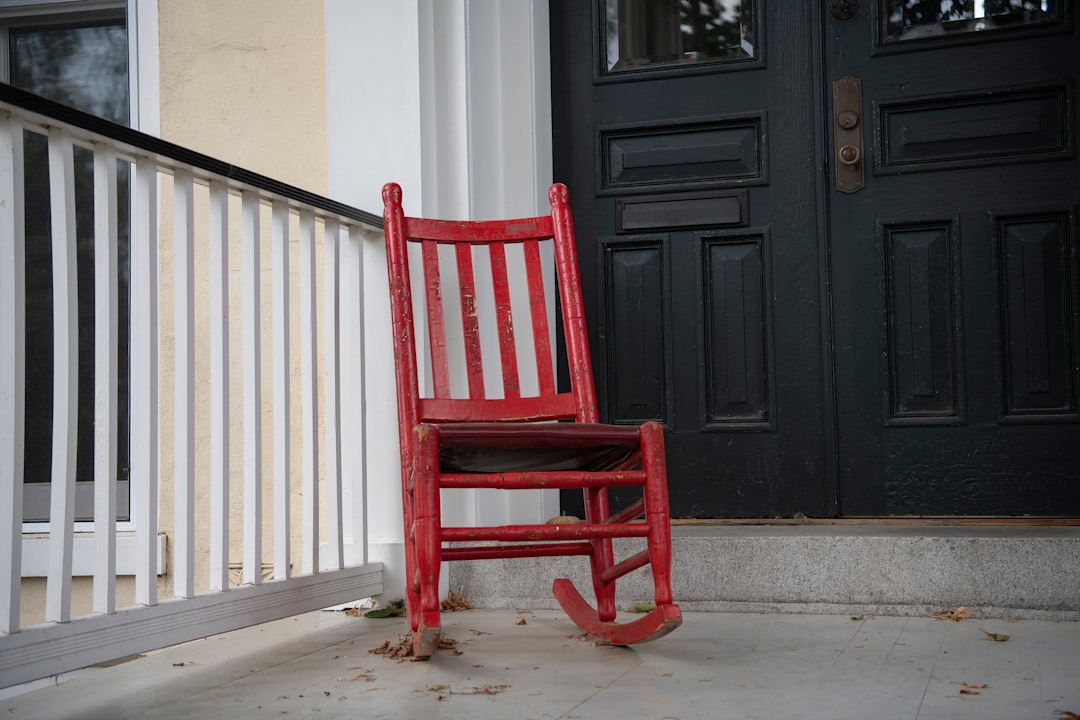
Brands such as Cracker Barrel are not experienced by customers as ordinary corporate assets. Their visual language becomes part of a shared ritual. The porch, the rocking chairs, the barrel, the old-time lettering and the restaurant interiors are not separate design decisions to many customers. Together, they signal what the brand is supposed to mean.
That creates a different design problem from the one faced by a young company.
A startup can redesign in order to clarify what it wants to become. A heritage brand has to account for what customers believe it already belongs to. The older and more culturally specific the brand, the less freedom leadership has to treat identity as a top-down exercise.
That does not mean a legacy brand should stop evolving. It means evolution has to be governed differently.
The strongest heritage-brand redesigns preserve recognizable anchors while improving the system around them: typography, digital legibility, packaging consistency, retail applications, photography, wayfinding and architecture. The customer should feel that the brand has become more coherent, not that the company has decided its history is an obstacle.
Deno now inherits brand-change debt
The failed redesign matters because the next change will not begin from neutral ground.
Customers who disliked the previous overhaul now know that coordinated backlash can force a reversal. Employees and franchise stakeholders, where applicable, have seen how quickly a design decision can become a political and cultural story. Executives will know that even routine modernization can be interpreted through the lens of the earlier controversy.
That creates what might be called brand-change debt: the accumulated skepticism a company carries into its next attempt to evolve.
Deno’s job, then, is not simply to decide what Cracker Barrel should look like next. It is to rebuild confidence in the process by which the company makes those decisions.
That could mean more visible customer research, smaller pilots, clearer explanations of what is changing and what is not, and a greater willingness to test design changes in context before treating them as a new corporate identity.
The design function becomes less about unveiling and more about sequencing.
Why it matters
The Cracker Barrel episode is a useful warning for every mature consumer brand trying to modernize for a new generation.
Recognition is not the same thing as nostalgia, and preservation is not the same thing as refusing to evolve. But when visual assets have accumulated decades of emotional meaning, removing them can create a cost that is difficult to measure in a style guide.
The next era of Cracker Barrel will require operational work, financial discipline and a clearer growth strategy. It will also require something design teams do not always get measured on: knowing which parts of a brand are available to change and which parts customers believe are theirs.