Analysis
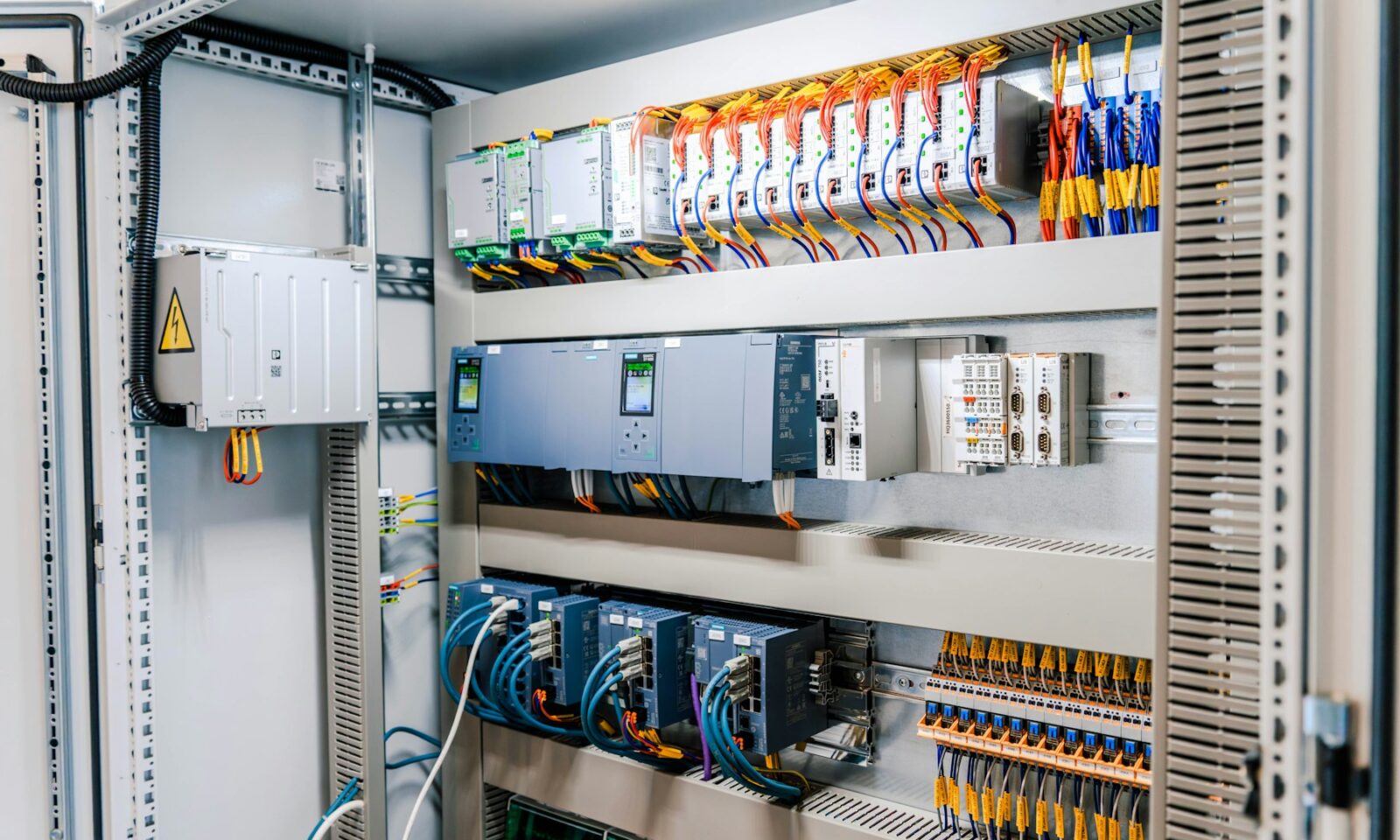
CISA, the FBI and three other U.S. departments warned Nov. 5 that malicious actors are targeting industrial refrigeration and cold-chain monitoring systems worldwide, bringing equipment controls and remote maintenance into the operating-risk decisions of businesses that depend on refrigerated storage.
The executive question is who can account for those connections, authorize changes and keep a site operating when access must be restricted. This analysis examines the ownership decisions behind the agencies’ technical recommendations; it does not assess the safety of any particular installation or stored product.
A warning broader than one incident
The joint U.S. advisory says attackers may exploit unpatched or internet-accessible controllers to alter temperatures or defrost cycles. It also warns that operators could lose visibility into current temperatures. Those are potential consequences, not a finding that every connected system is compromised.
The European Commission’s Nov. 4 statement reported refrigeration incidents in several EU countries since Oct. 11, followed by another wave Nov. 1–2. It said national authorities were investigating and coordinating their response. The statement did not identify a perpetrator.
Geography still matters. In its Oct. 14 alert, Australia’s cyber agency said it knew of incidents overseas but had not seen active targeting in Australia at that time. That dated observation is not an assurance about conditions today.
Together, the warnings warrant a review of exposure. They do not establish a worldwide victim count or justify treating every equipment failure as a cyberattack. Management needs an account of its own systems rather than an assumption drawn from the headlines.
Name an owner for each connection
The UK-led multinational OT connectivity guidance, published in January, calls for a documented business case for connections. It includes their purpose, benefits, introduced dependencies and a senior risk owner. It also addresses the ability to influence suppliers’ security controls and understand the components they provide.
For an executive team, that provides a way to make the discussion specific. A remote-support link can have a legitimate operating purpose while still needing an accountable owner. The relevant question is not whether a supplier is involved, but which decision remains with the operator and who can make it when the supplier is unavailable.
A review shared by facilities, technology and procurement leaders can distinguish responsibility for maintaining equipment from authority to change its connections. The practical output would be a named decision-maker and an agreed escalation route, not simply another copy of a supplier contact list. This is an operating-model inference, not a reported finding about how companies currently allocate those roles.
Separate repair from replacement
The U.S. agencies recommend keeping firmware current and establishing a lifecycle process to retire and replace unsupported equipment. Their recommendations also include securing necessary remote access, removing unnecessary access and restricting public internet exposure.
The January guidance treats protective controls around obsolete products as temporary measures while organizations establish a replacement timeline. That distinction makes equipment support status relevant to capital planning, rather than leaving it solely within a routine software-update queue.
NIST’s OT security guide abstract explains that these systems interact with the physical environment and have particular performance, reliability and safety requirements. The final Revision 3 dates to 2023; it is background, not a new refrigeration-specific directive.
For managers, the implication is to ask separate questions about an available repair and an unsupported asset. A patch plan needs a responsible technical team and an operating window. A replacement decision also needs purchasing authority and a schedule. Neither question is answered by knowing only the age of the refrigerator or the renewal date of a maintenance agreement.
Test what remains visible
The multinational guidance calls for tested isolation plans linked to business continuity, with attention to third-party support and critical data flows. It cautions that isolation itself can have operational consequences. This is not a recommendation to disconnect working installations without site-specific technical assessment.
Reuters reported that CISA official Chris Butera urged every organization dependent on refrigeration and monitoring to assume it could be targeted. That is a warning about exposure, not confirmation that any particular operator has been breached.
The ownership test is therefore concrete: Can the people authorizing restrictions explain what monitoring, support and operating capability will remain? A written answer, tested with the relevant technical and site teams, is more useful than a general declaration that cybersecurity belongs to IT. The business objective is continuity with accountable decisions, not a promise that one control eliminates the risk.
Related coverage: French blood service reports cold-storage cyber incident.