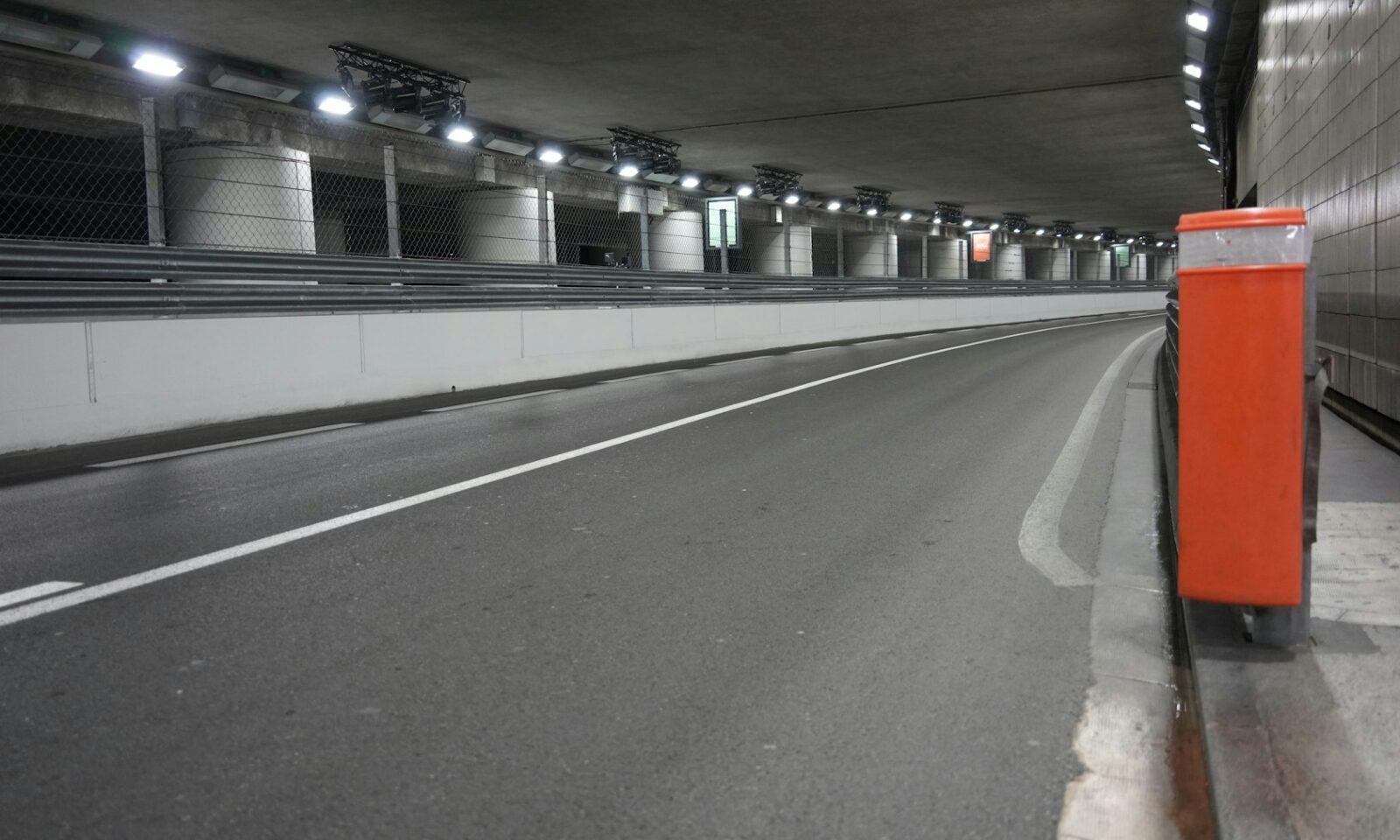
Elon Musk’s The Boring Company raised $3 billion in a Series D financing that values the tunneling venture at $23 billion, the company announced Sept. 9. The deal ties one of the year’s largest private infrastructure-technology rounds to an ambitious buildout in the United Arab Emirates.
The round was led by the UAE and affiliated investment entities. The company identified Human Capital, Vy Capital, Valor Equity Partners, Sequoia Capital, Andreessen Horowitz, Temasek, Shamal Holding and Baron Capital among the other investors. Reuters and TechCrunch independently reported the financing and valuation after the announcement became public.
Fresh capital is linked to a major deployment market
The Boring Company said the financing will accelerate plans for more than 150 kilometers, or about 93 miles, of underground infrastructure across the UAE. That program is separate from the previously awarded Dubai Loop pilot, which the company describes as 6.4 kilometers of tunnel and four stations.
The company said it will also use the proceeds to expand hiring in engineering, production and operations; advance its Prufrock tunnel-boring platform; and scale projects in Las Vegas, Nashville and Dubai. Those plans put execution—not fundraising—at the center of the next phase. Large tunnel networks require permits, construction capacity, operating coordination and sustained demand long after a financing announcement.
The valuation has quadrupled since 2022
The new $23 billion valuation is roughly four times the $5.675 billion value attached to The Boring Company’s $675 million Series C round in 2022. The jump reflects investor confidence in a company that is moving beyond its initial Las Vegas convention-center system, although the private valuation is not itself evidence that the planned networks will be completed on schedule or meet their operating targets.
The Boring Company says its Las Vegas network has carried more than 4 million passengers and that local authorities have approved a wider network of 123 stations. It also began tunneling the Music City Loop in Nashville after receiving a Tennessee transportation permit in February. In Dubai, the company says precast production for the pilot is underway and construction is planned to begin later in 2026. Those project details are company-reported and remain the key milestones to verify as the buildout progresses.
Why business leaders should watch the model
For executives, the significance is the structure of the expansion. The lead investor is also the market where the company expects its largest new deployment, aligning capital, public infrastructure priorities and a potential anchor customer around the same growth plan. That can shorten the distance between financing and commercial work, but it also concentrates delivery expectations in a high-profile partnership.
The round also shows how capital-intensive technology companies are being judged differently from software startups. The central questions are not only user growth or recurring revenue. They include construction speed, cost per mile, system reliability, regulatory approvals and whether a repeatable machine-and-operations model can travel from one city to another.
The next proof points will come from contracts, completed tunnel mileage and operating performance. If The Boring Company can translate the UAE commitment into a functioning multi-city program while expanding in the United States, it could establish a new playbook for exporting privately developed urban infrastructure. If timelines or economics slip, the scale of the new valuation will make the gap more visible.