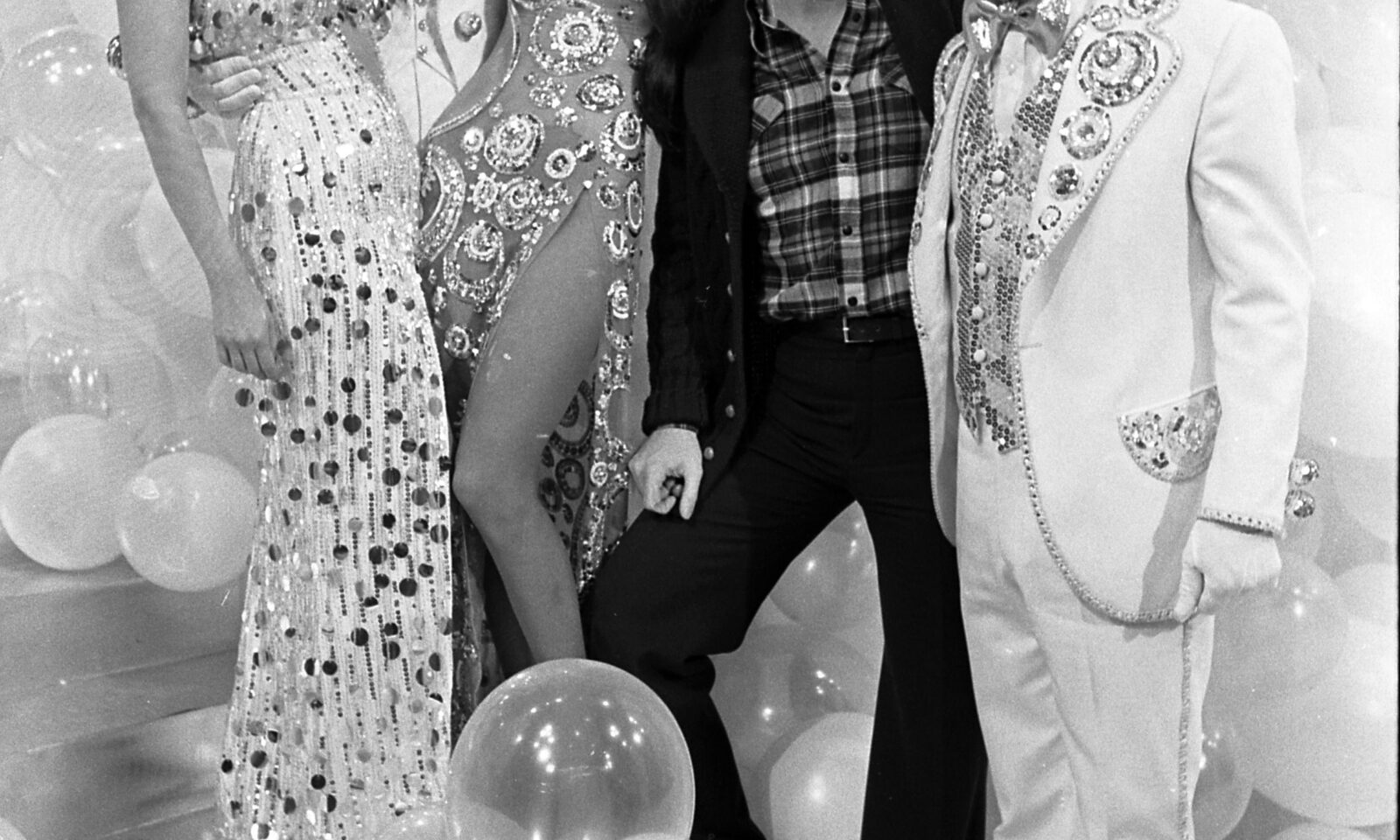
Bob Mackie, the costume and fashion designer whose work helped define the public images of Cher, Carol Burnett and generations of entertainers, died Monday, Sept. 14, at age 87. His death closes a career that turned stage clothing into an enduring form of celebrity identity and entertainment branding.
Mackie’s official Instagram account announced his death, saying he had fulfilled his lifelong ambition to work as a fashion and costume designer. An NPR report independently confirmed the announcement and described a career spanning more than six decades.
A visual language built for performance
Mackie began working as a sketch artist in 1961 for costume designers including Edith Head and Jean Louis, according to his official biography. He created the original sketch for the rhinestone dress Marilyn Monroe wore while singing to President John F. Kennedy and later designed the wardrobe for the full 11-year run of The Carol Burnett Show.
His partnership with Cher became particularly influential. Mackie’s dramatic silhouettes, dense embellishment and theatrical reveals gave the performer a visual system recognizable across television, concerts and red carpets. His official biography credits him with nine Emmy Awards, three Academy Award nominations and a 2019 Tony Award for The Cher Show.
Costume design became a scalable brand asset
Mackie’s commercial reach extended beyond one-off costumes. His work moved into ready-to-wear, collectible Barbie dolls, QVC apparel, home furnishings and licensing partnerships. That expansion showed how a distinctive design language could travel from a performer’s body to retail products without losing its identity.
For entertainment executives and brand leaders, that is the business lesson inside Mackie’s legacy. He did not simply make celebrities look glamorous. He helped make their public personas legible at a glance, then translated that recognition across media, venues and merchandise.
A template for the image-driven economy
Today’s celebrity businesses are built across social feeds, tours, streaming platforms and direct-to-consumer products. Mackie developed an earlier version of that system through television and live performance, using consistency without repetition. Every look could be new while still unmistakably belonging to the same creative world.
His death marks the loss of a designer who understood that costume could do more than decorate a performance. It could establish character, create a cultural memory and become intellectual property with value far beyond a single appearance.