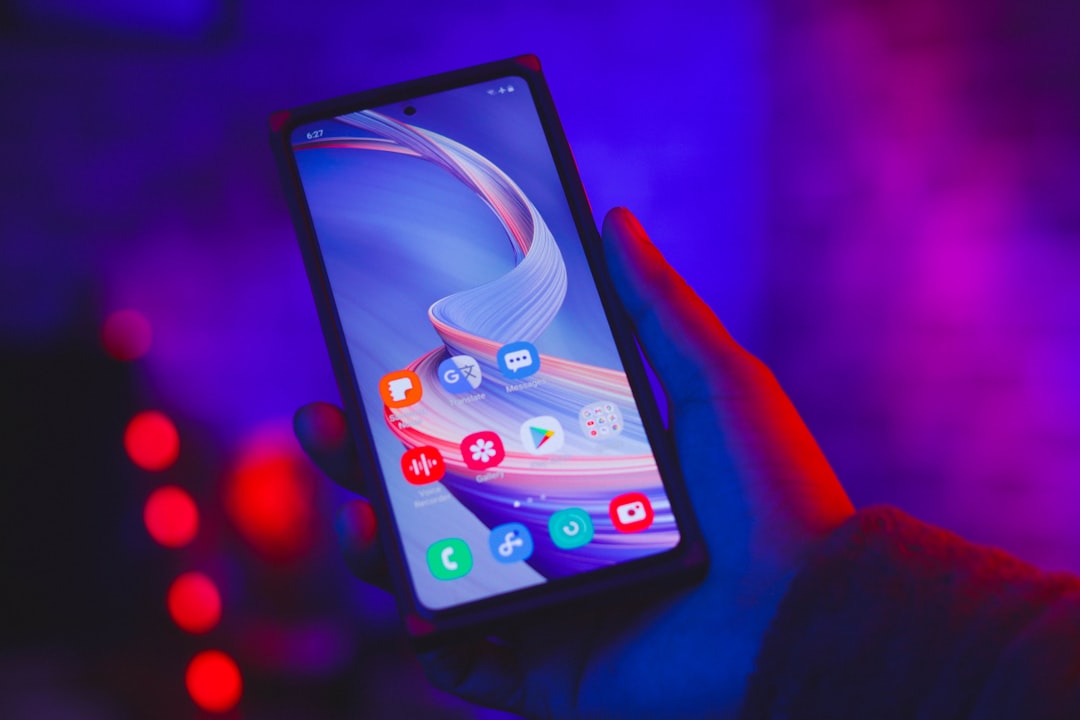
Apple has finally entered the foldable-phone market, and the first reaction is exactly what you would expect from a $1,999 iPhone that opens like a book: fascination mixed with sticker shock.
The iPhone Duo, unveiled this week, is Apple’s first foldable iPhone and the biggest change to the basic shape of the device in years. Closed, it has a 5.4-inch outer screen. Opened, the inner display expands to 7.6 inches, giving users a canvas closer to a small tablet.
Apple is positioning the Duo less as a folding novelty than as a new way to multitask. iOS 27 supports side-by-side apps, multiple windows of the same app and redesigned layouts that adapt as the phone opens and closes. Apple says Netflix, Zoom and Slack are among the apps already optimized for the new format.
What people like
Early reactions collected by The Verge were especially positive about the size. Several writers liked the idea of getting something close to an iPad mini experience without carrying a second device.
The design also appears to solve one of the most awkward problems with earlier foldables: the feeling that the closed phone and the open phone are two separate products. Apple gave both displays the same aspect ratio, allowing content to scale more naturally between them.
The larger screen also creates obvious appeal for reading, drawing, video, gaming and side-by-side work. Apple says the Duo will support Apple Pencil later this year.
What people do not like
The price is the biggest obstacle. The iPhone Duo starts at $1,999 for 256GB and rises substantially with higher storage tiers. That puts it firmly into early-adopter territory even by premium-phone standards.
Reviewers are also watching the compromises that often come with first-generation foldables: camera limitations relative to flagship slab phones, concerns about long-term hinge and screen durability, and whether a visible crease becomes distracting in daily use.
The Duo uses two rear cameras rather than the broader camera array some buyers may expect at this price. Apple says the device is IP68 rated and has engineered the hinge and flexible display for durability, but real-world wear will take time to evaluate.
The bigger question is whether Apple can normalize the category
Samsung, Huawei and other manufacturers have spent years developing foldable phones. Apple is not first.
That may be precisely why the launch matters. Apple has historically been willing to enter hardware categories after competitors and then use its ecosystem, software integration and scale to make the category feel mainstream.
The iPhone Duo does not need every iPhone owner to want one. It needs enough people to see the fold as useful rather than gimmicky.
Early reaction suggests Apple may have cleared that first hurdle. The harder one is convincing buyers that the extra screen is worth nearly $2,000.