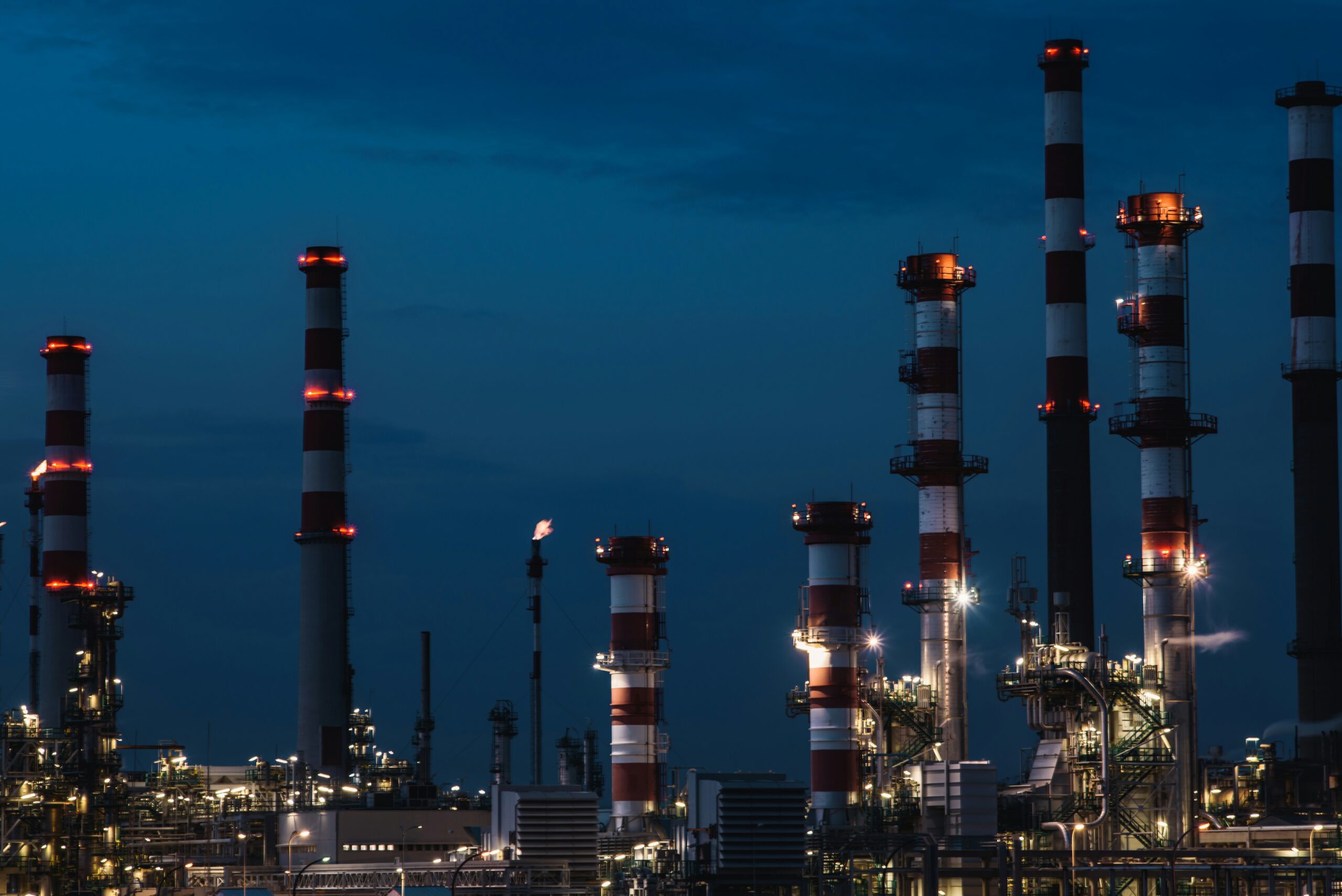
Amazon’s planned data-center campus in Pecos County, Texas, is linked to an on-site power project permitted to emit as much as 33.2 million tons of greenhouse gases annually, according to a Texas environmental filing. The number is a regulatory ceiling, not a forecast of actual emissions, but it shows the potential climate scale of the infrastructure being assembled to meet artificial-intelligence demand.
The Texas Commission on Environmental Quality’s plain-language summary for Permit No. 181033 identifies GW Ranch Energy Center as a proposed electric-generating facility near Fort Stockton. The filing lists maximum greenhouse-gas emissions of 33,212,284.72 tons per year. Amazon confirmed to TechCrunch that it is investing in the GW Ranch project and said the campus would combine on-site generation with power from the electric grid.
A permit built for extraordinary energy demand
Data centers can require large, continuous power supplies, and operators increasingly are exploring generation located beside or behind the meter from their campuses. That approach can shorten the wait for grid connections and give operators more control over reliability. It can also concentrate the environmental consequences of digital infrastructure at a single industrial site.
The state permit summary describes a natural-gas-fired facility. Its emissions limits cover greenhouse gases as well as conventional pollutants. The filing does not establish how often the plant would operate at maximum capacity, and a permitted ceiling should not be treated as a measurement of future annual output.
Even with that distinction, the scale matters. The New York Times reported that the proposed campus could become one of the largest sources of climate pollution in the United States if the plant operates near its permitted limit. That possibility reframes the infrastructure race around AI: computing capacity is being built not only through chips and servers, but through power assets whose operating lives may extend for decades.
Amazon’s climate commitments meet the AI build-out
Amazon has set corporate climate goals and has become a major buyer of renewable energy. Yet the rapid expansion of cloud and AI capacity is increasing electricity demand faster than many markets can add clean, firm generation and transmission. The GW Ranch plan illustrates the tension between matching long-term climate commitments and securing near-term power for growth.
Company accounting also may not tell the entire strategic story. Executives, investors and customers increasingly need to understand whether emissions sit on a technology company’s own books, with a utility or with a dedicated power supplier. Contract structure can change reported ownership without changing the physical carbon released to serve a campus.
What business leaders should watch
The immediate questions are operational: the final generation mix, expected utilization, construction schedule and the amount of electricity Amazon will take from the grid. The Texas Tribune has documented a broader wave of proposed power projects tied to data-center development in the Permian Basin, where gas supply is abundant and grid constraints remain a concern.
For corporate buyers of AI and cloud services, the project raises a procurement issue as well as a climate one. Sustainability teams may need more granular disclosures about where workloads run and how those facilities are powered. Boards should expect the cost, reliability and carbon intensity of computing to become linked decisions rather than separate reporting categories.
The permit does not mean 33.2 million tons will be emitted. It does mean the public record allows an unusually large carbon footprint. As AI infrastructure expands, that gap between permitted capacity, actual operations and corporate climate claims will be one of the most consequential numbers to track.