Honor said Nov. 24, 2026, that its Magic9 Pro Max will reach Malaysian stores Dec. 4, following a preorder period ending Dec. 3. The dated rollout gives creative teams a point to examine a mobile capture system marketed around a cinema-industry partnership.
The company lists a Malaysian price of RM5,999 and describes ARRI Cinema Mode recording at up to 4K at 60 frames per second. Its announcement cautions that video features depend on mode and market and may require a software update. Accessories are sold separately. Those qualifications belong alongside the specifications.
Separate branding from evidence
ARRI’s Sept. 28 announcement provides the earlier product context. It describes selected elements of its image science in the device and ARRI branding on both the phone and packaging, including a miniaturized logo beside the cameras. The partner links the product to its expansion into content creation alongside motion pictures and live entertainment. That is a stated brand and business strategy, not an independent comparison with a cinema camera. For commissioning teams, a recognizable mark identifies the collaboration; it does not establish performance on a particular assignment.
Identify the color pipeline
ARRI’s technical guidance distinguishes LogC3 from LogC4 rather than treating the names as interchangeable. It explains that Log C material needs tone mapping and conversion to the target color space for display. A flat-looking file is therefore not, by itself, evidence that the capture has failed or that the finished image is ready.
The same page describes a specific route for developing older ARRI camera footage into LogC4 through its software development kit. It says that route requires ARRIRAW and is unavailable for Apple ProRes footage. This is camera-format guidance, not confirmation that a phone’s APV files can follow that path. Compatibility needs its own evidence.
Prepare the editing handoff
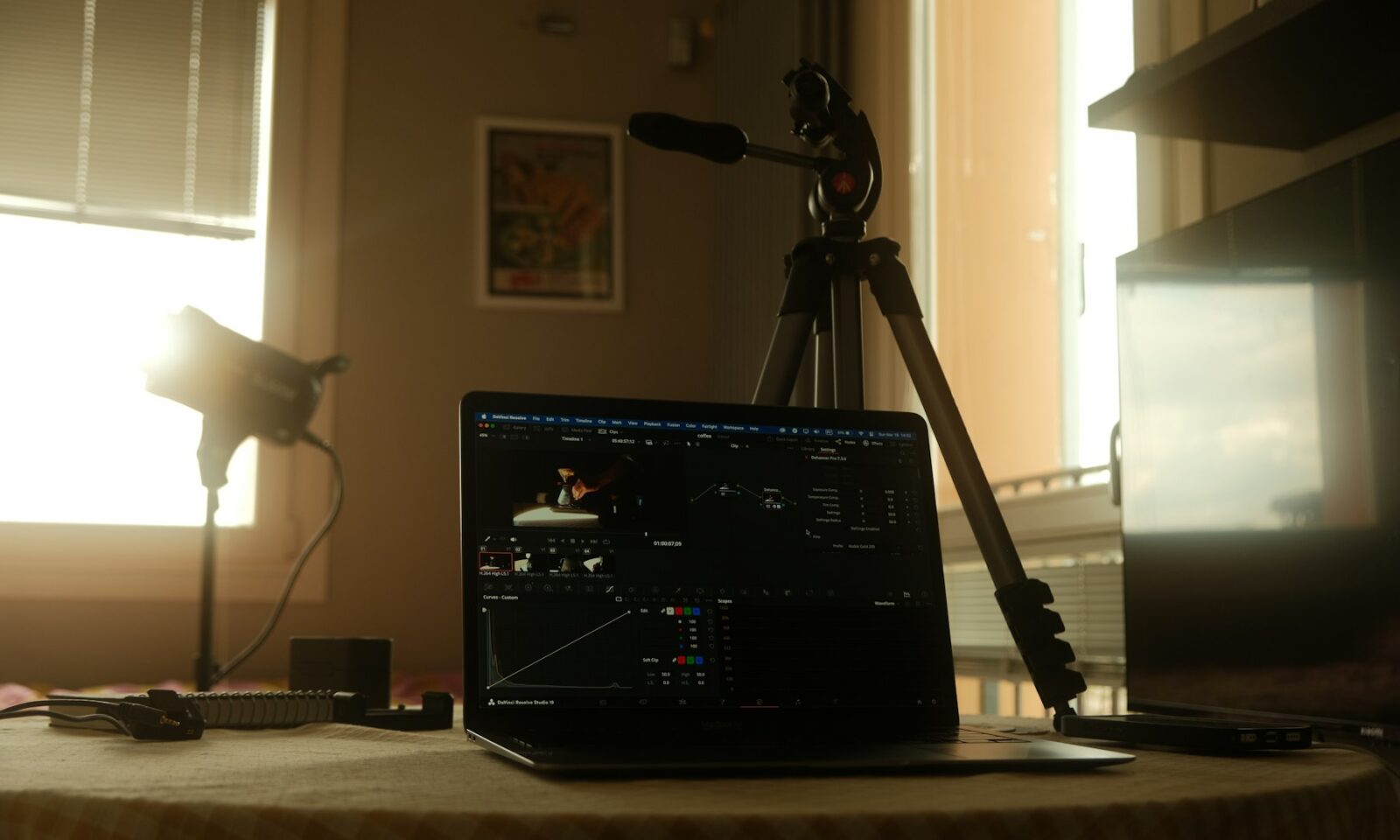
Adobe’s color-management documentation supplies another practical distinction. Premiere supports ARRI LogC3/Wide Gamut 3 as an input color space, but Adobe warns that QuickTime, MXF and MP4 clips may lack metadata needed for correct automatic assignment. It also says transcoded camera-raw media can require manual tagging. A supported color-space name does not remove that identification task.
Adobe further warns that changing a sequence’s working color space after effects and adjustments have been applied can alter their appearance and require rework. The useful preparation question is consequently about the full handoff: which recorded files, color tags, project settings and delivery output will be used? That is a workflow check ahead of production, not a claim that this phone has passed it.