Lenovo’s board is scheduled to consider results for the six months ended Sept. 30 at a Nov. 19, 2026, meeting, according to Hong Kong Exchanges and Clearing’s calendar. For enterprise technology buyers, the reporting cycle offers a chance to assess the scale behind the company’s infrastructure and services expansion.
Historical revenue mix
In its Aug. 13 first-quarter report, Lenovo said group revenue reached $26.9 billion, up 43% from a year earlier. Its Infrastructure Solutions Group reported $8.5 billion in revenue, a 98% increase. The figures are historical company disclosures, not projections for the coming results.
The Solutions and Services Group reported $2.9 billion in revenue, up 28%, with a 24.2% operating margin. Managed services and projects and solutions together represented more than 62% of that division’s revenue. Those measures provide a starting point for examining whether infrastructure sales and supporting services continue to expand together; they do not establish the outcome of the next reporting period.
Capacity is not operating readiness
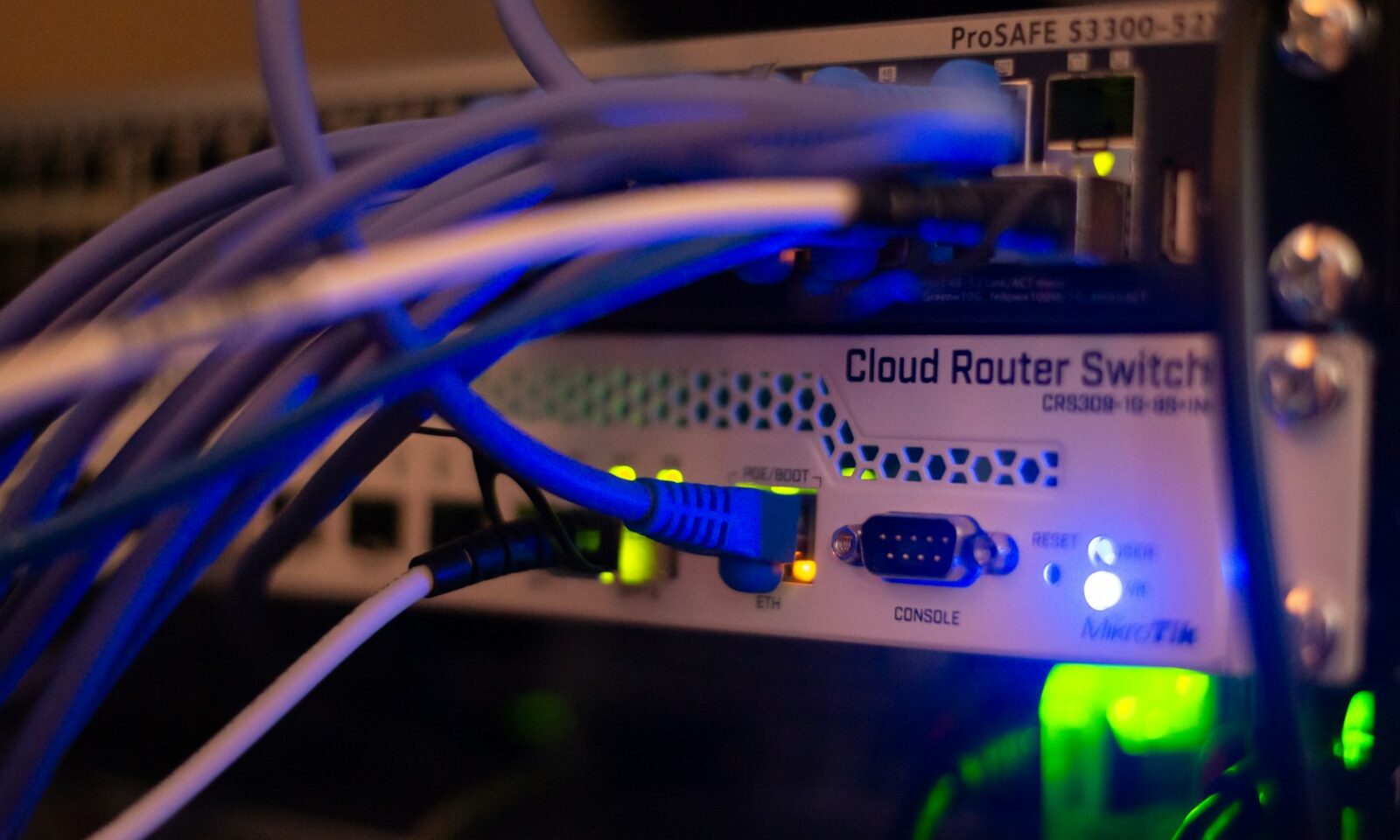
Lenovo’s Nov. 10 infrastructure announcement described new ThinkSystem servers, storage and interconnect options alongside expanded services. The company said its offering includes GPU deployment, configuration and optimization, with support for several enterprise AI software environments. It also said it can facilitate access to Digital Realty colocation facilities.
The operational question is how those pieces fit a customer’s available space, power, cooling and software requirements. A product announcement does not demonstrate that an individual installation is ready to run. Results commentary could help buyers distinguish equipment demand from the work of bringing capacity into operation. This preview does not assume Lenovo will disclose particular customer deployments or address every implementation issue.
Procurement conditions shape the plan
The company’s Sept. 30 AI Express announcement described three validated configurations sized for different AI workloads. Lenovo said availability, eligibility and ordering processes vary by region. Its advertised shipping periods apply to eligible configurations and selected parts in qualifying markets, not every order.
The timing begins after order validation, payment or credit clearance, end-user certification and applicable due-diligence and export approvals. That is an order-to-shipment measure, not a promise that a production system will be deployed within the same period. For procurement teams, the distinction is consequential: the delivery schedule and the steps required to accept and operate equipment belong in separate parts of an implementation plan.
Lenovo also said customers can add enterprise AI software from Red Hat or Nvidia. Its program includes services for evaluating use cases, testing concepts and optimizing GPU environments, extending the procurement discussion beyond hardware selection.