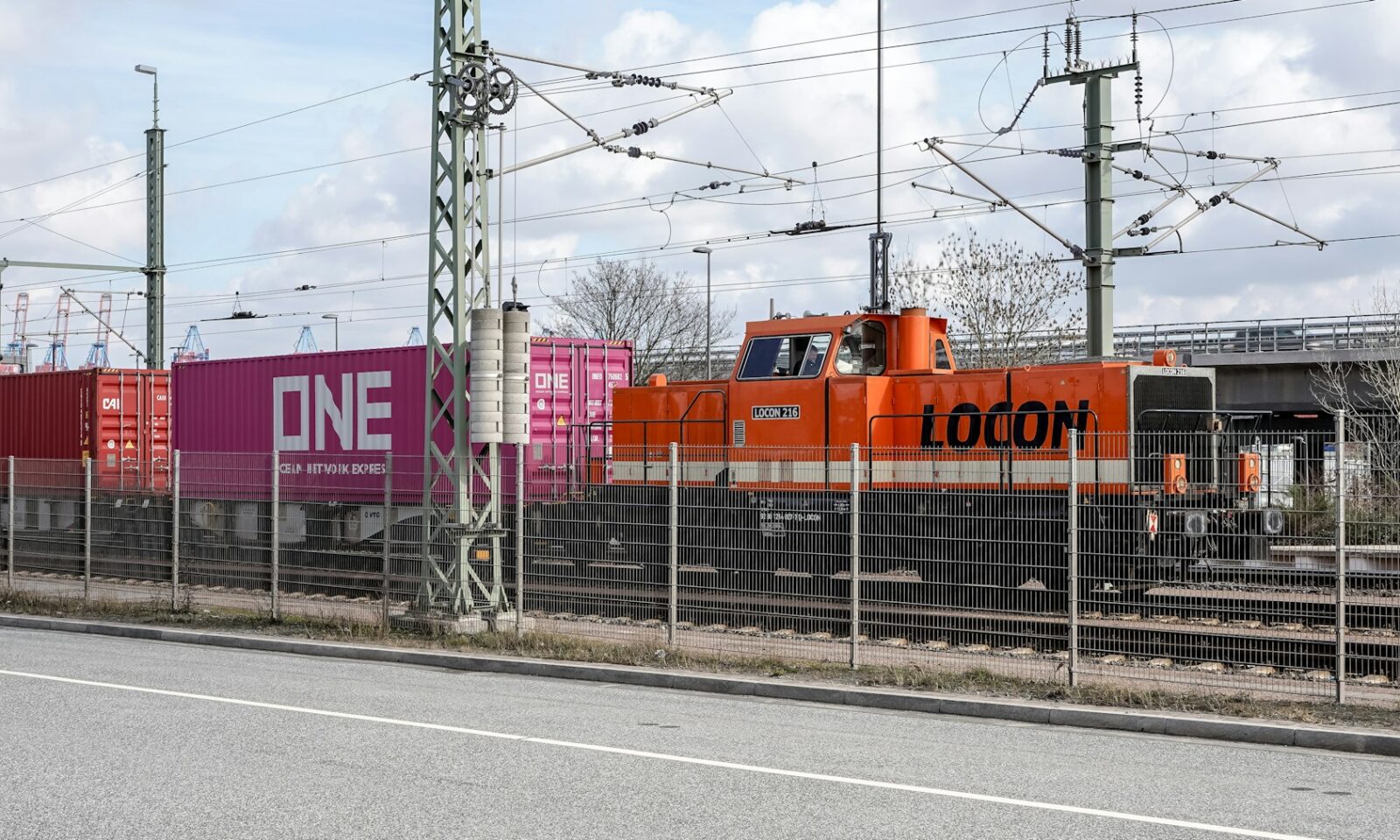
Canadian National Railway reported Oct. 30, 2026, that third-quarter revenue rose 15% to C$4.77 billion as freight volumes increased, while fuel costs and a technology impairment limited the improvement in reported profit.
Rapid News Brief — Net income reached C$1.21 billion, up 6% from a year earlier. Diluted earnings rose 9% to C$2 a share; adjusted diluted earnings increased 18% to C$2.16. Those are distinct reported and non-GAAP measures, not competing accounts of the same result.
Freight growth varies by market
Revenue ton miles, which incorporate both shipment weight and distance, increased 4%. The revenue increase therefore should not be read as a 15% increase in the physical volume of goods transported.
Investing.com reported that grain and fertilizer revenue rose 19%, petroleum and chemicals increased 17%, and automotive revenue climbed 31%. The combination of volumes and revenue shows why customers and operators need to distinguish traffic growth from pricing and freight mix.
CN’s results release also showed that growth was uneven: intermodal revenue rose 9% even as its revenue ton miles fell 3%. Grain and fertilizer revenue ton miles increased 12%.
Reported costs differ from adjusted results
Operating expenses consumed 63.7% of revenue, compared with 61.4% a year earlier. A higher operating ratio leaves a smaller share of revenue as operating profit. On an adjusted basis, however, the ratio improved to 61% from 61.4%.
The adjustments excluded C$118 million in asset impairments and C$14 million in rail-consolidation advisory costs. Investing.com linked the impairment to discontinued development of dispatching and back-office technology components. It was not a charge for the entire railway’s technology operations.
Fuel expense increased to C$662 million from C$418 million. CN nevertheless reported a 2% improvement in fuel efficiency, illustrating the difference between using less fuel per unit of work and paying less overall.
CN maintained its forecast for mid-to-high single-digit adjusted earnings-per-share growth in 2026, saying results were tracking toward the upper end. It also retained its approximately C$2.8 billion capital-program plan, net of customer reimbursements. Both are management expectations rather than completed full-year outcomes.