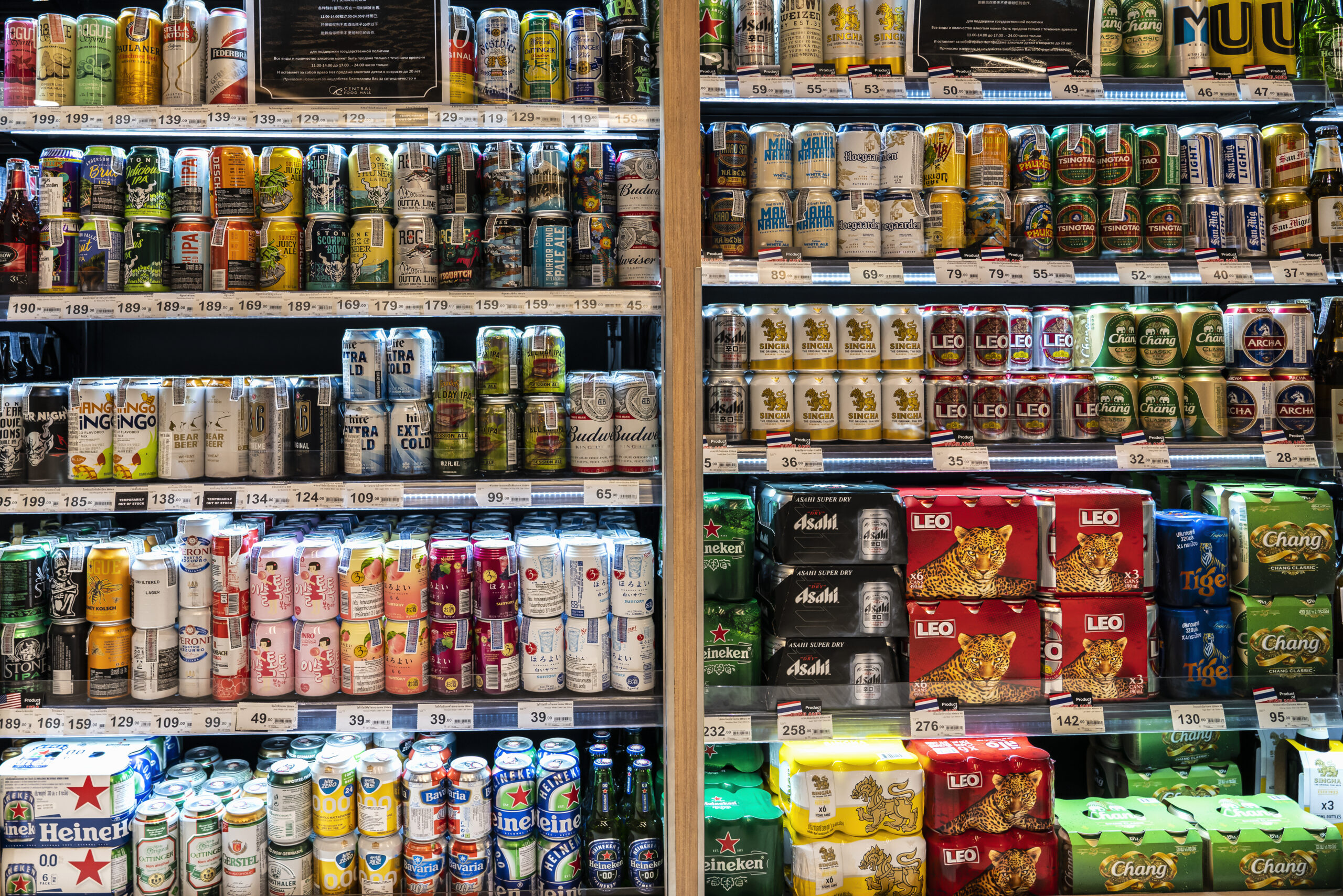
The beverage industry has always been driven by visual identity. From the iconic shape of a bottle to the colors on a can, consumers often make purchasing decisions within seconds based on what they see.
As the marketplace becomes increasingly crowded with craft beverages, functional drinks, premium spirits, wellness-focused products, and direct-to-consumer brands, design has become one of the most powerful tools for differentiation.
In 2026, successful beverage brands will compete not only through flavor, ingredients, and innovation—but through storytelling, packaging experiences, and memorable visual identities.
For Marketers and Creative leaders, understanding emerging design trends is critical. The strongest brands will not simply follow visual trends. They will understand the cultural shifts behind them and use design strategically to build recognition, loyalty, and emotional connection.
Here are the top creative and graphic design trends shaping the beverage industry in 2026.
1. Premium Minimalism: Less Design, More Confidence
One of the strongest trends in beverage branding is the continued movement toward refined simplicity.
Consumers are increasingly drawn to products that communicate quality, authenticity, and confidence. As shelves become visually crowded, many brands are choosing to stand apart by reducing visual noise.
Premium minimalism is influencing:
- Beverage labels
- Bottle design
- Packaging systems
- Digital advertising
- Brand photography
- Retail displays
This approach often includes:
- Clean typography
- Restrained color palettes
- Strong negative space
- Simplified graphics
- High-quality materials
- Thoughtful packaging details
However, minimalism requires strategic discipline. Removing elements is not the same as creating sophistication. Successful minimalist brands understand that every design decision must have purpose. A premium beverage brand does not need to shout. It needs to communicate confidence.
2. Storytelling Through Packaging
In 2026, packaging will continue evolving from a container into a communication platform.
Consumers increasingly want to know the story behind what they purchase:
- Where ingredients come from
- Who created the product
- What values the company represents
- Why the product exists
Packaging design is becoming a way to communicate brand heritage, craftsmanship, and purpose.
Expect to see more brands using:
- Illustrated storytelling
- Founder narratives
- Regional influences
- Ingredient-focused visuals
- Historical references
- Unique label structures
For beverage companies, the package is often the first interaction between a consumer and the brand. A great package creates curiosity before the first sip.
3. Bold Typography and Distinctive Brand Signatures
As more beverage categories become saturated, typography is becoming a major differentiator. Many brands are moving away from generic label systems and creating stronger typographic personalities.
In 2026, expect to see:
- Custom lettering
- Oversized type treatments
- Handcrafted typography
- Expressive fonts
- Unexpected layouts
- Typography-driven identities
For emerging beverage brands, distinctive typography can become a recognizable asset. Think about how quickly consumers identify certain brands by their lettering alone. Typography has the ability to communicate personality, positioning, and emotional tone instantly.
A functional wellness beverage may use clean, scientific typography. A craft spirit may use heritage-inspired lettering. A youthful energy drink may embrace bold, energetic type.
The best brands use typography as a strategic tool rather than decoration.
4. Authenticity Over Artificial Perfection
The beverage industry is experiencing a shift away from overly polished marketing imagery toward more authentic storytelling. Consumers are increasingly skeptical of brands that feel manufactured or disconnected.
In 2026, beverage brands will continue embracing:
- Real environments
- Behind-the-scenes production
- Human-centered photography
- Founder stories
- Community-driven content
- Imperfect, authentic moments
This trend reflects a larger cultural movement toward transparency. A craft coffee company showing the farmers behind its beans creates a different emotional response than a generic lifestyle image. A brewery sharing its process creates connection beyond the product.
Authenticity builds trust—and trust drives loyalty.
5. Sustainable Design Becomes a Brand Expectation
Sustainability is no longer simply a corporate responsibility initiative. It has become a critical part of brand perception Packaging choices communicate values, and consumers increasingly evaluate beverage companies based on environmental responsibility.
Design trends include:
- Recyclable packaging systems
- Reduced materials
- Eco-conscious labels
- Natural color palettes
- Transparent sustainability messaging
- Reusable container concepts
However, sustainability must go beyond visual cues. Consumers are becoming more aware of “greenwashing”—when brands use environmentally friendly imagery without meaningful action behind it.
The strongest beverage brands will ensure their design reflects genuine operational commitments.
6. The Rise of Functional and Wellness-Focused Design
The growth of functional beverages continues to reshape beverage branding. Products positioned around hydration, energy, immunity, gut health, relaxation, and performance are creating new design opportunities.
Unlike traditional beverage categories, functional products must communicate both emotional appeal and product benefits.
Design systems are increasingly incorporating:
- Clear benefit statements
- Ingredient-focused visuals
- Scientific credibility
- Clean information hierarchy
- Modern wellness aesthetics
The challenge is balancing education with simplicity. Consumers want to understand what makes a product valuable, but they do not want packaging that feels overwhelming. The best brands make complex benefits feel approachable.
7. Nostalgia Meets Modern Design
Retro-inspired branding continues to influence beverage design, but 2026 will see more sophisticated interpretations of nostalgia.
Brands are borrowing inspiration from:
- Vintage packaging
- Classic typography
- Historical advertising styles
- Old-world craftsmanship
- Analog illustration techniques
However, successful brands are not simply recreating the past. They are combining nostalgic elements with modern strategy to create something familiar yet fresh. This approach works particularly well for beverage brands because nostalgia often connects directly to memory, comfort, and tradition. A familiar visual language can create immediate emotional recognition.
8. Interactive and Digital-First Brand Experiences
The beverage customer journey now extends far beyond the physical shelf. Brands must consider how their identity performs across:
- E-commerce platforms
- Social media
- Digital advertising
- Mobile experiences
- Influencer partnerships
- Online communities
In 2026, beverage brands will increasingly invest in motion design, interactive content, and digital storytelling.
This includes:
- Animated packaging elements
- Social-first graphics
- QR-driven experiences
- Augmented reality concepts
- Interactive product education
A successful beverage brand must work both in someone’s hand and on someone’s screen.
9. AI-Assisted Creativity With Human Direction
Artificial intelligence will continue influencing beverage marketing and creative workflows.
Brands are using AI tools for:
- Concept development
- Market research
- Creative exploration
- Content variations
- Production efficiency
However, the most successful brands will recognize the difference between generating content and creating meaningful brand experiences. AI can help accelerate creative processes, but it cannot replace strategic thinking, cultural understanding, or emotional storytelling.
Experienced designers and creative teams remain essential for:
- Brand differentiation
- Visual consistency
- Creative judgment
- Consumer connection
The future of beverage branding will combine technology with human creativity.
The Future of Beverage Design: Experience Over Appearance
The beverage industry is entering an era where design is no longer simply about making products look attractive.
Design influences:
- Brand recognition
- Consumer trust
- Purchase decisions
- Customer loyalty
- Market positioning
The brands that succeed in 2026 will understand that every visual touchpoint tells a story. A label is a first impression. A package is an experience. A brand identity is a promise.
The Bottom Line
The beverage brands leading the market in 2026 will be those that use design strategically in addition to aesthetically. Premium minimalism, authentic storytelling, sustainable packaging, bold typography, wellness-focused systems, and digital experiences will continue shaping the industry.
But trends alone do not create successful brands.
The strongest beverage companies will combine creativity with strategy, using design to communicate their values, connect with customers, and build lasting emotional relationships.
In a crowded marketplace where consumers have endless choices, great design does more than capture attention. It creates preference. It builds trust. And ultimately, it turns a beverage into a brand.