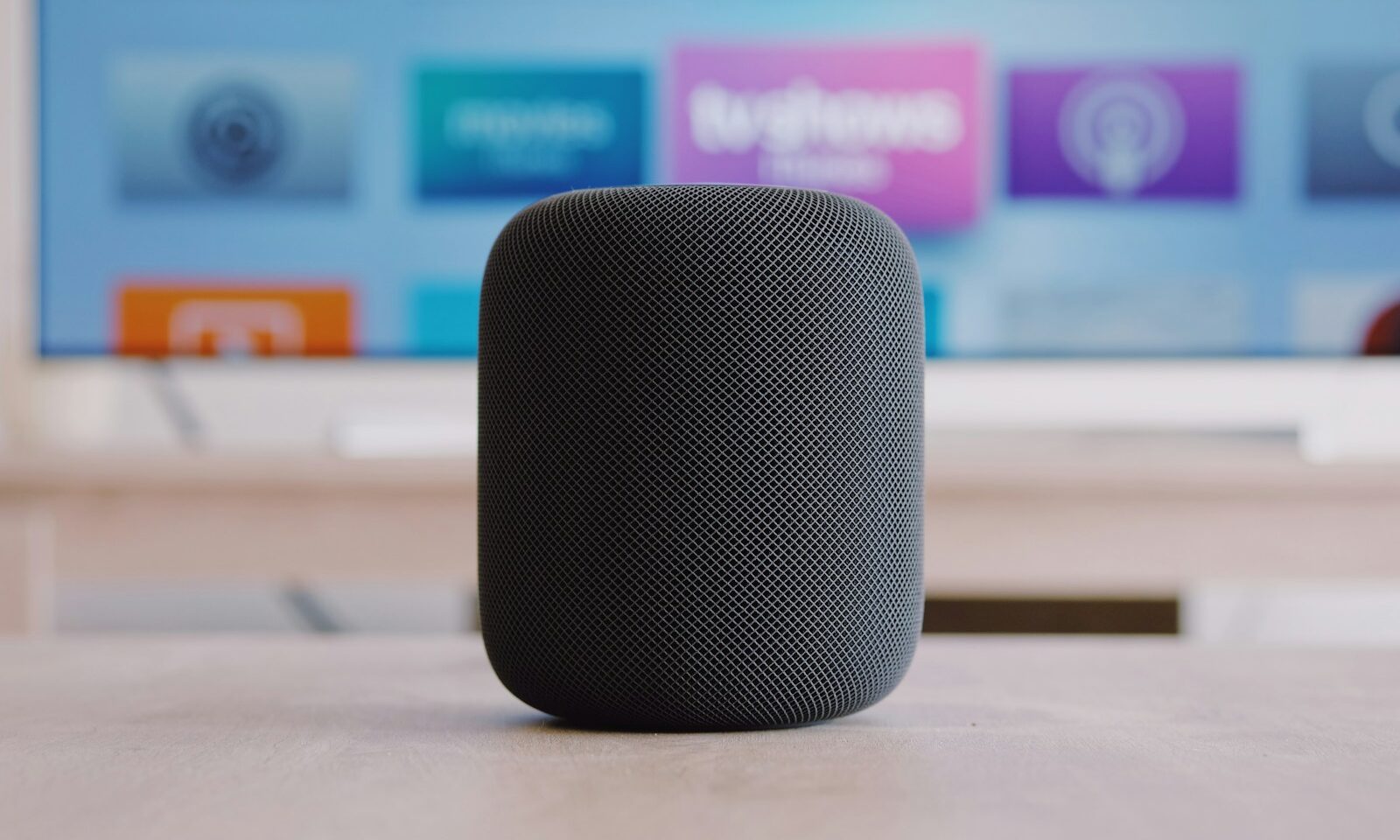
Apple announced HomeView on Oct. 13, 2026, with store availability beginning Nov. 13, putting a personalized smart-home display on its product roadmap. For experience designers, the confirmed launch creates a specific question: how can one household screen serve several people without making personal information part of the shared experience?
This preview examines the announced product and questions to assess after launch. NextNow has not tested HomeView, and Apple’s privacy and usability descriptions remain company claims.
A household display with personal context
In its announcement, Apple describes a seven-inch display offered in tabletop and wall-mounted versions. It says HomeView can recognize up to six people and give each a personalized home screen. The product combines entertainment, communication and smart-home controls.
Apple says personal-context features require a compatible Apple Intelligence-enabled iPhone or iPad. Its description of personal content adds another condition: the enrolled user must be recognized, and the paired device must be present and recently unlocked. Those requirements should not be confused with an unconditional promise that any person approaching the display can access personalized information.
TechCrunch independently reported HomeView’s announcement.
The handoff between users matters
What to evaluate: A shared-display test should include two people approaching in sequence, not just one successful recognition. Reviewers could examine whether the transition is understandable and what happens when recognition is unavailable. A household member should not have to guess whether the screen is showing shared or personal content.
The important outcome is clarity about whose experience is active. A polished demonstration would not establish how every room arrangement, guest interaction or device state behaves. Those cases should be documented during testing rather than inferred from the announcement.
Location changes the interaction
Apple says the interface adjusts its detail according to a user’s distance. That creates a useful test for designers: compare a glance from across the room with a closer interaction, and assess whether the change preserves the meaning of the information presented.
A wall-mounted display and a tabletop display also invite different viewing positions. An evaluation could record readability, discoverability of controls and the steps needed to correct an unintended action. These are review criteria, not findings about a device that NextNow has not used.
Evaluate the experience after availability
Nov. 13 supplies the confirmed launch milestone. It does not establish adoption, customer satisfaction or a successful privacy outcome. The business value of a shared, personalized display should be assessed through observed interactions, including ordinary failures and correction paths, before product teams draw broader conclusions about household interfaces.