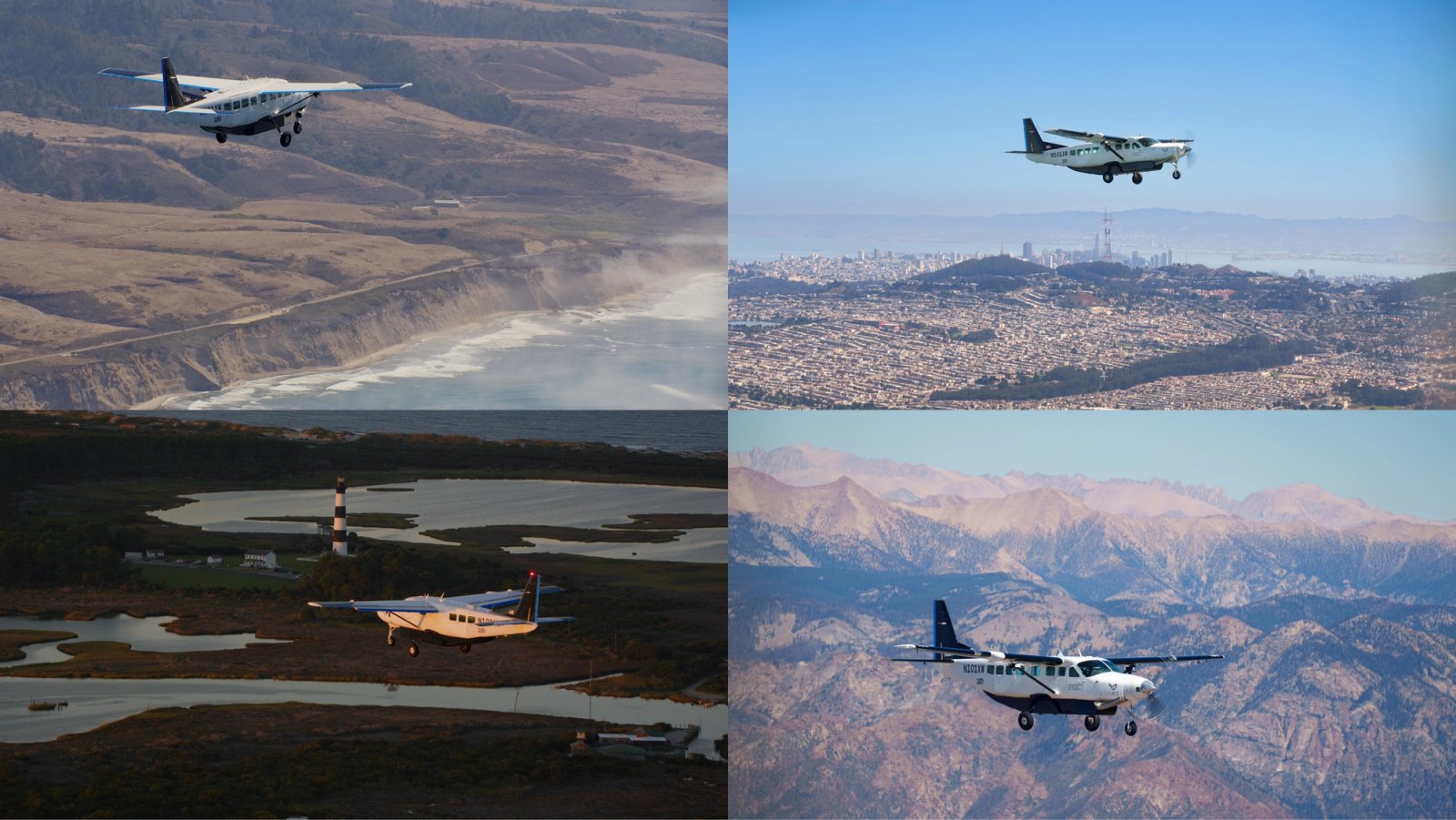
Joby Aviation said Friday, Sept. 18, that an aircraft using its autonomy technology completed a 3,199-mile flight across the United States without control inputs from the safety pilot aboard. The demonstration gives the electric-air-taxi company a credible second commercial lane in autonomous freight, emergency response and defense logistics.
The converted Cessna Caravan autonomously handled taxiing, takeoffs, navigation and landings while teams remotely supervised it from California and South Carolina, according to Joby’s announcement. TechCrunch independently reported the milestone and noted that a pilot remained on board for regulatory compliance but did not operate the aircraft.
Autonomy moves beyond the air-taxi pitch
Joby is best known for developing electric vertical-takeoff-and-landing aircraft for urban passenger service. This flight tested a different proposition: an autonomy system that can be installed on conventional aircraft already certified for flight.
That distinction matters commercially. Retrofitting existing airframes could create a nearer-term route into cargo and government operations while Joby continues the lengthy certification process for its electric passenger aircraft. The company said the Cessna flew through varied weather and airport environments, including Phoenix Deer Valley, a busy general aviation airport.
Defense and logistics form a second market
Joby said the system has accumulated more than 800 automated flight hours across more than 400 flights. The company acquired the underlying autonomy stack when it bought Xwing in 2024 and has since demonstrated it in military exercises.
The business case extends from defense logistics to medical transport and disaster response, where autonomous aircraft could move supplies over long distances without putting a flight crew in hazardous conditions. Joby also plans to market the technology for commercial freight, giving it potential revenue beyond short urban passenger trips.
The milestone does not remove the regulatory work
The transcontinental flight demonstrated technical capability, not authorization for routine pilotless commercial service. A safety pilot remained aboard, and expanded operations will still depend on Federal Aviation Administration approvals, customer validation and a workable cost structure.
Even with those limits, the flight broadens how investors and operators can evaluate Joby. The company is no longer presenting a single bet on air taxis. It is positioning its aircraft systems and autonomy software as a platform for multiple aviation markets, with government and logistics customers potentially arriving before mass passenger adoption.