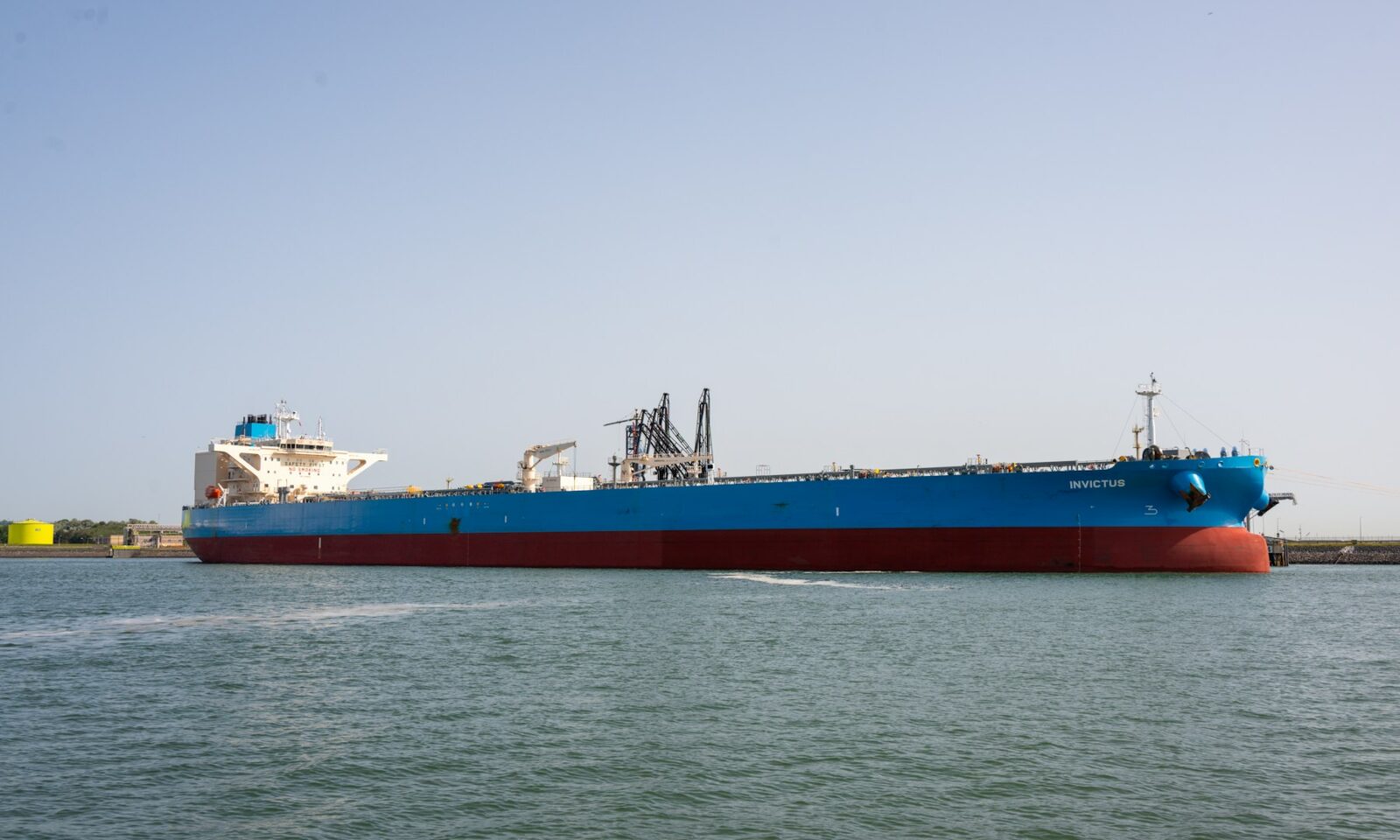
Rapid News Brief: U.S. Coast Guard and FBI cyber teams boarded two foreign-flagged oil tankers in the Gulf of Mexico on Aug. 21 and Aug. 24 after indications that the vessels’ computer networks had been compromised, federal officials disclosed this week.
The agencies said there were no reports of operational disruption, vessel instability, danger to crews or environmental damage. The incidents still expose a consequential risk for shipping operators: information-technology networks on modern vessels can connect with systems used for navigation, propulsion and cargo operations.
Federal teams investigated two network breaches
The Associated Press reported that investigators responded to reported breaches aboard two U.S.-bound tankers and assessed their information and operational technology. The joint Coast Guard-FBI statement did not identify the vessels or attribute the intrusions to a country or group.
CBS News identified one vessel as the VL Prosperity, a Liberian-flagged crude-oil tanker managed by a South Korean company. Rear Adm. Amy Grable, commander of U.S. Coast Guard Cyber Command, told CBS that investigators found evidence of malicious cyber activity but no evidence that the ship had become unsafe to navigate.
Unverified claims remain separate from confirmed facts
Iranian state media claimed attackers interfered with propulsion, navigation, cargo and communications systems on the VL Prosperity. U.S. authorities have not publicly verified those details or blamed Iran. TechCrunch’s follow-up confirmed the two boardings and the absence of reported physical or environmental impacts.
The operational lesson reaches beyond shipping
The incident shows why operators cannot treat shipboard IT and industrial controls as separate security domains. Connected systems can make maintenance and logistics more efficient, but they can also allow an intrusion that begins in a business network to threaten equipment used for safe movement and cargo handling.
For maritime companies and port partners, the immediate priorities are network segmentation, controlled remote access, tested manual procedures and rapid reporting to authorities. The confirmed facts do not show that attackers took control of either tanker. They do show that federal cyber teams considered the network compromises serious enough to board both vessels at sea.